

























Bilateral Total Hip Replacement with Direct Anterior Approach for AVN Patients
Introduction
Living with Avascular Necrosis (AVN) can be debilitating, affecting one's ability to move freely and causing constant pain. Bilateral Total Hip Replacement (THR) using the Direct Anterior Approach (DAA) is one of the surgical options considered for patients with advanced AVN affecting both hips. This article provides an overview of the condition and the surgical approach used in such cases.
Understanding Avascular Necrosis (AVN)
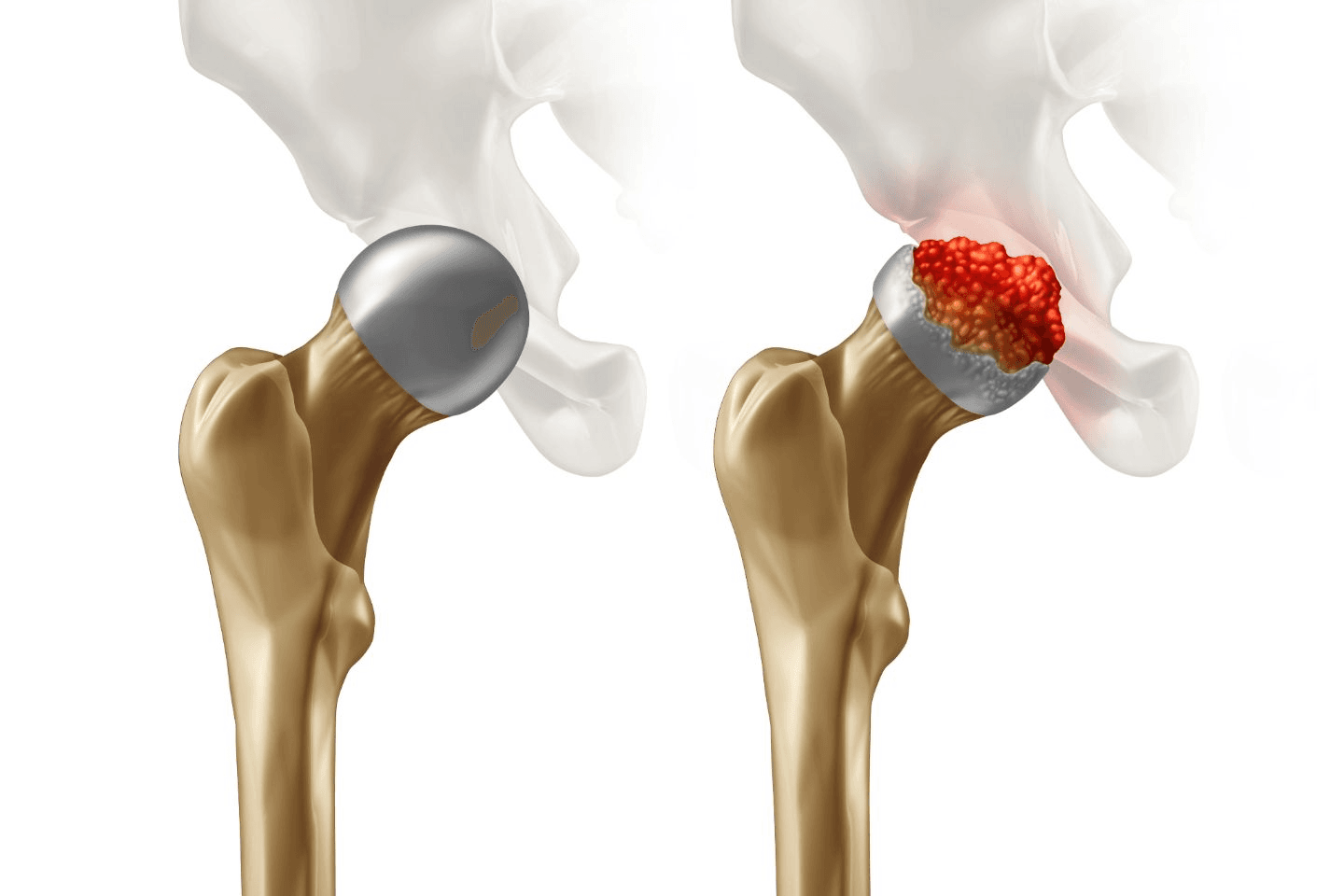
Avascular necrosis, also known as osteonecrosis, occurs when blood supply to the bone is lost, leading to bone tissue death. This condition commonly affects the hip joint, leading to severe pain, limited mobility, and, in advanced stages, joint collapse. AVN can be caused by various factors, including trauma, corticosteroid use, excessive alcohol consumption, or certain medical conditions.
Challenges of AVN
Living with AVN poses significant challenges, impacting both physical and emotional well-being. Simple tasks like walking or climbing stairs become arduous, and the constant pain can disrupt sleep and diminish overall quality of life. Traditional treatment options such as medication, physical therapy, or joint-preserving surgeries may offer temporary relief, but for many patients, the progressive nature of AVN necessitates more definitive intervention.
The Role of Bilateral Total Hip Replacement
Bilateral Total Hip Replacement involves replacing both hip joints when they are affected by advanced disease. It is one of the surgical options considered for patients with advanced AVN affecting both hips. By replacing damaged joint surfaces with prosthetic components, this procedure aims to restore function, alleviate pain, and improve overall mobility. However, the success of hip replacement surgery often depends on the surgical approach utilized.
The Advantages of the Direct Anterior Approach (DAA)
The Direct Anterior Approach (DAA) has gained popularity in recent years due to its potential benefits. DAA involves accessing the hip joint through a natural interval between muscles, minimizing tissue damage and reducing the risk of dislocation. This less invasive technique offers several advantages for patients undergoing bilateral THR for AVN:
- Faster Recovery: The DAA typically results in shorter hospital stays and faster recovery times. Patients often experience less pain and can return to daily activities sooner, thereby promoting a quicker rehabilitation process.
- Improved Stability: By preserving surrounding muscles and soft tissues, the DAA helps maintain hip stability, reducing the risk of postoperative dislocation. This is particularly beneficial for individuals undergoing bilateral THR, as stability in both hips is crucial for optimal function and mobility.
- Enhanced Range of Motion: The preservation of muscles and tendons during the DAA allows for a more anatomically accurate placement of the prosthetic components, which can contribute to improved range of motion and joint function following surgery.
- Reduced Risk of Complications: All surgical approaches carry potential risks. These risks are assessed by the surgical team and managed as part of routine surgical care.
Patient Experience
For individuals considering bilateral Total Hip Replacement for AVN, the decision to undergo surgery is an important one that is discussed in detail with the healthcare team. Patients who have undergone the DAA procedure report a range of experiences during recovery, including changes in pain levels and mobility over time. Recovery is influenced by multiple factors, including overall health, rehabilitation, and the surgical approach used. Patients are supported through structured follow-up and physiotherapy during the recovery process.
Conclusion
Bilateral Total Hip Replacement using the Direct Anterior Approach is one of the surgical options, an advancement in the treatment of AVN, offering patients an improved chance to regain mobility, and alleviate pain. The choice of surgical technique depends on individual patient factors, clinical evaluation, and the surgeon's recommendation. With appropriate planning, treatment, and rehabilitation, patients are guided through recovery based on their condition and overall health.
The blog has been authored by Dr. Supreet Bajwa, Orthopaedic Hip & Knee Specialist. The content is for informational purposes only and should not be taken as professional medical advice.
Disclaimer - This blog represents the views and opinions of the doctor and does not necessarily represent the views or opinions of Meril. The blog has been made available for informational and educational purposes only. It is not intended to be a substitute for professional medical advice, diagnosis, or treatment. Always seek the advice of your physician or other qualified health provider with any questions you may have regarding a medical condition.