Understanding the Benefits of Drug-Coated Balloons in Angioplasty
Introduction
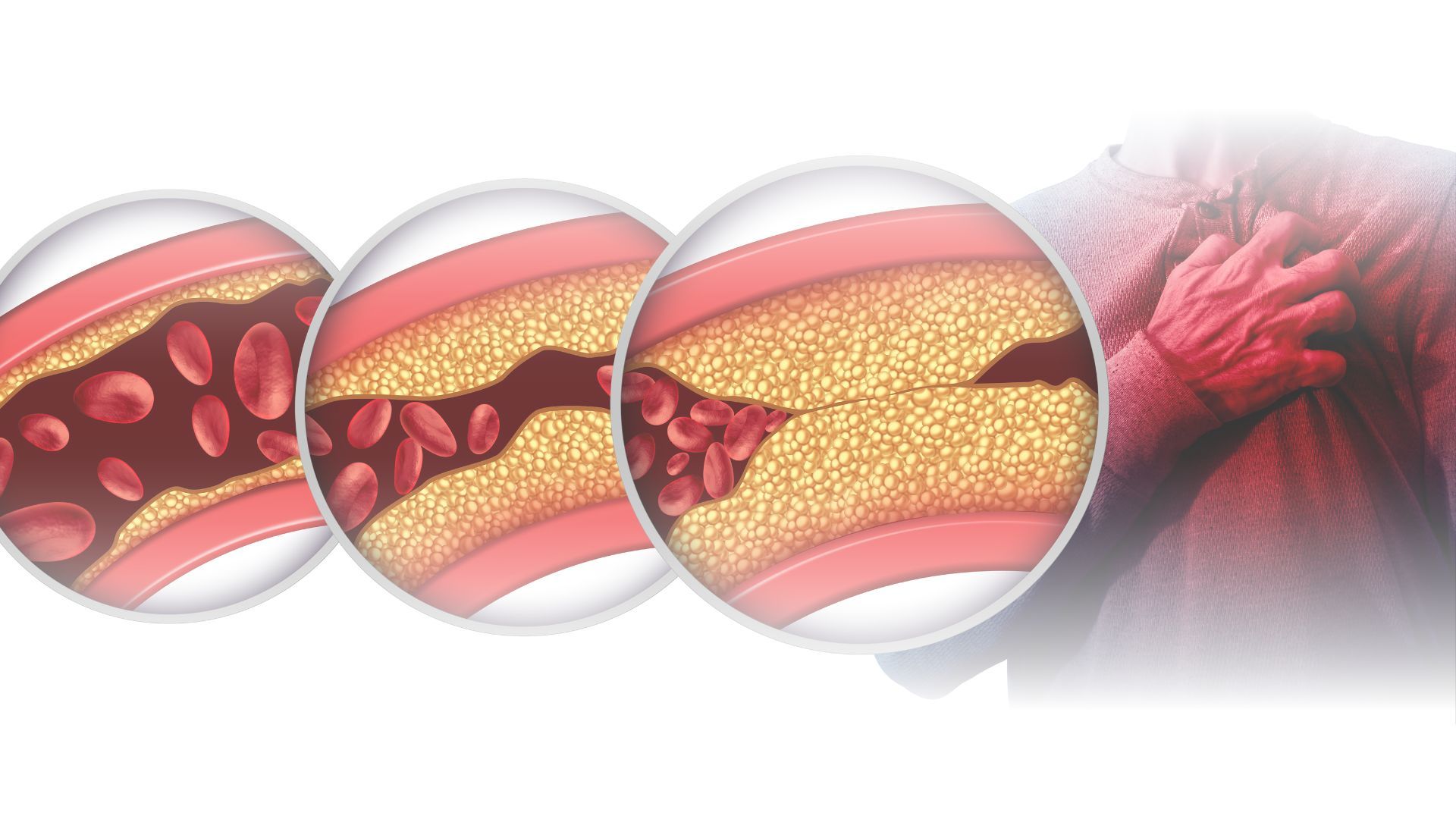
When treating heart blockages, angioplasty is one of the most common procedures doctors recommend. It helps open narrowed arteries and improves blood flow to the heart. Over the years, medical science has made big strides to make this treatment safer and more effective. One such advancement is the use of drug-coated balloons in angioplasty. In this blog, we will take a simple and clear look at what drug-coated balloons are, how they work, and why they are becoming popular in heart care.
What Is a Drug-Coated Balloon (DCB)?
A drug-coated balloon (DCB) is a small medical device that looks like a regular balloon used in angioplasty. However, there is one big difference, it is coated with a special medication. This medicine is released directly into the artery walls when the balloon is inflated.
The idea behind this is simple: along with opening the blocked artery, the balloon also delivers medicine to prevent the artery from narrowing again. This can be a great option for many people who need treatment for certain types of heart blockages.
How Do Drug-Coated Balloons Work?
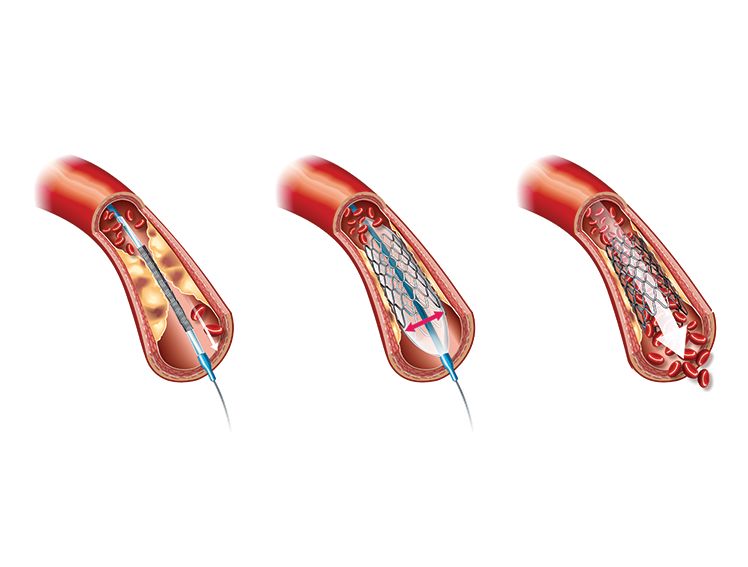
Here’s how a drug-coated balloon works during angioplasty: [1]
A guide catheter is inserted via radial (wrist) or femoral (leg) access.
A guidewire is advanced to the lesion.
The DCB is delivered over the wire and inflated at nominal pressure (6-12 atm) for 30-60 seconds.
The balloon compresses the plaque and transfers the drug to the vessel wall.
The balloon is then deflated and removed. Unlike stents, nothing is left behind in the artery.
This method helps keep the artery open and reduces the chance of future blockages.
When Are Drug-Coated Balloons Used in Angioplasty?
Drug-coated balloons are not used in all angioplasty procedures. They are mainly used in certain cases, like:
Small vessel disease, where the arteries are too narrow for stents.
In-stent restenosis occurs when a previously placed stent is blocked again.
Patients are at higher risk of complications from having a permanent implant.
People who cannot take long-term medications after a stent is placed. Ex: High Bleeding risk patients.
Doctors decide whether a drug-coated balloon is the right choice based on each patient’s condition.
Key Benefits of Drug-Coated Balloons
Let’s take a closer look at why drug-coated balloons are becoming a popular option.
1. No Permanent Implant
Unlike traditional angioplasty with stents, drug-coated balloons do not leave anything behind in the artery. This means the artery heals naturally over time without a foreign object in it.
2. Reduced Risk of Restenosis
The medicine on the balloon helps prevent the artery from becoming narrow again. This reduces the likelihood of requiring another procedure in the future.
3. Shorter Duration of Dual Antiplatelet Therapy (DAPT)
After angioplasty, patients often need to take blood-thinning medicines for several months. With drug-coated balloons, the treatment time may be shorter, especially if no stent is used. This is helpful for people who cannot take these medicines for long.
4. Better Outcomes in Small Vessel Disease
In very small arteries, placing a stent can be difficult. Drug-coated balloons work better in such cases because they deliver medicine without needing a stent.
5. Easier Future Interventions
If another treatment is needed later, it’s easier to perform when no stent is present. This gives doctors more options to manage future heart issues.
Recent Advances and Research
Drug-coated balloons are a growing area of research in heart care. Newer versions are being developed to improve how the medicine is delivered and how long it stays in the artery. Studies are showing promising results, especially in treating patients with diabetes and small blood vessels.
What Patients Should Know
If your doctor recommends a drug-coated balloon during angioplasty, it helps to know what that means for you. This approach is safe and has worked well for many people, but it may not be right for everyone. The decision usually depends on your heart condition, the size of your arteries, and any past treatments such as stents. After the procedure, it’s important to carefully follow your doctor’s instructions—especially about medicines—even if you may need them for a shorter time compared to stent procedures.
Lifestyle changes like eating healthy, staying active, avoiding tobacco, and managing stress are also essential for long-term heart health.
Mozec SEB by Meril Life Sciences
The Mozec SEB by Meril Life is a specialized drug-coated balloon catheter designed to treat narrowed or blocked coronary arteries during angioplasty procedures. This device features a semi-compliant balloon that offers flexibility and controlled expansion, making it suitable for addressing complex arterial lesions. Its design facilitates easy navigation through the blood vessels, ensuring precise delivery and effective results during the procedure.
Conclusion
Drug-coated balloons are a smart and gentle way to treat heart blockages without leaving anything behind in your body. They offer a simple yet powerful benefit: opening the artery and delivering medicine in one step. For many patients, especially those with small arteries or previous stents, it can be a life-changing option.