Can Young Adults Get Arthritis? What You Should Know
Introduction
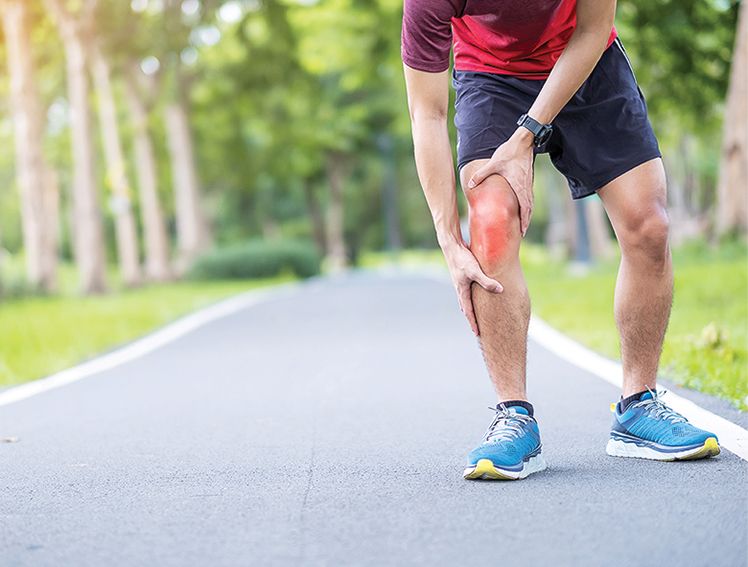
Most people think arthritis only affects older adults, but that is not the whole story. More and more young adults, even those in their 20s and 30s, are being diagnosed with arthritis, known as early-onset arthritis. This condition can be surprising and sometimes overwhelming for younger people who are usually active and healthy.
Recognising the symptoms and understanding what causes arthritis early in life can help you manage it better and may slow its progression.
Understanding Arthritis in Young Adults
Yes, young people can develop arthritis, and it is not a single kind. The two most common types that typically appear early are osteoarthritis and rheumatoid arthritis, and they are distinct from each other.
Osteoarthritis vs Rheumatoid Arthritis in Young Adults
Feature | Osteoarthritis | Rheumatoid Arthritis |
| When it starts | Often after an injury, it can begin in the 20s.[7] | Can start anytime, even in teenage years |
| Cause | Wear and tear of joints | Autoimmune disease |
| Symptoms | Stiffness, pain, and a grinding sensation. | Swelling, fatigue, warm joints |
| Progression | Gradual, affects specific joints | Can spread to multiple joints |
| More common in | Men and women equally | More common in women |
Early Signs You Shouldn't Ignore
Arthritis does not always appear suddenly; it can develop gradually. Many younger people shrug off the early signs, thinking it is just muscle soreness from exercise or a busy day. But unlike typical aches, arthritis pain tends to linger and can slowly start interfering with everyday activities.
Symptoms You Shouldn't Ignore
Arthritis can show up in subtle ways. Here are some signs to watch for:
Stiffness in the morning or after sitting for a long stretch
Pain when you climb stairs or lift everyday items
Swelling that does not go down after a few days
Hands feeling weaker or struggling to grip things
Knees are making popping or grinding noises
Ongoing tiredness that rest does not fix
A few less common, but vital signs:
Low-grade fever, especially in autoimmune types of arthritis
Less movement or flexibility in your hands or shoulders
Warmth or redness around the joints
What Can Cause Arthritis at a Young Age?
You do not need to be older to deal with arthritis. It can show up much earlier than most people expect. There are a few common reasons it might develop in your 20s or 30s:
Family History: If arthritis runs in your family, you are more likely to develop it too.
Past Injuries: Joint damage from sports injuries or accidents can come back later in life as arthritis.
Body Weight: Carrying extra weight puts stress on your joints, particularly your knees, hips, and lower back.
Autoimmune Conditions: Health issues like rheumatoid arthritis or lupus can cause your immune system to attack your joints mistakenly.
Repetitive Movements: Repeated motions, whether at work, in the gym, or during certain hobbies, can wear down joints over time.
Infections: Although rare, certain viral or bacterial infections can cause joint inflammation that may progress to arthritis.
Arthritis or Just Soreness? How to Tell the Difference
It is normal to feel sore after a workout or a long day. But arthritis pain is different.
Type of Pain | What It Feels Like |
| Arthritis pain | Ongoing, may come with swelling or stiffness |
| Muscle soreness | Short-term, gets better with rest |
| Injury pain | Sudden, sharp, and usually focused in one area |
| Arthritis fatigue | A constant feeling of low energy often associated with ongoing joint pain. |
Busting Common Myths About Arthritis
Myth: Only older adults get arthritis
Fact: Young adults can and do get arthritis often in their 20s or 30s.[1]
Myth: If you are active, you are safe
Fact: Even athletes can develop arthritis, especially after injuries
Myth: It is just workout soreness
Fact: Arthritis pain does not go away with rest and often gets worse over time
Living With Arthritis as a Young Adult
If you have been diagnosed with arthritis or are noticing the signs, it is not the end of the road. With a few lifestyle tweaks, many young people manage it well and continue doing what they love.
Tips for managing arthritis day to day:
Eat anti-inflammatory foods (like leafy greens, berries, and fish)[2]
Try gentle exercises, yoga, pilates, or swimming, which are the easier on the joints.[3]
Avoid doing the same joint-stressing movements too often.[5]
Maintain a healthy weight range to reduce pressure on your joints.[4]
Use ergonomic furniture at your workplace.[6]
Osteoarthritis vs. Rheumatoid Arthritis: What Sets Them Apart?
Understanding which type of arthritis you have is essential because each needs a different approach to treatment.
Osteoarthritis (OA)
Happens as joints gradually wear out over time
Commonly affects the knees, hips, and the spine
Pain tends to get worse with increased movement.
Rheumatoid Arthritis (RA)
Occurs when the immune system mistakenly attacks healthy joints
Often affects multiple joints at once, typically on both sides of the body
Comes with symptoms like swelling, fatigue, and sometimes mild fevers
Why Early Detection Matters
Identifying arthritis in its early stages allows you to take steps to slow its progression. The sooner you address it, the better your chances of staying active and preventing serious joint damage down the road.
Being proactive can help you:
Avoid long-term complications
Keep doing the things you love without pain
Make smart changes to protect your joints
Stay in control of your health and lifestyle
Tips for Young Adults Dealing with Joint Discomfort
If your joints have been bothering you recently, here are some simple steps to keep in mind:
Don't ignore pain that persists.
Watch for any swelling or stiffness, even if it feels minor.
Keep track of when and where the pain occurs.
Change your workouts if certain moves cause discomfort
And above all, if something does not feel right, reach out to a doctor
Final Thoughts
Arthritis is no longer just an issue for older adults. Nowadays, many young people are also dealing with it. Knowing the facts and staying informed can make a real difference, whether it's due to your family history, past injuries, or autoimmune conditions. Do not brush off joint pain. Listen to your body and take early steps to care for your joints.
FAQs
Q: Can people in their 20s really get arthritis?
A: Yes, definitely! While arthritis is more common as we get older, it can start much earlier, sometimes even in your 20s or 30s, especially if you've had injuries or if it runs in your family.
Q: Is arthritis the same for everyone?
A: Not at all. There are different types of arthritis with different causes and symptoms. For example, osteoarthritis is mostly about wear and tear, while rheumatoid arthritis involves the immune system attacking the joints. Treatment varies depending on the type.
Q: Will arthritis keep me from staying active?
A: Not necessarily. Many people with arthritis keep moving and stay active by choosing the right activities. Low-impact exercises like swimming, walking, or yoga often help reduce symptoms and improve joint health.
References
- https://mjnaiduhospitals.com/arthritis-in-young-adults-causes-prevention/#:~:text=In%20fact%2C%20arthritis%20can%20occur%20at%20any%20age%2C%20and%20we%20are%20seeing%20an%20increasing%20number%20of%20young%20adults%20in%20their%2020s%20and%2030s%20diagnosed%20with%20one%20of%20the%20numerous%20types%20of%20arthritis
- https://www.arthritis.org/health-wellness/healthy-living/nutrition/anti-inflammatory/the-ultimate-arthritis-diet#:~:text=For%20starters%2C%20a,disease%2Dfighting%20powers.
- https://www.medicalnewstoday.com/articles/322917#exercises-for-ra-pain:~:text=Pilates%20is%20a%20low%20impact%20activity%20that%20can%20increase%20flexibility%20for%20enhanced%20joint%20health.
https://www.medicalnewstoday.com/articles/322917#exercises-for-ra-pain:~:text=Water%20helps%20support%20body%20weight%20by%20minimizing%20gravity%2C%20which%20means%20that%20water%20exercises%20do%20not%20impact%20heavily%20on%20the%20joints.
https://www.medicalnewstoday.com/articles/322917#exercises-for-ra-pain:~:text=Both%20tai%20chi%20and%20yoga%20combine%20deep%20breathing%2C%20flowing%20movements%2C%20gentle%20poses%2C%20and%20meditation.%20They%20increase%20flexibility%2C%20balance%2C%20and%20range%20of%20motion%20while%20also%20reducing%20stress. - https://www.mayoclinic.org/diseases-conditions/arthritis/in-depth/arthritis/art-20046440#:~:text=Manage%20your%20weight.%20Extra%20weight%20can%20worsen%20arthritis%20symptoms%20and%20increase%20pain.%20Gradual%2C%20lasting%20healthy%20changes%20are%20the%20most%20effective%20approach%20to%20weight%20management.%20Talk%20to%20your%20healthcare%20professional%20about%20what%20you%20can%20do%20to%20get%20to%20and%20stay%20at%20a%20healthy%20weight.
- https://www.mayoclinic.org/diseases-conditions/arthritis/in-depth/arthritis/art-20046440#:~:text=Avoid%20activities%20that,again%20and%20again.
- https://www.medanta.org/patient-education-blog/6-ways-to-manage-arthritis-at-work#:~:text=While%20it%20is,mice%2C%20and%20keyboards.
- https://www.health.com/condition/osteoarthritis/osteoarthritis-symptoms-young-people#:~:text=Arthritis%20usually%20occurs%20among%20older%20adults%2C%20but%20it%20is%20possible%20to%20get%20arthritis%20in%20your%2020s.%20Osteoarthritis%20(OA)%20is%20the%20most%20common%20type%20of%20arthritis%2C%20which%20may%20develop%20in%20young%20adults%20who%20have%20had%20joint%20injuries%20or%20play%20sports.