Understanding the Difference between Bioresorbable Scaffold and Drug-Eluting Stent in Heart Care
Introduction
Heart health is important, and if someone you care about needs a stent, it can feel a bit confusing with all the medical terms. Two of the most common options for treating blocked arteries are the drug-eluting stent (DES) and the bioresorbable scaffold (BRS). Drug-eluting stents (DES) and bioresorbable scaffolds (BRS) are key tools in PCI to treat narrowed arteries, but their mechanisms differ significantly, impacting suitability for different patients.
In this article, we'll delve deeper to understand the differences, benefits, and how to choose the right one.
What Is a Drug-Eluting Stent (DES)?
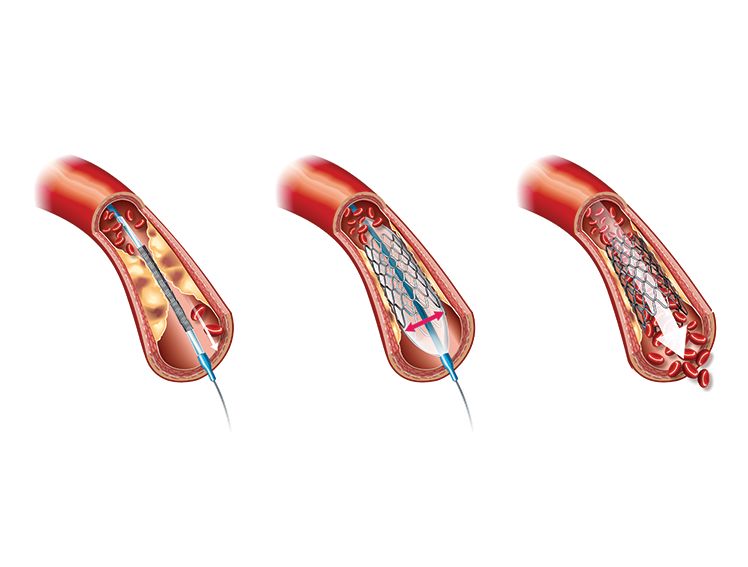
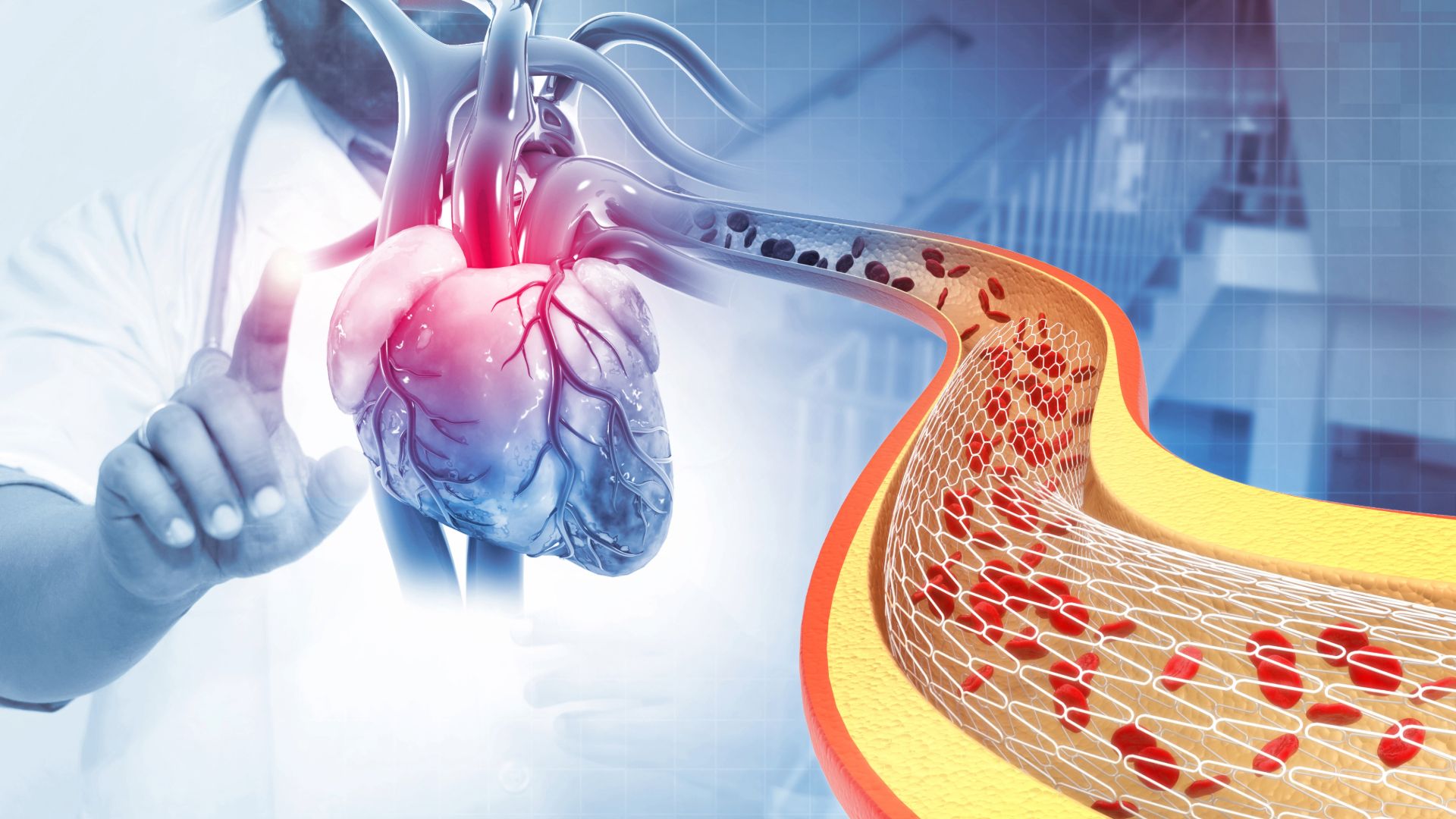
A drug-eluting stent (DES) is a small, expandable metal mesh tube coated with an antiproliferative drug placed in a narrowed coronary artery during PCI. Its job is to keep the artery open, letting blood flow smoothly to the heart. What makes a drug-eluting stent special is that it's coated with medicine. This medicine is slowly released into the artery over time to help prevent the artery from getting blocked again. The drug-eluting stent stays in your body permanently, offering long-term support to the artery from the inside.
What Is a Bioresorbable Scaffold (BRS)?
A bioresorbable scaffold works similarly to a drug-eluting stent—it's placed in a blocked artery to keep it open and allow blood to flow properly. However, unlike the metal stent, the scaffold is made from a material that the body can gradually absorb. It also releases medicine to prevent the artery from getting blocked again, just like a drug-eluting stent. But the difference is that after a few years, the scaffold dissolves and disappears, leaving the artery in a more natural state. This can be especially helpful for younger patients or those who may need further treatments in the future.
Key Differences Between DES and BRS
Drug-Eluting Stent (DES)
The drug-eluting stent is made of metal and is designed to stay in your artery permanently. It provides strong support to the artery wall, making it a great option for patients who need long-term help in keeping their arteries open. Since the stent remains inside, it can be easily seen in medical scans, which makes it useful for follow-up check-ups. The medicine coating on the stent helps prevent future blockages, which is particularly important for patients at higher risk.
Bioresorbable Scaffold (BRS)
On the other hand, the bioresorbable stents are made from a dissolvable material that gradually dissolves after a few years. Once your artery has healed and the scaffold disappears, the artery regains its natural movement and flexibility. Since nothing is left behind, any future procedures in the same area can be easier to perform.
Considerations and Limitations
Considerations
Patient suitability and availability play important roles in choosing between a drug-eluting stent and a bioresorbable scaffold. Not all patients are ideal candidates for a bioresorbable scaffold; the decision depends on factors like the size of the artery, the type of blockage, and overall health.[1]
Some patients may benefit more from a permanent solution like a drug-eluting stent, while others may find a dissolving stent more suitable. Your doctor will carefully consider these factors to recommend the best option for you. Additionally, while drug-eluting stents are widely available, bioresorbable scaffolds may not be offered in all hospitals or regions, which can also affect the treatment choice.
Limitations
Bioresorbable scaffolds are newer and may not be suitable for every type of blockage. In some complex cases, doctors may prefer the proven support of a drug-eluting stent. Additionally, once the scaffold dissolves, it can no longer be seen in future scans, which might make follow-up check-ups a little different compared to a drug-eluting stent, which stays visible in scans over time.
Discussing Options with Your Interventional Cardiologist
Choosing between a drug-eluting stent and a bioresorbable scaffold is not something you have to decide alone. Your Interventional cardiologist will guide you based on your specific heart condition, age, lifestyle, and future health needs. Don't hesitate to ask questions like:
What are the benefits of each option for me?
Will I need long-term medicines?
How often will I need check-ups after the procedure?
Can I go for another procedure in the future if needed?
This conversation is key to ensuring the best heart care tailored to your individual needs.
Evermine50 by Meril Life
Evermine50 by Meril Life Sciences is an advanced coronary stent designed to treat blocked arteries. At just 50 microns thick, it's ultra-thin, minimising damage to the artery while providing strong support. Coated with everolimus, it slowly releases medicine to help prevent future blockages.
Its flexible and durable design ensures a better fit in the artery. Proven to provide positive results, Evermine50 is a trusted choice for heart care, with doctors recommending it for its effectiveness and safety in aiding recovery after procedures.
Conclusion
Both the drug-eluting stent and the bioresorbable scaffold provide good support for blocked arteries. The drug-eluting stent offers permanent support, while the bioresorbable scaffold provides temporary support, a more natural option. The best choice depends on your specific Heart condition and overall health.
The key is to understand your options, stay informed, and follow your cardiologist's advice. With the right treatment and care, you or your loved one can look forward to a healthier heart and a better quality of life.