
























What Happens During a Heart Attack vs a Cardiac Arrest?
Introduction
Heart attack and cardiac arrest are often used interchangeably in spoken English as if they mean the same thing. Well, they do not. While both are very serious heart-related emergencies, what happens inside the body is very different in each case. Understanding this difference can help people recognise warning signs early and respond correctly.
This blog explains, in simple terms, what happens during a heart attack versus a cardiac arrest, how they differ, and why awareness can save lives.
The Heart's Basic Role
The heart is a muscular pump that works nonstop to circulate blood throughout the body. This blood carries oxygen and nutrients to vital organs like the brain, kidneys, and lungs.
For the heart to work properly, two things must happen together:
Blood must flow freely through the heart's blood vessels
Electrical signals must keep the heartbeat steady and regular
Problems with blood flow can lead to heart attacks. Problems with electrical signals lead to cardiac arrest.
What Happens During a Heart Attack?
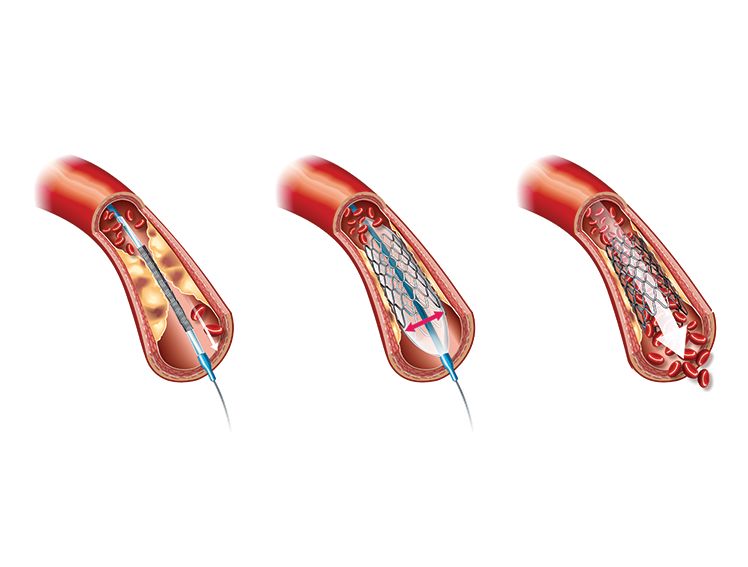
During a heart attack, the blood supply to a part or parts of the heart muscle is blocked. It leads to a lack of oxygenated blood reaching that area, and it may cause that region to die. The blockage is usually caused by the build-up of plaque deposits in the coronary arteries.[1]
When a plaque in the artery ruptures:
A blood clot is formed around it
Blood flow slows or stops
The heart muscle is starved of oxygen
If blood flow to the heart is not restored immediately, that part of the heart muscle begins to get damaged.
Common signs of a heart attack include:
Chest pain or tightness that lasts more than a few minutes[2]
You may experience some pain around your arm, jaw, neck, or back
Shortness of breath
Cold sweats, nausea, or light-headedness
Many heart attacks develop gradually. Symptoms of heart attack may start hours or even days before the actual event.
What Happens During a Cardiac Arrest?
A cardiac arrest is sudden and often comes without any warning. It happens because the heart's electrical system malfunctions, causing it to stop beating effectively.[1]
During cardiac arrest:
The heart suddenly stops pumping blood
Oxygen supply to the brain stops
The person collapses and loses consciousness
Without immediate help, cardiac arrest can be fatal within minutes.
Common signs of cardiac arrest include:
Sudden collapse
No pulse
No breathing or only gasping
Loss of consciousness
Unlike a heart attack, cardiac arrest does not usually give early warning signs.
How They Differ a Side-by-side Comparison
Aspect | Heart Attack | Cardiac Arrest |
Main problem | Blocked blood flow | Electrical malfunction |
Heart activity | Still beating | Stops beating effectively |
Onset | Often gradual | Sudden |
Consciousness | Usually awake | Immediate collapse |
Primary cause | Blocked artery | Abnormal heart rhythm |
Immediate response | Emergency medical care | CPR and defibrillation |
This comparison highlights why the two conditions require different responses.
Can One Lead to the Other?
Yes, a heart attack can sometimes trigger a cardiac arrest. When the heart muscle is damaged during a heart attack:
The heart's electrical signals may become unstable
Dangerous heart rhythms can develop
This can lead to sudden cardiac arrest
However, not all cardiac arrests are caused by heart attacks. Some can occur due to inherited rhythm disorders, severe electrolyte imbalance, or existing heart disease.
Awareness for a Heart Attack and Cardiac Arrest
When you know how to respond to a heart attack or cardiac arrest, it can make a critical difference.
If you suspect a heart attack:
You should call emergency services immediately.
Help the person to sit down and stay calm.
Do not ignore symptoms, even if they seem mild.
If someone collapses suddenly:
Again, always call emergency services straight away.
If you are trained in CPR, perform it immediately.
If you are trained and know how to use an automated external defibrillator (AED), use it if available. Otherwise, wait for help to arrive.
Early action improves survival in both conditions.
Where Medical Devices Play a Role?
In heart attack treatment, restoring blood flow quickly is essential. So, coronary stents are commonly used to open blocked arteries and keep them open. Meril Life manufactures drug-eluting stents, such as Evermine50, and bioresorbable scaffolds, such as MeRes100, designed to support vessel patency during interventional procedures. These devices are part of broader clinical strategies used by healthcare professionals to manage blocked coronary arteries and reduce further heart damage.
Conclusion
A heart attack and a cardiac arrest are not the same, even though both involve the heart. A heart attack is a circulation problem caused by blocked blood flow, while cardiac arrest is an electrical problem that suddenly stops the heart.
Understanding these differences helps people recognise symptoms, respond faster, and seek the right kind of help. Awareness, early action, and access to appropriate medical care remain key factors in saving lives.