Heart Attacks in Young Indians: Why Cases Are Rising Before 40
Introduction
The Indian Heart Association reports that nearly 25% of heart attacks in men have occurred before the age of 40.[1] What was once considered a health problem for older adults is now affecting people in their twenties and thirties. Doctors across the country are seeing more young professionals being rushed to emergency rooms with chest pain, breathing difficulties, or sudden collapse.
This rise is linked to lifestyle changes, long hours at work, growing stress, poor sleep patterns, and an increase in conditions like diabetes and obesity. Understanding why this is happening is the first step to protecting young hearts.
How Common Are Heart Attacks in Young Adults?
Recent reports suggest that among young heart attack patients, about 1 in 5 is aged 40 or younger.[2]Some states have seen a sharp rise in emergency calls related to chest pain in younger people. Studies also show that South Asians are at a higher risk of premature heart disease compared to other populations.[3]
Johns Hopkins has noted an increase in heart attacks among women aged 35–54 over. This trend shows that heart disease is no longer limited to older age groups.[4]
Why Are Heart Attacks Increasing Among Indians Under 40?
Younger Indians today live very different lives compared to previous generations. Common reasons contributing to early heart issues include:
High-pressure work environments
Long sitting hours
Limited physical activity
Frequent consumption of processed foods
Higher rates of smoking and alcohol use
Rising stress and lack of sleep
These factors, combined with genetic risk in South Asians, make younger adults more vulnerable.
Major Risk Factors behind Early Heart Attacks
Some of the most common risk factors include:
Obesity: Extra body weight can be a cause of excess fat raises cholesterol, blood pressure, and diabetes risk.
Diabetes: India has high rates of young-onset diabetes, which damages blood vessels early.
High blood pressure: Often silent, it strains the heart over time.
High cholesterol: It leads to plaque building up in the arteries.
Smoking: A major trigger for premature heart disease.
Unhealthy diet: High sugar, salt, and trans fats speed up plaque formation.
Excessive alcohol: Weakens the heart and increases blood pressure.
Genetic and Lifestyle Triggers You Shouldn't Ignore
Many young Indians have a strong family history of heart disease, diabetes, or cholesterol disorders. Genetics alone doesn't cause a heart attack, but when combined with lifestyle triggers, stress, poor diet, inadequate sleep, and inactivity, the risk increases sharply.
Warning Signs of a Heart Attack Young Adults Often Miss
Young adults often mistake early heart attack symptoms for acidity, anxiety, or exhaustion. Common warning signs include:
Pressure or heaviness in the chest
Pain in the arm, back, or jaw
Shortness of breath
Sudden dizziness
Nausea or indigestion-like discomfort
Unusual sweating or fatigue
Heart Attack vs. Sudden Cardiac Arrest: Know the Difference
A heart attack can occur when blood flow to the heart is blocked by a narrowed blood vessel or a blood clot.[5] A sudden cardiac arrest occurs when your heart suddenly stops beating due to your heart not receiving proper electrical signals.[5]
A cardiac arrest is more life-threatening and requires immediate CPR and defibrillation, but both conditions are medical emergencies.
How Stress, Diet, and Work Habits Are Hurting Young Hearts
Doctors have highlighted that many young patients share similar lifestyle patterns: poor work-life balance, job insecurity, long hours, and lack of rest. Constant stress raises hormones that raise blood pressure and blood sugar, increasing the likelihood that arteries will develop blockages.
Skipping meals, relying on fast food, and irregular sleep cycles further strain the cardiovascular system.
Can Heart Attacks Be Prevented? Here's How
Here are some measures to implement in your lifestyle:
Get regular health screenings, especially if you have a family history.
Monitor BP, cholesterol, and blood sugar.
Avoid tobacco and limit alcohol.
Exercise for at least 30 minutes a day.
Maintain a balanced diet with all macro and micronutrients.
Practise stress-relief activities like meditation, walking, or hobbies.
Treatment Options for Preventing Heart Problem
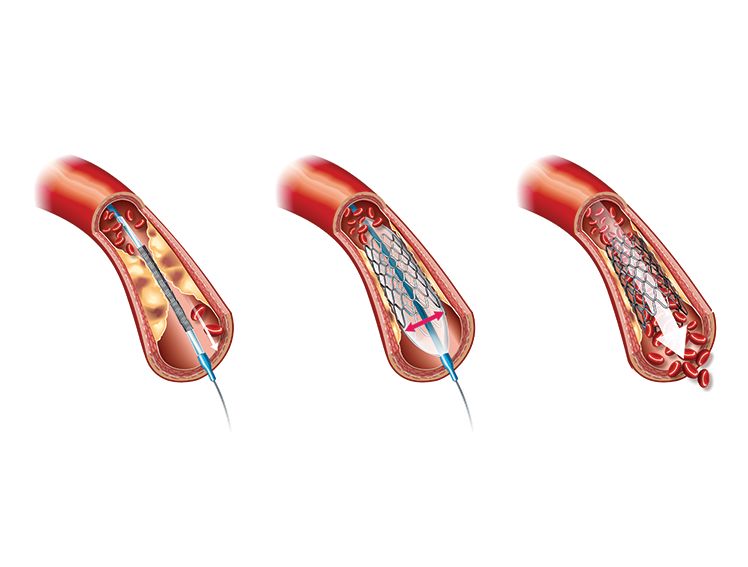
Prevention becomes even more important for young adults with early symptoms or known risk factors. When blockages are detected early, modern treatment options can effectively restore blood flow.
Advanced cardiovascular solutions used by doctors today include:
Thin-strut drug-eluting stents, such as the BioMime DES, are used to treat long or complex blockages in young patients.
Bioresorbable scaffolds like MeRes100, which dissolve over time, are suitable for selected younger individuals in whom long-term vessel healing is important.
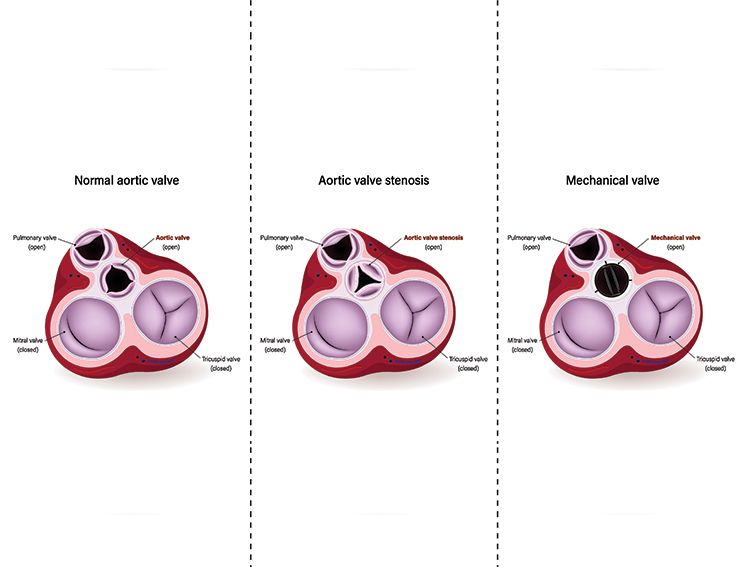
Minimally invasive heart valve options like Myval THV, used for structural heart conditions when required.
These tools help cardiologists manage premature cardiovascular disease with precision and reduced recovery time.
Conclusion
Heart attacks in young adults are rising fast in India, but most of the risk comes from preventable lifestyle factors. Understanding your family history, managing stress, staying active, and getting regular screenings can significantly lower the risk. Early action today can help protect your heart for the decades ahead.