Heart Disease and Its Link to Age & Gender: Myths vs Facts
Introduction
Heart disease is often talked about in a very narrow way. Many people picture an older man clutching his chest, rushed to the hospital after a sudden heart attack. While that image exists for a reason, it does not tell the full story.
Heart disease is a subset of Cardiovascular Disease (CVD) pertaining to the problems related specifically to the heart. It can affect men and women, young and old, and even people who appear fit and healthy.
In this blog, we will gently break down some common myths around heart disease, gender, and age, using simple language, clear examples, and practical facts you can rely on.
Myth #1: Heart Disease Affects Men who are Old
This is one of the most widespread myths.
The facts are more nuanced:
Heart disease can begin developing decades before symptoms appear
Fatty deposits in arteries may start as early as the 20s or 30s
Men may develop symptoms earlier, but age alone is not the trigger
What actually matters more than age:
High blood pressure
Diabetes
Family history
Stress and inactivity
Example:
A 35-year-old with uncontrolled diabetes and high stress may be at higher risk than a 60-year-old who stays active and manages their health well.
Myth #2: Women Are Less at Risk than Men
This myth has caused serious delays in diagnosis for women.
The reality:
CVDs are the cause of 30% of deaths every year in women.[1]
Women often develop heart disease later than men, especially after menopause.[1]
Symptoms in women can be different and more subtle
Common symptoms in women may include:
Unusual fatigue
Shortness of breath
Jaw, neck, or back pain
Nausea or dizziness
These signs are often mistaken for stress or indigestion, which is why awareness matters.
Myth#3: Young and Fit People Don't Get Heart Disease
Being young or fit does not make someone immune. WHO reported that 45% of deaths in 2016 in the age group 40-69 years were due to CVDs.[2]
Why this myth exists:
Younger people often lack obvious symptoms
Fitness is visible; internal health is not
Risk factors that affect younger adults:
Genetic conditions affecting cholesterol
Smoking or vaping
Poor sleep and chronic stress
Diets high in processed foods
Important to remember:
You can look healthy and still have a narrowing of the arteries
Early screening can detect problems before damage occurs
Myth #4: Heart Disease Is Inevitable with Age
Age increases risk, but it does not make heart disease unavoidable.
What ageing actually does:
Blood vessels may stiffen over time
Blood pressure may rise
Recovery may take longer
What can still make a difference at any age:
Regular walking or light exercise
Balanced meals with less salt and sugar
Managing blood pressure and cholesterol
Taking prescribed medicines consistently
Many people improve heart health well into their 70s and 80s with small, steady changes.
Myth #5: Heart Disease Is Only a Genetic Problem
Many people believe that heart disease is something you inherit and cannot change. While family history does play a role, it is only one part of a much bigger picture. Heart disease usually develops due to a combination of genetics, age, gender, and everyday habits. Even if heart problems run in your family, it does not mean heart disease is unavoidable.
What can genetics influence?
Higher cholesterol levels from a young age
Early narrowing of arteries
Increased risk of high blood pressure
Greater vulnerability to heart disease at a younger age
These inherited factors may increase risk, but they do not act alone.
Why These Myths Are Dangerous
Believing these myths can delay action, diagnosis, and treatment. Because of these myths, many people:
Ignore the early warning signs
Skip their routine health checks
Underestimate personal risk
Delay treatment when the damage is advanced
For women in particular:
Symptoms may be overlooked or mislabelled
Diagnosis may happen later than ideal
Outcomes can be worse without early care
Awareness is not about fear; it is about giving you time and options.
Treatment and Medical Devices for Heart Related Diseases
When heart disease is detected early or during an emergency, modern treatments can help restore blood flow and reduce complications.
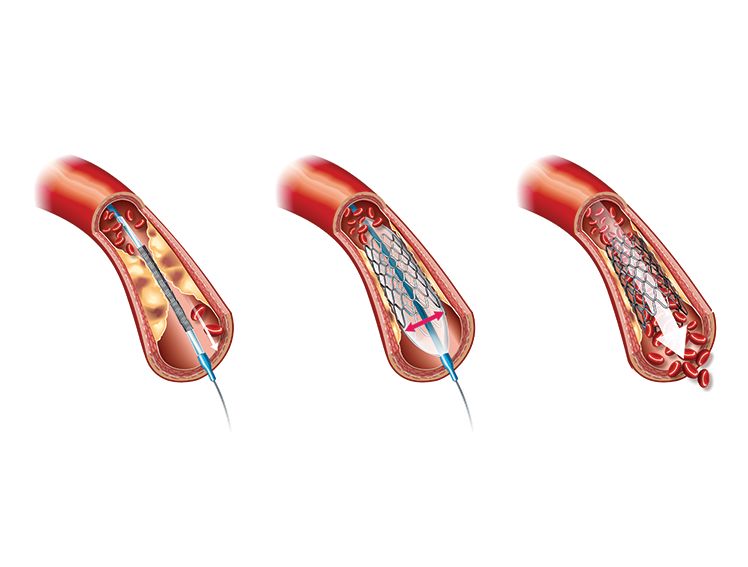
When arteries become significantly narrowed, coronary stents may be used to keep them open and improve blood flow. MeRes100 bioresorbable scaffold is designed with biocompatible materials to support vessel healing while maintaining blood flow. These devices are part of broader treatment decisions made by cardiologists based on individual patient needs.
Conclusion
Heart disease does not affect one gender or age group. It develops quietly, shaped by lifestyle, genetics, and long-term habits rather than stereotypes.
By questioning common myths, paying attention to subtle signals, and staying informed, you give yourself a better chance to protect your heart, whether you are 25 or 65, male or female. Taking healthier steps early can make the biggest difference.