























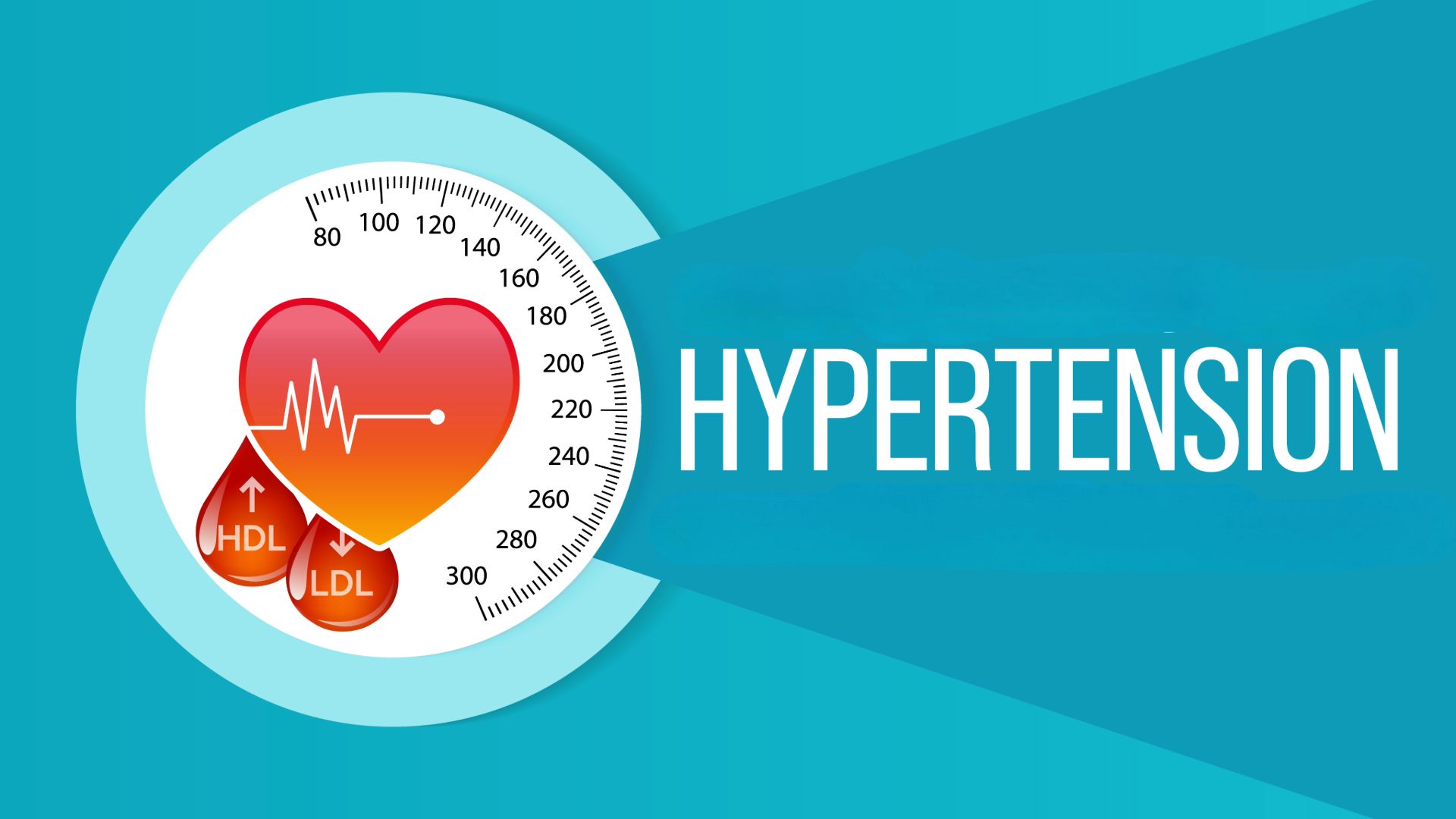
Hypertension in Young Adults: Why It's Rising and What to Do About It
Introduction
You may think high blood pressure is only something your parents or grandparents worry about. But guess what? Hypertension in young adults (15–49 years) is rising globally, with Indian data showing a prevalence of 11.3% in this group.[1]
This blog shows you why this is happening and what you can do to protect your health.
What Is Hypertension?
Hypertension, also known as high blood pressure, refers to the force of your blood against your artery walls being too high. If it's not treated, it can quietly damage your heart, brain, kidneys, and eyes over time. It's one of the top causes of heart disease and stroke.
Why Is Hypertension Rising in Young Adults?
A. Sedentary Lifestyles
More people are sitting at desks, watching screens, or gaming for long hours. Less movement means a higher chance of gaining weight, which raises your blood pressure.
B. Poor Eating Habits
Many young adults skip meals, eat junk food, or rely heavily on processed snacks. These foods are often high in salt, sugar, and unhealthy fats – all bad news for your blood pressure.
C. Stress and Mental Health Issues
Exams, job pressure, social media, and personal relationships can cause a lot of stress. Stress hormones like cortisol can raise your blood pressure, especially if stress is ongoing.
D. Lack of Sleep
Sleeping less than 6 hours a night regularly is harmful to your heart. Poor sleep patterns can increase the risk of hypertension.
E. Smoking, Alcohol, and Substance Use
These habits are more common in young people and can cause your blood pressure to spike and stay high over time.
F. Family History and Genetics
If high blood pressure runs in your family, you may be more likely to get it, too. That means you need to be more careful about your lifestyle.
Warning Signs to Watch Out For
Hypertension is called a "silent killer" because it usually doesn't show symptoms until it causes damage.[2]
Still, some people may feel:
Frequent headaches
Dizziness or blurred vision
Chest pain
Shortness of breath
Nosebleeds
Fatigue without reason
If you experience any of these, especially with a family history of hypertension, it's time to get checked.
Risks of Ignoring High Blood Pressure Early in Life
Leaving hypertension untreated in your 20s or 30s can lead to serious health problems later on. You might think you're young and safe, but the damage adds up silently. Over time, high blood pressure can increase your risk of:
Heart attacks and heart failure
Strokes
Chronic kidney disease
Eye problems and vision loss
How to Prevent or Manage Hypertension in Your 20s and 30s?
Start by taking small steps toward a healthier lifestyle. Eat more fruits, vegetables, and home-cooked meals. Cut down on salt and fried snacks. Move more—at least 30 minutes of walking, dancing, or yoga daily can make a difference. Reduce stress with meditation, journaling, or hobbies. Sleep for at least 7–8 hours every night. Quit smoking and drink alcohol in moderation, if at all. Prevention is better than cure.
When to See a Doctor?
You should see a doctor if:
You often feel dizzy or tired, or experience frequent headaches.
You're overweight or have a family history of hypertension.
Your blood pressure reading (via a home monitor or pharmacy check) is consistently high.
Don't wait for things to get worse. Early diagnosis can help manage hypertension before it causes damage.
Treatment Options for Young Adults
If lifestyle changes aren't enough, your doctor may recommend medicines to help control your blood pressure.[3] These may be long-term or temporary, depending on your condition. Regular monitoring, blood tests, and follow-ups are essential. You may also need to check your cholesterol, kidney function, and heart health since all of these are connected.
Sometimes, doctors might refer you to a cardiologist if your hypertension is more serious. In certain cases, orthopaedic health can also be impacted due to weight gain and joint stress caused by high blood pressure. Early intervention and multidisciplinary care play a key role in protecting both heart and joint health in young adults dealing with hypertension.
Conclusion
Hypertension is no longer just a problem for older people. Young adults in India are facing it more than ever before – but it doesn't have to be that way. With awareness, regular check-ups, and healthier daily habits, you can stay ahead of the game. Your 20s and 30s should be about building your life, not worrying about your blood pressure. So, take charge now.