






















Mother's Day: Supporting Mothers through Better Health and Care
Introduction
She tracks every school appointment, every office deadline, and every family meal. But when did she last visit a doctor for herself?
According to the National Family Health Survey (NFHS-5), a large proportion of Indian women do not seek medical care even when they are unwell, not because they can't, but because they've quietly moved themselves to the bottom of the list.[1] Meanwhile, 57% of Indian women between 15 and 49 years are anaemic who are neither pregnant nor breastfeeding, a figure that has been rising, not falling.[1]
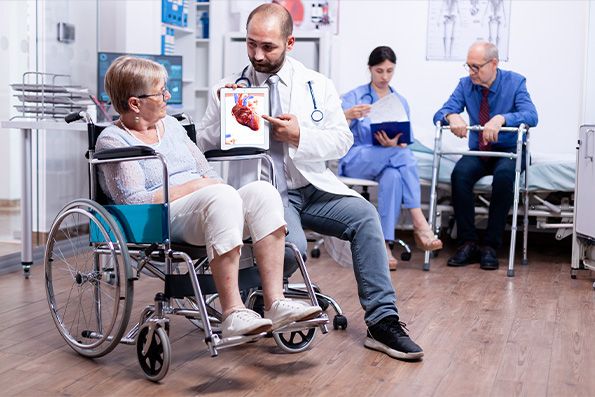
Mother’s Day offers an opportunity to pause and reassess what care truly means. Moving beyond gifting, there is a need to add accountability as well. Women’s health spans far more than occasional check-ups; it includes sustained attention to cardiovascular health, bone strength, hormonal balance, and overall well-being across life stages.
Why Mothers Often Put Their Health Last?
She notices when her child has a slight fever. She remembers her parents' medication schedule. She tracks everyone's health, except her own.
It is not unusual.
The reasons are not about carelessness; they are deeply human:
Time simply runs out when you are between professional and caregiving responsibilities.
Small symptoms are often dismissed as temporary or manageable.
Personal healthcare may feel like something that can wait.
What starts as putting others first becomes, over the years, a pattern of self-neglect with real health consequences.
The Symptoms Mothers Often Miss
Many everyday symptoms are brushed aside as tiredness or stress, when they may indicate underlying health concerns:
- Unusual constant fatigue or breathlessness after routine activity
- Persistent knee, back, or joint pain
- Irregular periods, hair fall, or unexplained weight changes
- Swelling in the legs or a feeling of heaviness by the end of the day
- Nausea, dizziness, or discomfort in the back, jaw, or arms
These signs may be linked to cardiovascular issues, bone health concerns, hormonal imbalances, or circulation-related conditions.
What Changes in a Mother's Body Over the Years
As women grow older, certain health risks become more prominent:
- Heart health: Heart disease remains one of the leading causes of death among women, yet often goes unrecognised due to different symptom patterns[3]. Risk factors, including high BP, high cholesterol, and post-menopausal hormonal changes, can silently build up over time.
- Bone health: Bone density gradually decreases after 40, especially after menopause, increasing the risk of osteoporosis.[5] Persistent knee, hip, or back pain and difficulty with everyday movements are signs that should not be dismissed. A bone density scan or orthopaedic evaluation can catch concerns early.
- Hormonal health: Conditions such as PCOS, thyroid disorders, and uterine fibroids are common and can affect energy, metabolism, mood, and overall well-being. PCOS affects roughly 20–25% of Indian women of reproductive age[2], while thyroid disorders are among the most underdiagnosed conditions in women.
- Vascular health: Poor circulation, varicose veins, and leg heaviness are common in women, particularly after prolonged standing or pregnancy, and are often mistaken for general tiredness.
Awareness of these risks helps take timely action rather than react to advanced symptoms.
The Check-Ups Every Mother Should Stop Skipping
Prevention does not always mean doing everything at once. It starts with a few essential check-ups that help identify risks early. For most women above 40, staying on track with a few basics can go a long way:
- Regular blood pressure and blood sugar checks
- Cholesterol levels to monitor heart health
- Screenings, mammograms and cervical tests as advised by a doctor.
- Bone health evaluation, especially after menopause
- A thyroid profile, particularly if fatigue, weight changes, or hair loss are present
The goal is not to follow an exhaustive list, but to build a habit of regularly checking in on health. A doctor can guide what is needed and when, based on individual risk factors.
How Families Can Help Mom Prioritise Her Health
Supporting a mother's health is a family effort. Small, consistent actions make the biggest difference:
Book her appointment: Don't just suggest it; schedule it, and go with her.
Make annual check-ups a family ritual so she doesn't feel singled out.
Help her while cooking to make and eat nutritious meals together at home.
Redistribute household tasks so she gets adequate rest.
Conclusion
A healthy mother can give so much more to her family and to herself. So this Mother's Day, let the celebration go beyond one day. Let it be the moment your family commits to making her health a real, ongoing priority. At Meril, we believe that good health is not a privilege. It is a right every mother deserves, without compromise.