Robotic Hernia Surgery: A Leap in Hernia Treatment
Introduction
Hernias can be extremely painful and uncomfortable, often affecting your day-to-day life. Surgery has been the primary method for treating hernias for years, but thanks to new technologies, the process has become safer, more precise, and easier to recover from. Robot-assisted hernia surgery is a cutting-edge technique that's reshaping how hernias are treated. Before understanding how robotic systems assist in surgery, it helps to know what a hernia actually is and why it occurs.
What Is a Hernia?
A hernia can occur if a part of an internal organ protrudes through a weak area. It commonly appears in areas like the abdomen, groin, or upper thigh.[1]
Common signs and hernia symptoms include:
It is a visible lump or bulge, particularly when standing or coughing
Pain, aches or discomfort in the affected area
A feeling of pressure or heaviness
Pain that worsens during lifting or bending
If it is left untreated, a hernia can grow larger and cause complications, making timely treatment important.
Understanding Hernia Repair Surgery and Types
Hernia repair surgery involves repositioning the protruding tissue and strengthening the weakened area. The goal is to restore muscle integrity and prevent recurrence.
Main types of hernia repair include:
Open Surgery: The surgeon makes one larger incision to access and repair the hernia directly.
Laparoscopic Surgery: Small keyhole cuts are made to insert instruments and a tiny camera for internal visualisation.
Robotic Surgery: A step beyond laparoscopy, using robotic arms for superior precision and control.
Use of a hernia mesh:
During surgery, doctors often place a soft mesh over the weak area to support tissue healing and reduce the risk of recurrence.
What Is Robotic Hernia Surgery?
Robotic hernia surgery is a modern technique that combines a surgeon's skill with robotic precision. Instead of operating directly by hand, the surgeon controls robotic arms using a console.
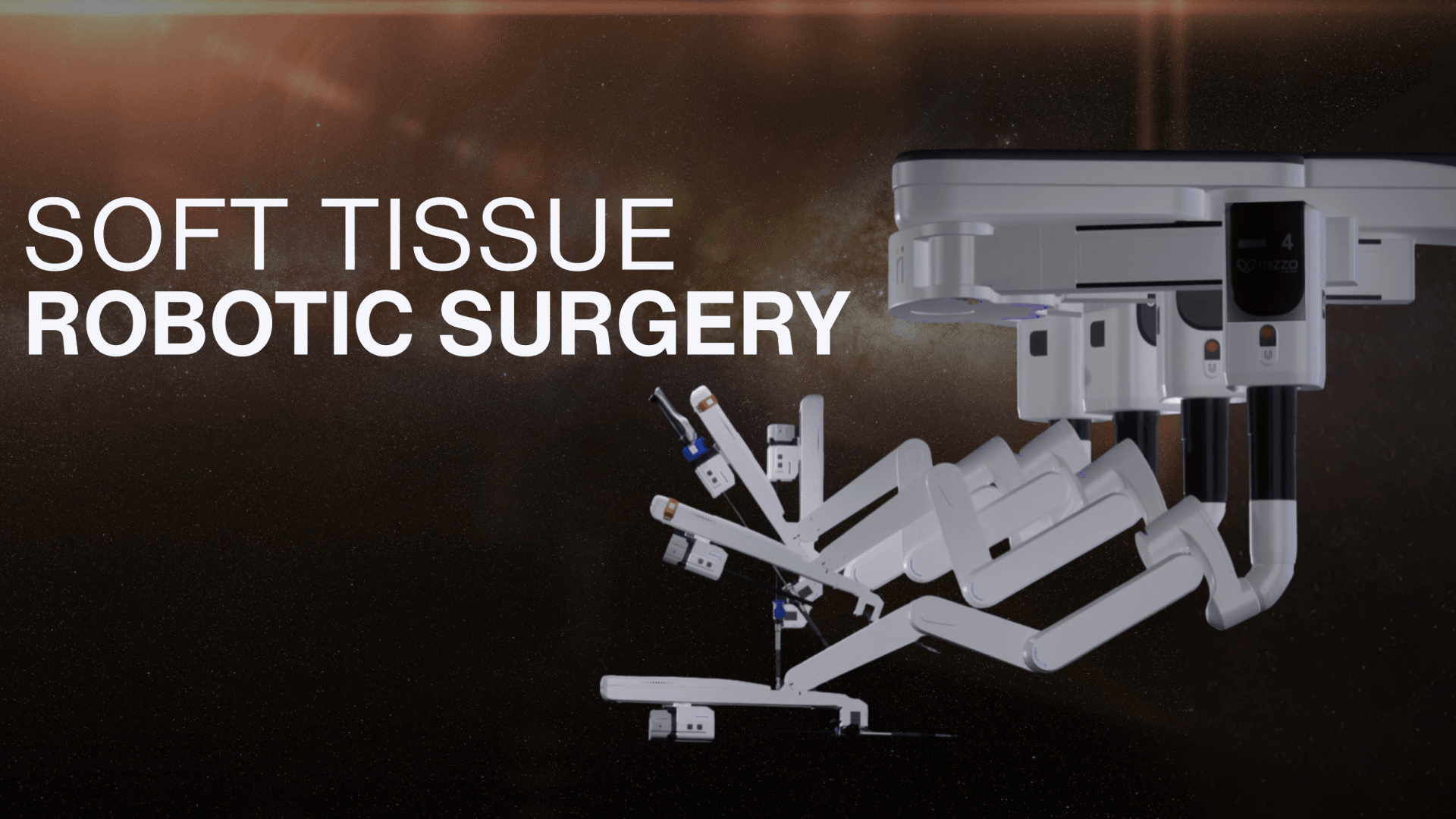
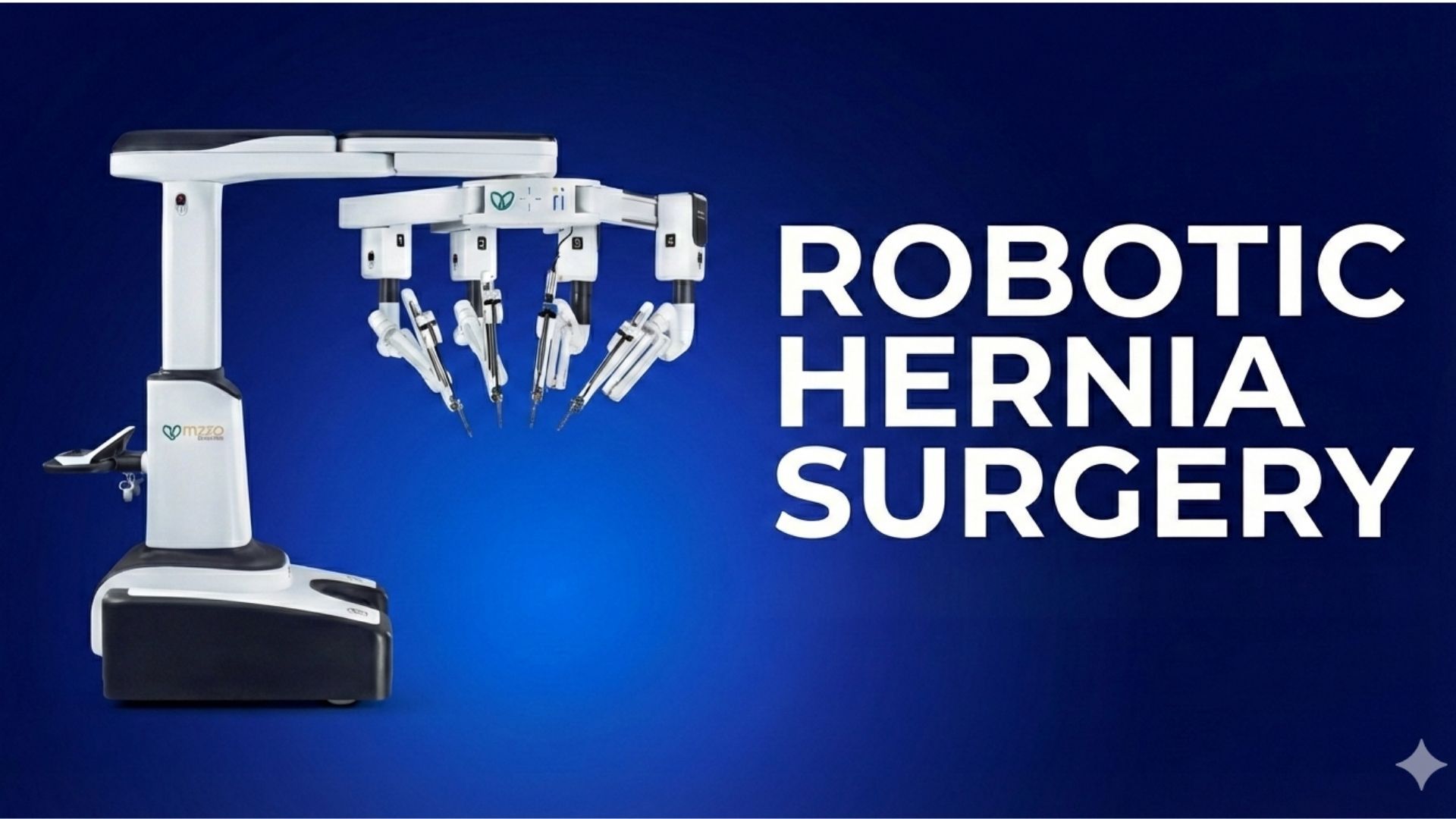
Meril's MIZZO Endo 4000 is designed to assist surgeons during such procedures with enhanced vision, flexibility, and control. This innovative surgical system uses 3D imaging, AI-assisted mapping, and articulated robotic arms to perform delicate movements even in tight spaces.
How it works:
The surgeon sits at a console inside the operating room.
Robotic arms hold instruments that mimic the surgeon's hand movements.
High-definition 3D cameras magnify the view of the surgical area.
Every movement is steady, scaled, and precise, reducing human hand tremors.
This combination of human expertise and robotic technology helps improve accuracy and outcomes for patients undergoing hernia surgery.
Benefits of Robotic-Assisted Hernia Repair
Robotic-assisted surgery offers several benefits over traditional techniques:
Greater precision: The MIZZO Endo 4000 provides surgeons with high-definition 3D visuals, enabling delicate tissue handling.
Smaller incisions: Minimally invasive access reduces scarring, pain, and infection risk.
Reduced blood loss: Robotic arms offer steady movements, lowering trauma to surrounding tissues.
Better ergonomics for surgeons: The system is designed in a way that it supports long procedures, provides better comfort and control to the surgeon.[2]
Robotic vs. Laparoscopic Surgery for Hernia
Both laparoscopic surgery for hernia and robotic techniques are minimally invasive. However, robotics enhances the process further.
Key differences are:
Control: the robotic arms can rotate more than human wrists, giving surgeons greater freedom.
Visualisation: 3D imaging in robotic surgery provides depth perception, unlike standard 2D laparoscopic views.
Comfort: Robotic consoles offer ergonomic seating, reducing surgeon fatigue.
While both techniques try to aim for quicker recovery and less pain, robotic surgery allows precision in mesh placement and tissue repair.
Considerations before Robotic Hernia Surgery
Patients should understand the process and suitability. Here are some things to consider:
Medical evaluation: The doctor will assess the hernia's size, try to identify the type based on the location.
Surgical history: Previous abdominal surgeries may affect approach selection.
Cost and availability: Robotic systems with advanced technologies may not yet be available at all hospitals.
Surgeon expertise: Robotic procedures require trained specialists.
Your doctor will help you to decide whether robotic surgery is the right choice for you.
Recovery After Robotic Hernia Surgery
Recovery from robotic hernia surgery is typically faster than open surgery. Most patients can return home within a day or two.
Tips for a smoother recovery:
Follow your surgeon's instructions closely
Keep incisions clean and dry
Eat fibre-rich foods to prevent constipation
Avoid lifting heavy objects until cleared by your doctor
Robotic surgery's minimally invasive nature means smaller wounds, less discomfort, and fewer restrictions.
When to Consult a Doctor about Robotic Hernia Surgery
You should visit your doctor for advice on your hernia if you notice this:
A persistent lump or bulge that increases in size when you cough or strain
If you are experiencing pain, burning, or discomfort in the abdomen or groin
If there is a sudden swelling or vomiting (which could indicate a trapped hernia)
A qualified surgeon can evaluate whether robotic or conventional hernia repair is most suitable for you. Early diagnosis can help prevent other complications and ensure a smooth recovery.
Conclusion
Robotic hernia surgery represents a major leap forward in hernia treatment. It merges the surgeon's skill with robotic precision, offering enhanced safety, accuracy, and patient comfort. Advanced systems like Meril’s MIZZO Endo 4000, with features such as wristed instruments, 3D-HD visualisation, and an ergonomic open-console design, are built to support surgeons in performing delicate movements more efficiently. With such innovations, robotic-assisted surgery continues to shape the future of minimally invasive care, aiming to make treatments more precise, accessible, and patient-focused.