


















How Regular Health Check-Ups Support Early HIV Detection
Introduction
Regular health check-ups are really important when it comes to detecting HIV early. Even if you feel fine and don't have any symptoms, getting tested regularly can help spot the virus in its early stages. Early detection allows you to start treatment sooner, leading to improved long-term health outcomes. Including routine HIV screenings in your check-ups can make a huge difference in managing the virus and preventing complications down the line.
HIV and Its Global Impact
HIV affects millions of people globally, and both developed and developing countries are working to control its spread. While treatments have made it possible for many to live longer, healthier lives, early detection is still one of the best ways to fight the disease. The sooner HIV is detected, the quicker treatment can begin. This not only improves the person's health, but it also helps to reduce the chances of spreading the virus to others. Early detection truly makes a difference in managing HIV effectively.[1]
Why Early Detection is Critical
Early detection of HIV is crucial because it allows individuals to start treatment sooner, which helps manage the virus effectively. If HIV goes undetected, it can weaken the immune system over time. It also makes it harder for the body to fight infections. Early detection ensures that the right care and treatment can begin before serious health problems develop, greatly improving long-term health for people living with HIV. Starting treatment early not only reduces the risk of complications but also helps manage the condition more effectively over time.[2]
HIV and Its Early Stages
What is HIV?[3]
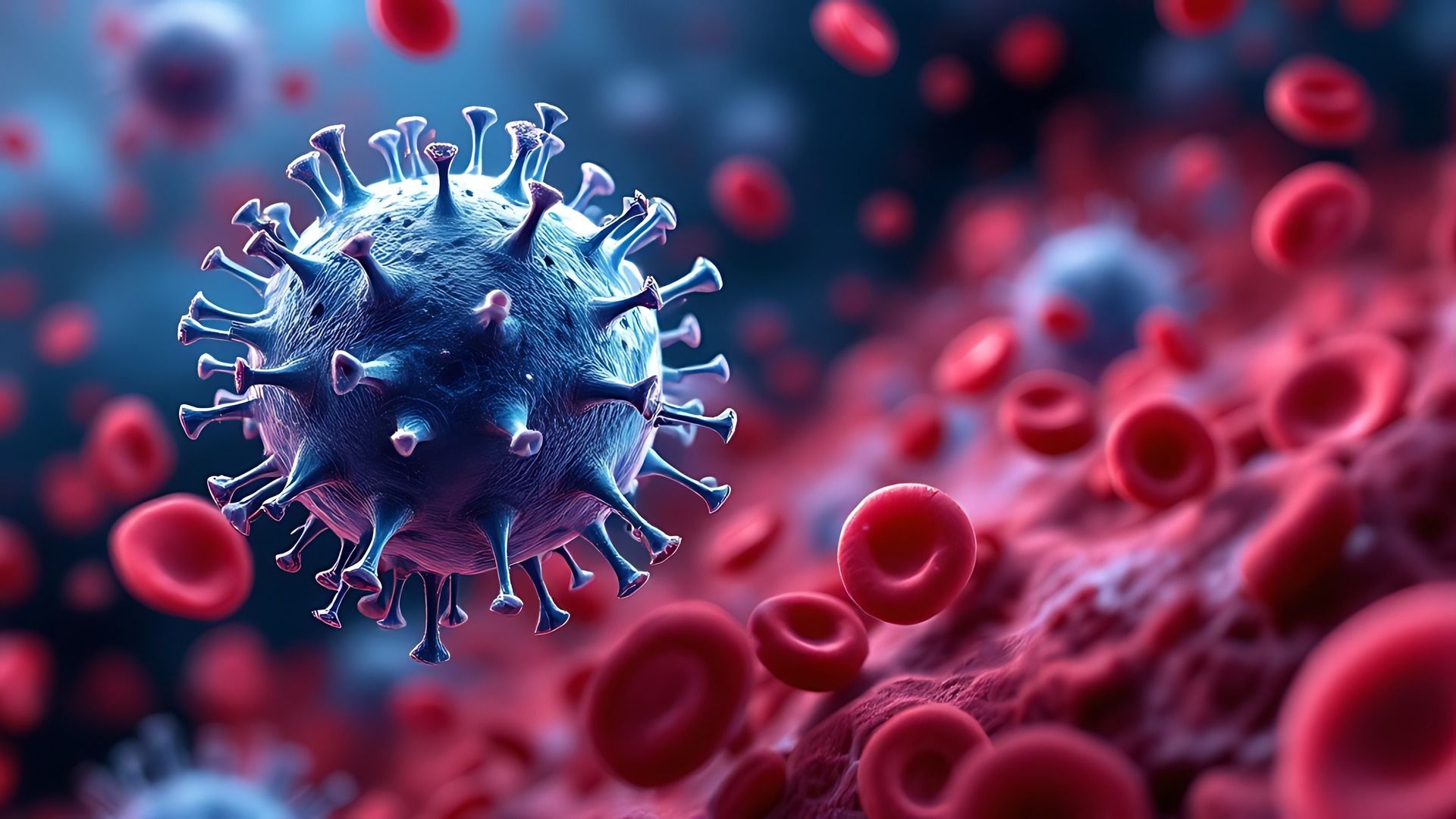
HIV, or Human Immunodeficiency Virus, is a virus that attacks the immune system, specifically the CD4 cells (T cells), which are vital for defending the body against infections. Over time, if left untreated, HIV can progress to AIDS, making it difficult for the body to fight off even minor illnesses.
Why Early Symptoms Can Be Missed
Many people do not experience obvious symptoms during the early stages of HIV. Some individuals may experience flu-like symptoms that subside after a few weeks, leading them to believe they are healthy.[4] This lack of clear symptoms makes regular check-ups and screenings essential for catching the virus early.
Stages of HIV Infection[5]
HIV infection progresses through several stages:
Acute HIV Infection: This occurs within 2 to 4 weeks after exposure and often involves flu-like symptoms.
Chronic HIV Infection: This stage can last for many years with little to no symptoms, but the virus is still active in the body.
AIDS: If untreated, HIV can progress to AIDS, where the immune system is severely damaged, making it difficult to fight infections.
The Importance of Regular Health Check-Ups for Early HIV Detection
Health Check-Ups as a Preventive Tool
Routine health check-ups serve as a preventive step, keeping individuals informed about their health. Regular screenings, including for HIV, can detect potential problems early before they become severe.
Increased Detection Through Routine Screenings
Regular health check-ups, often involving blood tests, can catch early signs of HIV. This is especially important for those who may not show symptoms but are at risk of infection. Early detection through these screenings leads to timely treatment and better health outcomes.
Confidential HIV Testing
HIV testing is confidential, guaranteeing that individuals can get tested without fear of stigma or judgment. Encouraging regular, private testing can help more people feel comfortable taking the first step toward detection.
Early Detection of HIV: How It Improves Outcomes
The Role of Early Detection in Treatment [6]
Early detection plays a major role in the success of HIV treatment. Once detected, healthcare providers can start antiretroviral therapy (ART) early, which helps control the virus and maintain a healthy immune system.
Preventing Transmission
Knowing one's HIV status helps reduce the risk of spreading the virus to others. By detecting HIV early, individuals can take steps to prevent transmission to their partners and reduce the overall spread of the virus.
Improved Quality of Life
With early detection and timely treatment, individuals with HIV can lead healthy, active lives. Starting treatment early keeps the immune system strong and reduces the chances of developing other health complications.
How Regular Health Check-Ups Support Early Detection
Routine HIV Testing in General Health Screenings
Incorporating HIV testing as part of regular health check-ups makes it easier to catch the virus in its early stages. Regular screenings help ensure that people are aware of their status and whether they are at high risk or not.
Encouraging HIV Testing During Check-Ups
Healthcare providers play a vital role in encouraging patients to get tested for HIV during routine check-ups, especially for those who may not think they are at risk. Regular encouragement from healthcare providers can increase the rate of testing.
The Benefits of Early HIV Detection Through Regular Check-Ups
Starting Antiretroviral Therapy Early [7]
One of the biggest benefits of early HIV detection is the ability to start antiretroviral therapy (ART) early. ART helps control the virus, keeping it at low levels and allowing the immune system to stay strong.
Preventing HIV Progression [8]
With early detection and treatment, the progression of HIV to AIDS can be prevented. ART can stop the virus from replicating, reducing the chances of serious health issues related to the immune system.
Decreasing the Stigma Around HIV Testing
By promoting regular health check-ups that include HIV testing, we can reduce the stigma around the disease. When testing becomes a routine part of healthcare, it becomes easier for people to discuss their health openly and take proactive steps.
MERISCREEN HIV 1/2 WB by Meril
Meril Life offers the MERISCREEN HIV 1/2 WB, a rapid test that helps detect HIV-1 and HIV-2 antibodies in blood. This test is designed to give quick and accurate results, making it easier for healthcare providers to screen for HIV early on. It's simple to use and provides timely answers, helping patients get the care they need as soon as possible. Ideal for routine screenings, this test supports early detection, which is key in managing HIV.
MERILISA HIV by Meril
Merilisa HIV-1/2 Gen 3 by Meril is designed to detect HIV antibodies with high precision, ensuring proper and early diagnosis results. It helps healthcare professionals identify HIV infections effectively, supporting timely treatment decisions. Taking diagnostics a step further, the Merilisa HIV Gen 4 combines the detection of HIV antibodies with antigens, enabling even earlier diagnosis compared to the Gen 3 test.
QUADRO HIV 1-2 Ab by Meril
The QUADRO HIV 1-2 Ab by Meril is a rapid, in-vitro qualitative assay designed to detect antibodies specific to HIV-1 and HIV-2 in human serum and plasma. Utilizing a unique combination of synthetic peptides and recombinant proteins, this test differentiates between HIV-1 and HIV-2 antibodies, enhancing diagnostic accuracy. Its fast flow-through design provides results in about three minutes, allowing for quick and timely decision-making in healthcare settings. With high sensitivity and accuracy, QUADRO HIV 1-2 Ab supports early HIV detection, contributing to better patient care and management.
Conclusion
Regular health check-ups are key for early HIV detection, allowing individuals to start treatment sooner, prevent the virus from spreading, and live healthier lives. Including HIV testing in routine exams makes a big difference in managing the virus and improving long-term health outcomes.
FAQs


References
[1] https://www.who.int/news-room/fact-sheets/detail/hiv-aids
[2] https://my.clevelandclinic.org/health/diseases/4251-hiv-aids
[3] https://www.hiv.gov/hiv-basics/overview/about-hiv-and-aids/what-are-hiv-and-aids
[6] https://www.ncbi.nlm.nih.gov/books/NBK513308/
[8] https://www.who.int/news-room/fact-sheets/detail/hiv-aids#:~:text=Treatment-,There%20is%20no%20cure%20for%20HIV%20infection.,them%20to%20fight%20other%20infections.