What Is A Hip Replacement?
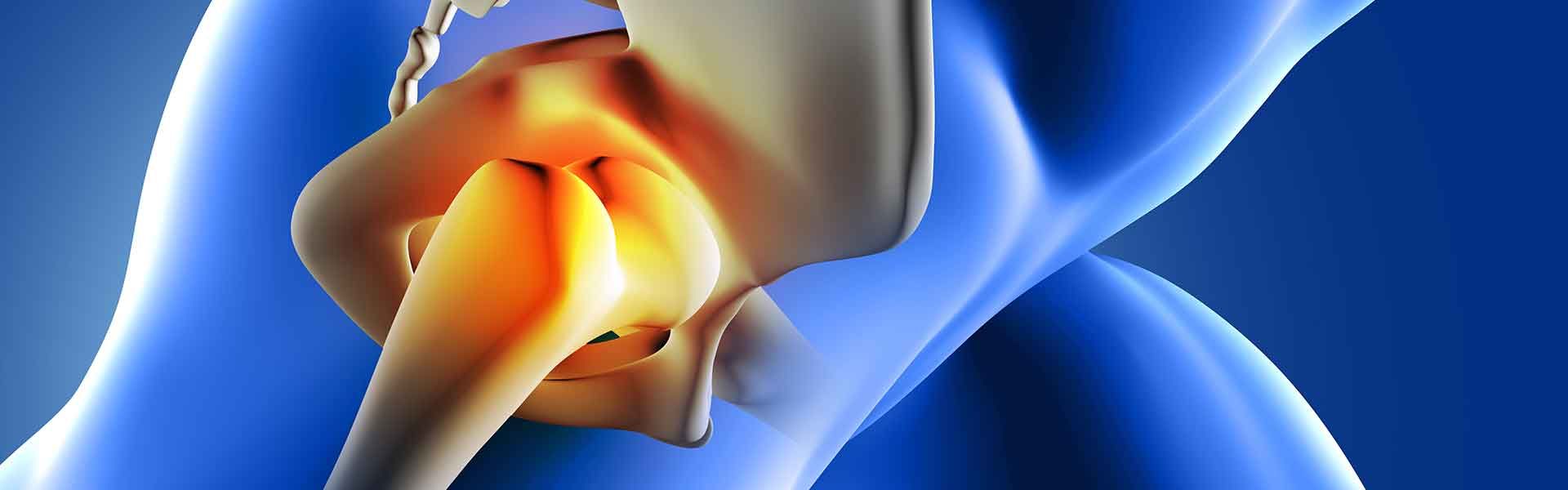
You first of all need to understand, what your hip joint actually is. The hip is amongst the body's largest joints. It is
a ball-and-socket kind of joint where the socket is formed by the acetabulum, part of the large pelvis bone. On the
other hand, the upper end of the thighbone (femur) forms the ball or the femoral head. The bony surfaces of the
ball and the socket are covered by a smooth tissue that acts as a cushion at the bone ends to make their
movement easy. This tissue is referred as articular cartilage. Another thin tissue referred to as synovial membrane
also surrounds the joint.
In healthy conditions, the synovial membrane produces a fluid which lubricates the cartilage and diminishes any
friction during movement of the hip, eliminating any kind of bone wear-and-tear. However, in conditions such as
arthritis, the cartilage, acting as cushion between bones wears away. This wearing away causes friction between
the bones of the joint leading to intense pain and stiffness. A hip replacement is a procedure involving the removal
of the damaged portions of your hip joint due to friction and replacing them with artificial ones usually made of
metal, ceramic or hard polymeric material.
This artificial joint/ implant aids in reduction of pain and also leads to improved joint mobility and function. A hip replacement could be recommended to you, if you are suffering from chronic hip pain which is hindering your daily activities and other non-invasive methods of pain reduction have proved to be ineffective or are no longer effective in improving your condition.
Why THR is required? The most frequent cause of needing a hip replacement is damage to the hip joint due to
arthritis.
The different types of arthritis needing THR include
- Osteoarthritis: It is generally referred as wear-and-tear type of arthritis. This disease causes damage to the
slick cartilage that covers the bone ends and aids in smooth movement of the hip joint. - Rheumatoid Arthritis: This type of arthritis is caused by an overactive immune system, that produces an inflammatory reaction damaging the cartilage and even bones lying below the cartilage, resulting in joint damage and deformation.
- Osteonecrosis: Bone collapse or deformation caused due to poor blood supply to the ball region in the hip joint.
You can consider going for a hip replacement after consulting with your doctors, if you are suffering from any of the following conditions:
- Persistent pain, even after taking painkillers.
- Pain that becomes worse with activity, such as walking.
- Pain that disturbs your sleep.
- Pain that makes you incapable of navigating through stairs.
- Pain that makes getting up from a seated position, difficult.
Main steps involved in a THR are as follows:
- The damaged ball of the hip joint is taken out and replaced with a metallic stem, and is placed into the femur's hollow centre. The stem could either be cemented or "press fit" into the bone.
- A metal or ceramic ball then replaces the worn-out femoral head, which was removed. This artificial ball is positioned on the stem's upper part.
- The cartilage surface of the socket which is damaged gets replaced with a metallic socket. In order to hold the new socket in place, screws or cement is used.
- Finally, a metallic or plastic spacer is positioned between the new implants to permit a smooth gliding surface for frictionless movement of the joint.