

















World Hypertension Day: Causes, Symptoms, and Ways to Manage High Blood Pressure
Introduction
Imagine feeling completely fine, no pain, no dizziness, nothing unusual, and then finding out at a routine checkup that your blood pressure has been dangerously high for years. It has been the reality for millions of people around the world, because hypertension rarely announces itself. Over a billion adults globally are living with high blood pressure, and a staggering number of them have no idea.[1]
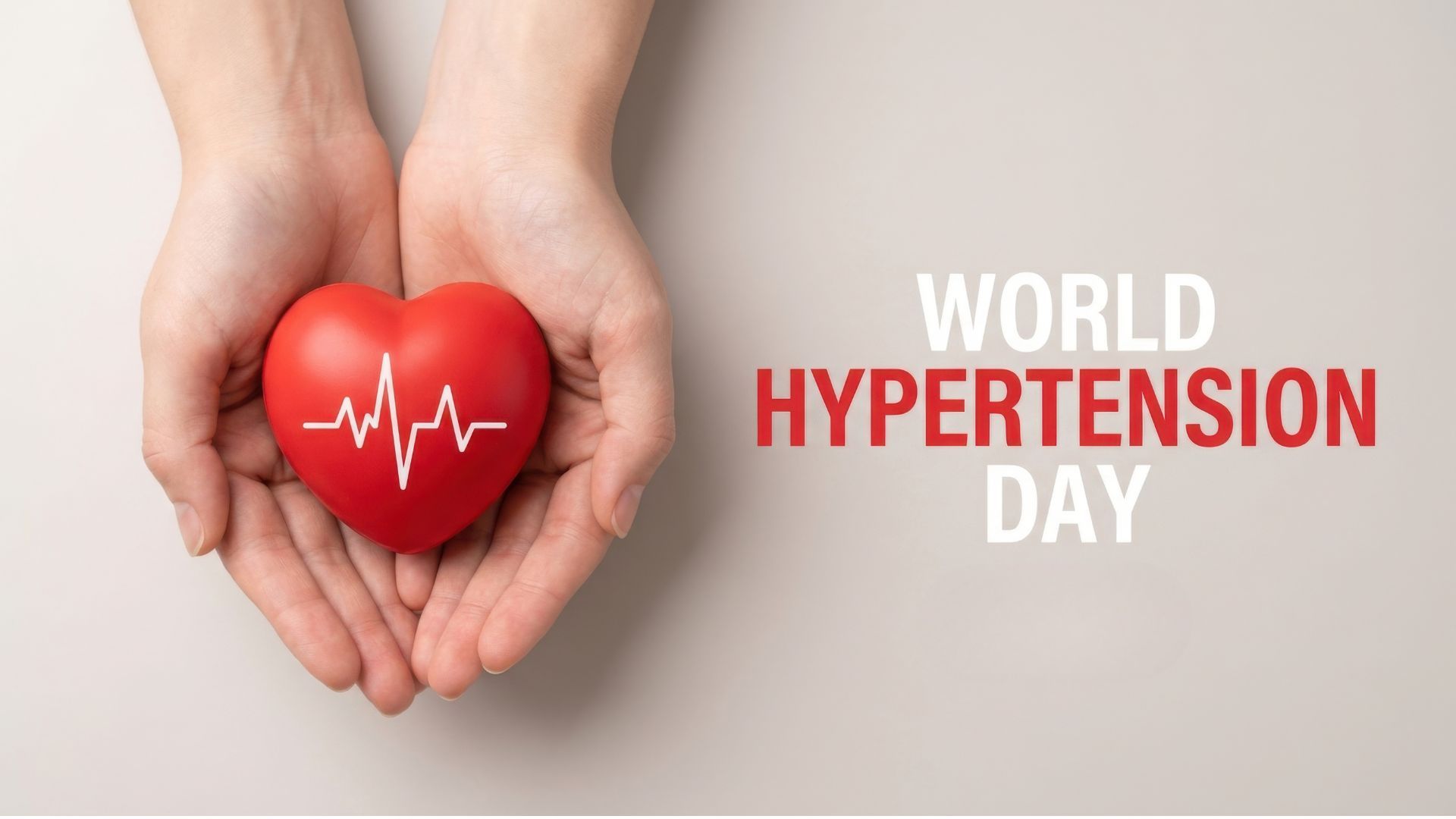
Every May 17th, World Hypertension Day exists to change that. This year's theme, "Controlling Hypertension Together: Check your blood pressure regularly, defeat the silent killer", highlights the importance of regular monitoring, early detection, and collective action in managing hypertension. Raising awareness, encouraging timely checkups, and healthier lifestyle choices can go a long way in preventing complications linked to uncontrolled blood pressure.
What Is World Hypertension Day and Why Does It Matters?
World Hypertension Day was created to spread awareness about high blood pressure and encourage people to get checked. This day matters because hypertension is a leading cause of heart disease, stroke, and kidney failure, yet it remains massively underdiagnosed.[3] Awareness days like this push people to take that first step of actually knowing their numbers.
What Is Blood Pressure
Blood pressure is simply the force of your blood on the walls of your arteries. It is measured using two numbers, for example, 120/80 mmHg. The top number, called systolic pressure, and the bottom number, called diastolic pressure. Both numbers matter, and together they tell you a lot about how hard your heart is working.
What Is Hypertension and How Does It Develop
High blood pressure, also known as hypertension, is a serious health condition that affects millions of people worldwide. It is often called the “silent killer” because it usually shows no clear symptoms.[4] A reading that consistently stays at or above 130/80 mmHg is generally classified as hypertension. The tricky part is that it doesn't develop overnight. For most people, it builds up slowly over many years, quietly, without any obvious signs. Think of it like a tap that's been dripping for years. By the time you notice the damage, it's already been happening for a long time. This gradual progression is exactly what makes it so dangerous.
Common Causes of High Blood Pressure
There's rarely just one cause behind hypertension. It's usually a combination of several things coming together over time.
Here are some causes:
Lifestyle Factors
The way we live day to day has a huge impact on blood pressure. Eating too much salt is one of the biggest culprits; most people consume far more than the recommended 5 grams per day without realising it, mostly through packaged and restaurant food.
Medical Conditions
Sometimes hypertension is driven by an underlying health condition rather than lifestyle alone. Diabetes, chronic kidney disease, thyroid disorders, and obstructive sleep apnea are all known to raise blood pressure.
Genetics and Age
You can do everything right and still be at risk, because genetics plays a real role in hypertension.[2] If your parents or close family members have high blood pressure, your own risk is higher. As we get older, our arteries naturally become stiffer and less flexible, which can raise blood pressure. The risk of hypertension increases significantly with age, affecting more than half of adults between 40–59 years and nearly 75% of those aged 60 and above.[5]
Recognizing the Symptoms of Hypertension
Here's the part that surprises most people: hypertension usually has no symptoms at all. You can feel completely healthy while high blood pressure quietly damages your arteries and organs in the background. In cases where blood pressure becomes very high, some people may notice:
Persistent headaches
Dizziness
Feeling lightheaded
Blurred vision
Nosebleeds
Shortness of breath
A fluttering or pounding feeling in the chest
Even these signs are unreliable. Many people with severely elevated readings feel nothing at all. The only way to truly know is to get it measured.
Health Risks Associated with Uncontrolled Hypertension
When blood pressure stays high over a long period, it doesn't just stay in the background; it starts causing serious damage throughout the body.
Impact on Heart Health
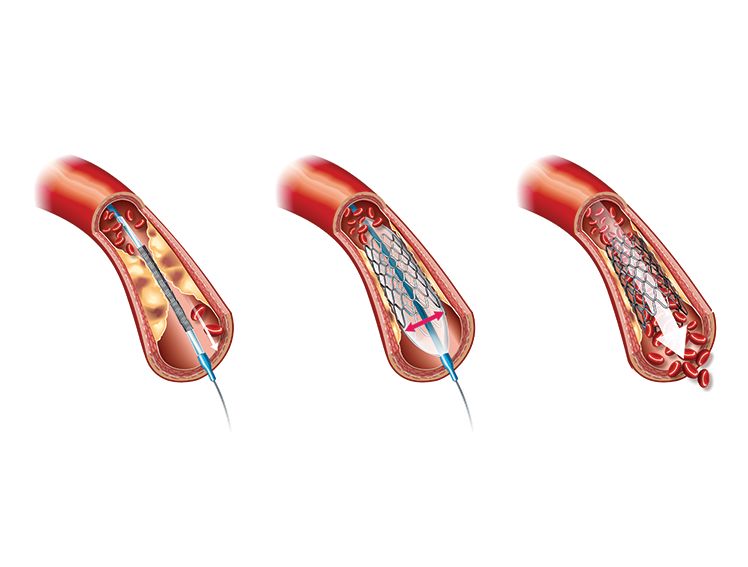
The heart is the organ that suffers the most directly. When it has to pump blood against consistently high pressure, the heart muscle thickens and weakens over time. The arteries feeding the heart can also narrow and harden, a condition called atherosclerosis, making a heart attack far more likely.
Effects on the Brain, Kidneys, and Other Organs
Beyond the heart, uncontrolled hypertension can burst or block blood vessels in the brain, which may lead to a stroke. It can damage the tiny filtering vessels in the kidneys, eventually leading to kidney failure. The eyes are also vulnerable; high pressure in the blood vessels behind the eyes can cause vision loss.
The Importance of Regular Blood Pressure Monitoring
Because hypertension has no reliable symptoms, regular monitoring is the only real defence. Adults with no known risk factors should get checked at least once a year. If you have a family history, are overweight, or are over 40, checking frequently is a smart habit. Home blood pressure monitors today are affordable, easy to use, and quite accurate. Regularly knowing your numbers means you can catch any changes early, before they become a serious problem.
Ways to Manage and Control High Blood Pressure
Managing hypertension is very much possible, and for many people in the early stages, lifestyle changes alone can bring it under control.
Reduce salt intake, aim for less than 5 grams per day.
Eat a heart-healthy diet that includes fruits, vegetables, whole grains, and low-fat dairy
30 minutes of moderate activity for five days a week can lower blood pressure noticeably
Limiting alcohol and quitting smoking both have a direct impact on blood pressure
Practices like deep breathing, meditation, and adequate sleep (7–8 hours) help keep stress hormones in check
When lifestyle changes aren't enough, doctors prescribe medication.
The most important thing with medication is consistency. Taking it every day, even when you feel fine.
Preventive Steps to Reduce the Risk of Hypertension
Prevention is always better than treatment. Even if your blood pressure is normal today, these habits will help keep it that way:
Get your blood pressure checked regularly, even if you feel healthy
Keep your weight in a healthy range
Stay physically active as part of your daily routine, not just occasionally
Cook at home more often so you can control how much salt you consume.
Build a stress management routine, whether it's exercise, journaling, or simply taking breaks
Small, consistent habits add up to make a difference over time.
Conclusion
High blood pressure is not something that only affects older people or those who are visibly unwell. It can affect anyone, at any age, and the fact that it shows no symptoms makes it even more important to stay proactive. World Hypertension Day is a reminder that awareness and action go hand in hand. Getting your blood pressure checked takes less than two minutes, and that two minutes could be one of the most important health decisions you make this year. Know your numbers, make small changes, and talk to your doctor if something doesn't look right.