Absorbable vs. Non-Absorbable Sutures: What's the Difference?
Introduction
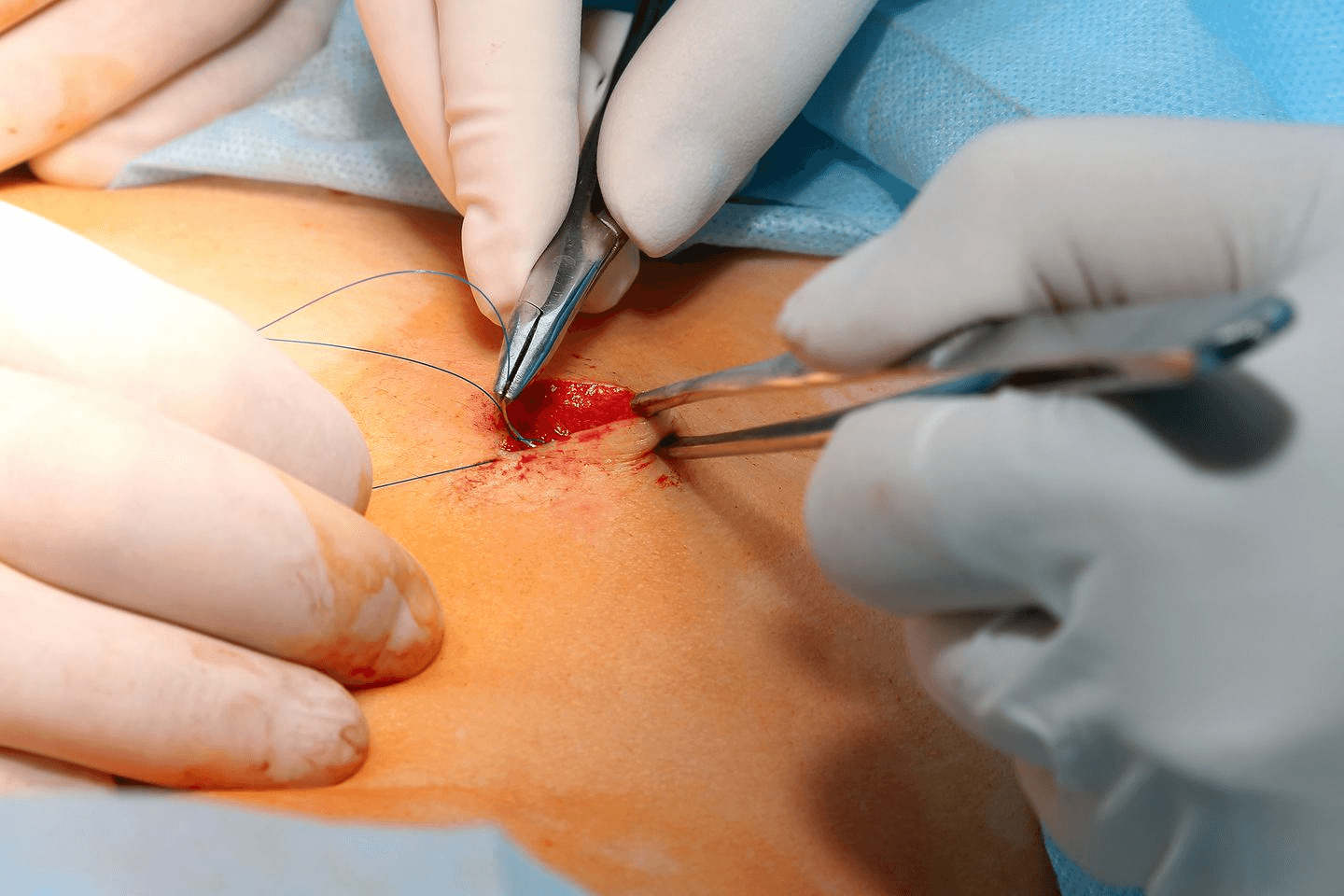
Whenever a surgical cut, wound, or injury needs stitching, doctors use sutures (stitches) to support healing. Sutures help bring tissues together so they can heal in the correct position. One of the most common questions patients have is whether their stitches will dissolve on their own or need to be removed. This is where the two major types, absorbable and non-absorbable sutures, come in.
Knowing the difference helps patients understand what to expect during recovery, follow-up visits, and wound care.
Definitions of Absorbable vs Non-Absorbable Sutures
What are Absorbable Sutures?
Absorbable sutures are those that undergo degradation in tissues over time and are broken by the body via hydrolysis (synthetic materials) or enzymatic reaction (natural materials). So, it does not need to be removed.[1] Hence, it can be used for internal tissues that can heal quickly and are preferred in surgeries involving organs or deep tissue layers.
Non-Absorbable Sutures
Non-absorbable sutures are made from materials that maintain their strength over long periods of time. Some may gradually lose strength and break down, while others can remain in the body permanently. These sutures are often used on the skin or in tissues that require long-term support and usually need to be removed once the wound has healed.
How to Differentiate Between Them in Practice
Absorbable Sutures
Disappear gradually as the body heals
Not visible on the skin surface (when placed internally)
Provide short-term support
Reduce the need for follow-up visits
Non-Absorbable Sutures
Remain intact until removed
Used in both external and internal procedures
Support tissues that heal slowly
Require monitoring to ensure proper healing
Advantages and Use Cases of Absorbable Sutures
Advantages
It is convenient for patients as no removal is needed
Minimise discomfort in deep tissues
Lower risk of irritation in internal layers
Suitable for quick-healing areas
Common Use Cases
Internal surgical layers
Gynaecology surgeries
Gastrointestinal procedures
Paediatric surgeries
Soft tissue repair inside the body
Advantages and Use Cases of Non-Absorbable Sutures
Advantages
Provide long-term strength
More durable in high-stress areas
Excellent for external stitching
Suitable for slow-healing tissues
Common Use Cases
Skin stitching
Cardiovascular surgeries
Orthopaedic repair
Hernia repair
High-tension closure areas
Key Differences Between Absorbable & Non-Absorbable Sutures
Feature | Absorbable Sutures | Non-Absorbable Sutures |
Dissolve naturally | Yes | No |
Removal needed | No | Yes (usually) |
Strength duration | Short-term | Long-term |
Best for | Internal tissues | Skin & strong tissues |
Follow-up visits | Fewer | May require removal |
Typical use | GI, gynaecology | Orthopaedic, skin |
When Doctors Choose Absorbable and Non-Absorbable Sutures
Absorbable Sutures Are Chosen When:
The tissues can heal fast
The suture has to be placed inside the body
Removal of the sutures would be uncomfortable
If short-term support is enough
Non-Absorbable Sutures Are Chosen When:
Tissue healing is slow
Long-term support is necessary
External skin closure is required
The wound is under high tension or movement
Clinical/Practical Considerations for Choosing the Right Suture Type
Doctors look at several factors before selecting a suture. Here are a few:
Healing time of the tissue
Depth and location of the wound
Amount of stress on the area
Patient comfort and follow-up needs
Type of surgery being performed
Risk of wound reopening
Medical history of the patient
The main goal is always safe, comfortable, and effective healing.
Meril's Absorbable & Non-Absorbable Suture Options
Meril provides both categories of sutures to support safe wound closure:
Mistu-ab – an antibacterial absorbable suture designed for dependable internal support during the healing period
Filaprop – a non-absorbable suture used for long-term strength and precision in external and internal procedures
These options allow clinicians to choose what best suits each surgical requirement.
Conclusion
Absorbable and non-absorbable sutures both play important roles in helping wounds heal correctly. Absorbable sutures dissolve naturally inside the body and are ideal for internal tissues, while non-absorbable sutures provide durable, long-term support where stability is essential. By understanding the differences, patients can better follow wound-care advice and feel more confident during recovery. The final choice always depends on the surgeon's assessment of tissue type, healing needs and overall surgical goals.