
























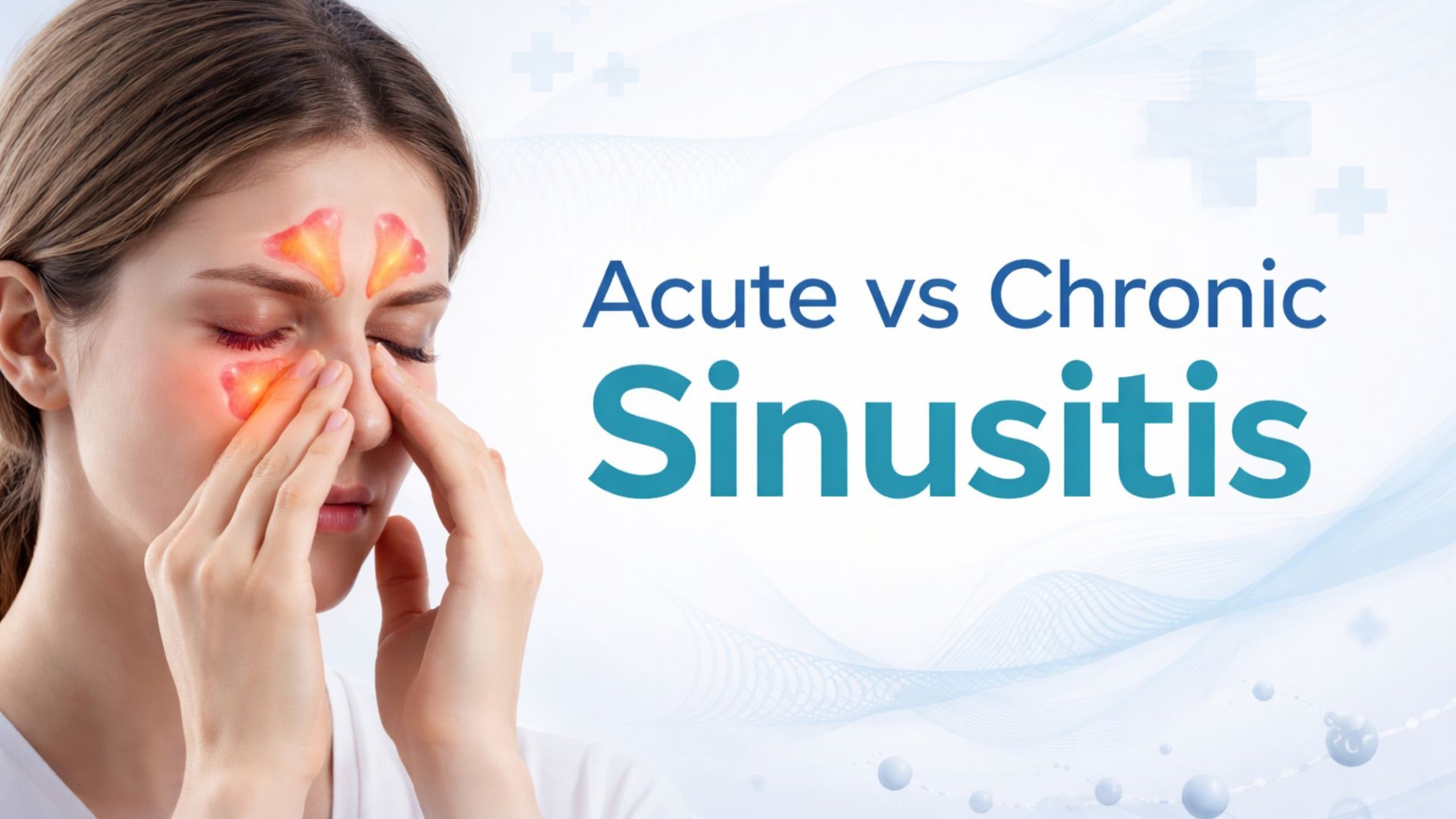
Acute vs Chronic Sinusitis: Causes, Symptoms and Treatment
Introduction
Sinus problems are common, yet many people struggle to understand why symptoms resolve quickly in some cases but persist for months in others. A blocked nose, facial pressure, headache, or thick nasal discharge may indicate sinusitis, but not all sinus infections are the same.
Acute and chronic sinusitis differ in their causes, duration, and treatment approaches. Understanding these differences helps determine when simple care is enough and when medical or surgical intervention may be required.
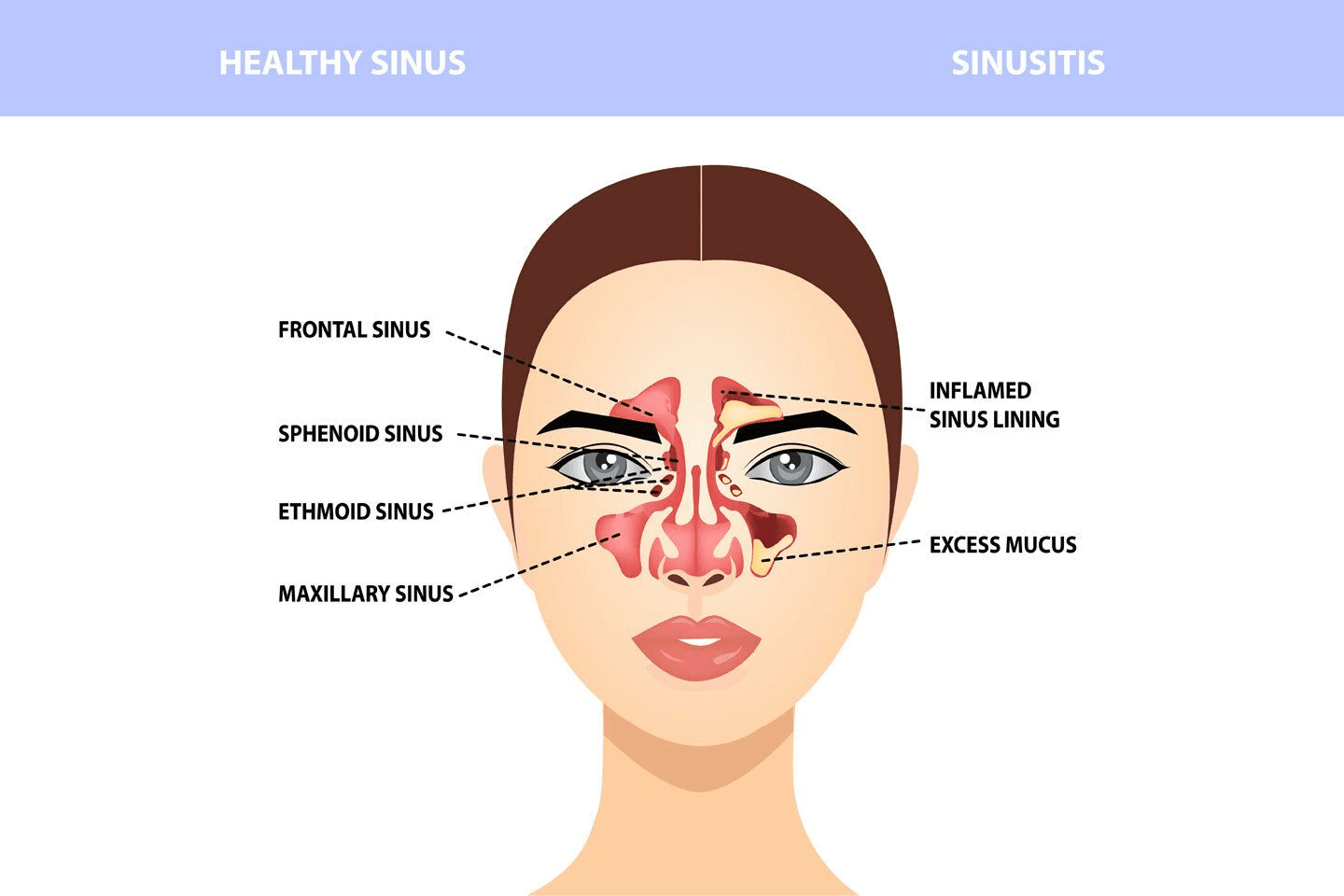
What Is Sinusitis?
What Is Acute Sinusitis?
Acute sinusitis is a short-term inflammation that usually lasts up to 8 weeks and often follows a cold, flu, or upper respiratory infection.[2]
Common causes:
• Viral infections
• Secondary bacterial infection following a cold
• Seasonal allergies
• Exposure to pollution or smoke
Symptoms:
• Blocked or runny nose
• Facial pain or pressure
• Thick yellow or green mucus
• Headache
• Reduced sense of smell
• Mild fever or fatigue
Most people recover with basic treatment and rest.
What Is Chronic Sinusitis?
Chronic sinusitis is a long-lasting inflammation that persists for more than 12 weeks. It may not always cause severe pain but is characterised by persistent symptoms.
Common causes:
- Repeated sinus infections
- Long-term allergies
- Nasal polyps
- Deviated septum
- Weak immune response
Symptoms:
- Constant nasal congestion
- Post-nasal drip
- Facial pressure
- Frequent headaches
- Poor sleep
- Reduced smell or taste
Chronic sinusitis often requires structured medical management.
Key Differences
Factor | Acute Sinusitis | Chronic Sinusitis |
Duration | Upto 8 weeks | More than 12 weeks |
Cause | Infection | Long-term inflammation |
Pain | Sudden | Persistent |
Recovery | Complete | Recurring |
Surgery | Rare | Sometimes required |
Diagnosis
Doctors evaluate symptom duration, severity, and medical history. Diagnosis may include nasal examination, endoscopy, CT scan, or allergy assessment.
Treatment Options
Acute sinusitis:
- Steam inhalation
- Saline sprays
- Pain relief
- Decongestants
Chronic sinusitis:
- Steroid sprays
- Allergy management
- Regular saline rinses
- Anti-inflammatory medicines
- Procedures if needed
Modern Technology
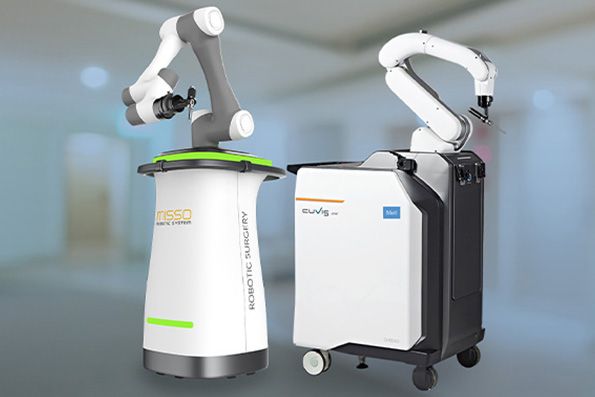
Modern sinus procedures use advanced tools such as Metic, designed for controlled airway dilation with minimal trauma. These technologies improve precision and support better outcomes.
When Surgery Is Needed
Sinus surgery may be considered if;
- Symptoms persist
- Polyps block drainage
- Imaging shows severe obstruction
Conclusion
Acute and chronic sinusitis require different treatment strategies. With early diagnosis, medical advice, appropriate therapy, and timely intervention when needed, most people can achieve lasting relief and improve their quality of life. If sinus symptoms keep returning, consulting an ENT specialist is always a wise step.