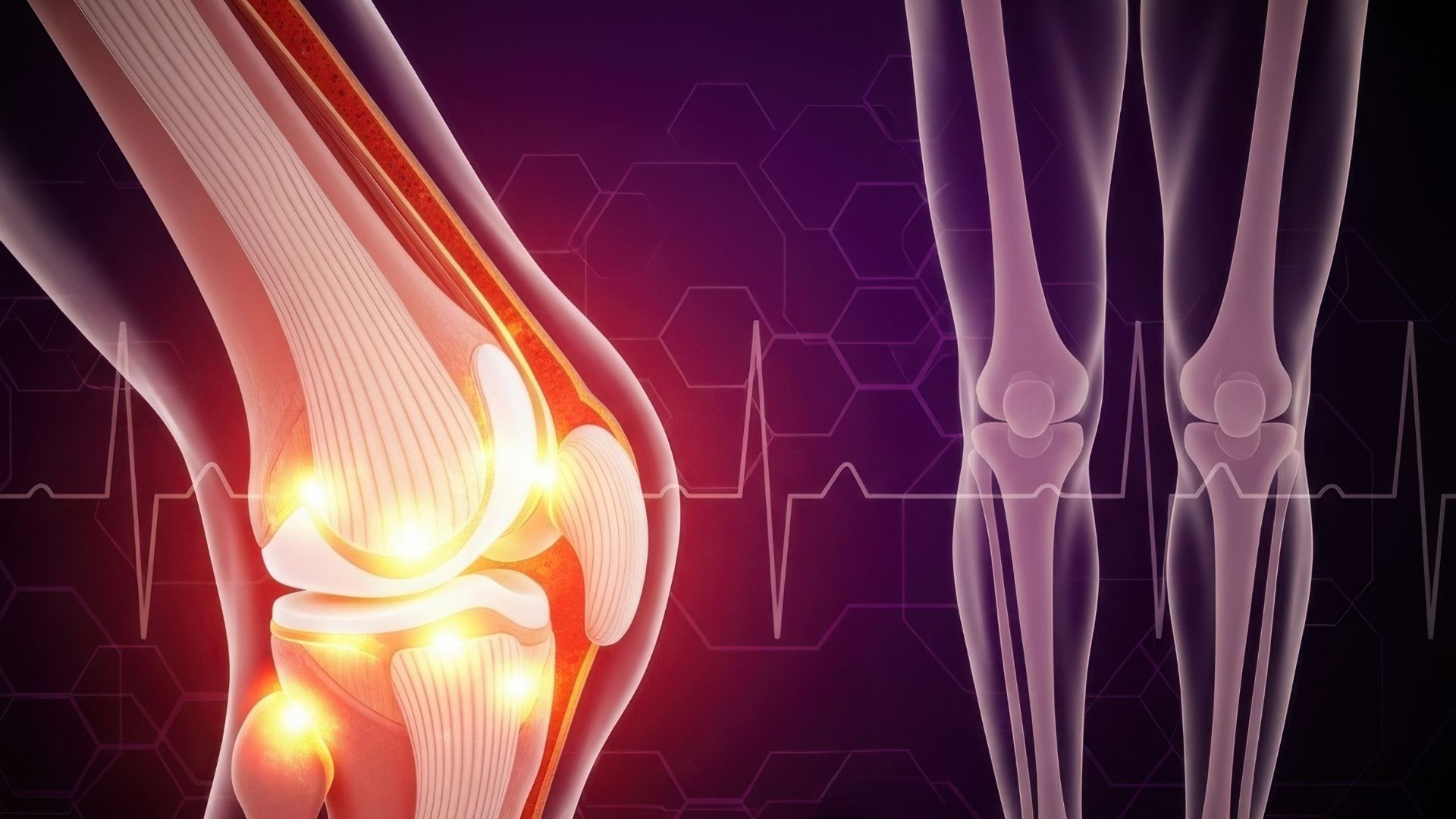
How Arthritis Could Be Affecting Your Heart Health
Introduction
Nearly half of the people with heart conditions also have some form of arthritis.[1] People think of arthritis as a condition that affects only the joints. However, ongoing research shows that arthritis does not stop at causing pain, stiffness, or difficulty climbing stairs—it can also place additional strain on the heart.
If someone has rheumatoid arthritis (RA), osteoarthritis (OA), gout, or psoriatic arthritis, their risk of developing heart disease can be higher than that of someone without these conditions.
This connection is essential, especially for adults who already struggle with mobility, have had orthopaedic surgeries, or live with long-term joint damage. For example, people who undergo knee or hip replacement surgery often have risk factors such as obesity or inflammation, both of which also influence heart health. Understanding the link allows you to protect both your joints and your cardiovascular system.
What the Link between Arthritis and Heart Health Really Means
Arthritis isn't just a "joint problem". Research shows a link between inflammatory arthritis, particularly rheumatoid arthritis (RA), and cardiovascular disease.[2]
Long-term inflammation irritates joints and quietly affects the heart and the blood vessels, too. Think of inflammation as a slow, ongoing fire. If it's not controlled, it may damage artery walls, make blood vessels stiff, and increase the risk of blockages. This means people with arthritis might be more likely to experience high blood pressure, a heart attack, or a stroke.
Who with Arthritis Is at Elevated Heart Risk?
Some individuals with arthritis are more prone to heart problems than others:
People with rheumatoid arthritis often have nearly double the risk of heart disease.
Those with psoriatic arthritis have a higher chance of heart attack and abnormal heart rhythms.
People with gout may face higher cardiovascular risk, partly due to elevated uric acid levels and associated metabolic conditions.
Older adults with osteoarthritis, despite OA being non-inflammatory, may still have an increased risk because reduced mobility contributes to weight gain and poor heart health.
Someone recovering from a knee replacement due to severe OA may find it hard to stay active for weeks. Reduced movement can lead to weight changes, slower metabolism and extra pressure on the heart.
How Chronic Inflammation in Arthritis Affects the Heart and Blood Vessels
Inflammation can affect the heart in ways that are overlooked. Here's how:
Damage to the blood vessel lining: Over time, inflammatory chemicals such as cytokines can harm blood vessel walls, making them more prone to cholesterol buildup.
Faster plaque formation: When plaque settles, it increases the risk of narrowed arteries, which is a major cause of heart attack.
Increased risk of blood clots: Inflammatory arthritis can make blood prone to clotting, affecting blood flow to the heart.
Inflammation is like rust building up inside a pipe; it may start small, but it gradually weakens the whole system.
The Role of Traditional Heart Risk Factors in People with Arthritis
People with arthritis often share common heart risks:
Obesity – Obesity is a chronic disease; the extra weight strains joints and makes the heart work harder.
High cholesterol – the fats can settle in the arteries, causing plaque.
Type 2 diabetes – often co-exists with OA and RA and increases cardiovascular risks.
High blood pressure – worsened by chronic pain or inactivity.
Smoking – a trigger for RA and heart disease.
For example, someone waiting for hip surgery may avoid walking due to pain, which may lead to weight gain and reduced cardiovascular fitness, with implications for the heart.
Lifestyle Changes to Protect Your Heart and Bones When You Have Arthritis
You can take simple, everyday steps to support both heart and joint health:
Stay active- Even low-impact activities like swimming, cycling, and walking support heart health and reduce stiffness.
Follow an anti-inflammatory diet- Mediterranean-style eating, rich in vegetables, fruits, legumes and healthy fats, may reduce inflammation.[3]
Maintain a healthy weight: Every extra kilo puts added pressure on joints and the heart.
Get regular check-ups- Blood pressure, cholesterol, and sugar tests matter even more for arthritis patients.
When to Seek Professional Heart-Health Advice as an Arthritis Patient
Seek medical attention if you experience:
chest pain or pressure
sudden shortness of breath
unexplained fatigue
irregular heartbeat
swelling in the legs
Also, speak to your doctor if your arthritis medications change, your heart health might need monitoring.
Conclusion
Arthritis and heart health are more closely connected than most people realize. Inflammation, reduced mobility, weight changes and certain medications can influence cardiovascular risk. However, with appropriate monitoring, healthy lifestyle habits, timely treatment—and surgical solutions when needed—it is possible to protect both your joints and heart.