























Balloon Sinuplasty vs Sinus Surgery (FESS): Key Differences & Recovery
Introduction
If you’ve been dealing with frequent sinus infections, facial pressure, or persistent nasal blockage, surgery may be recommended. That’s often when the confusion begins: should you opt for balloon sinuplasty or conventional sinus surgery?
Both procedures aim to improve sinus drainage and relieve symptoms, but they differ significantly in approach, recovery, and suitability. Understanding these differences can help you make a more informed decision with your ENT specialist.
What Is Balloon Sinuplasty?
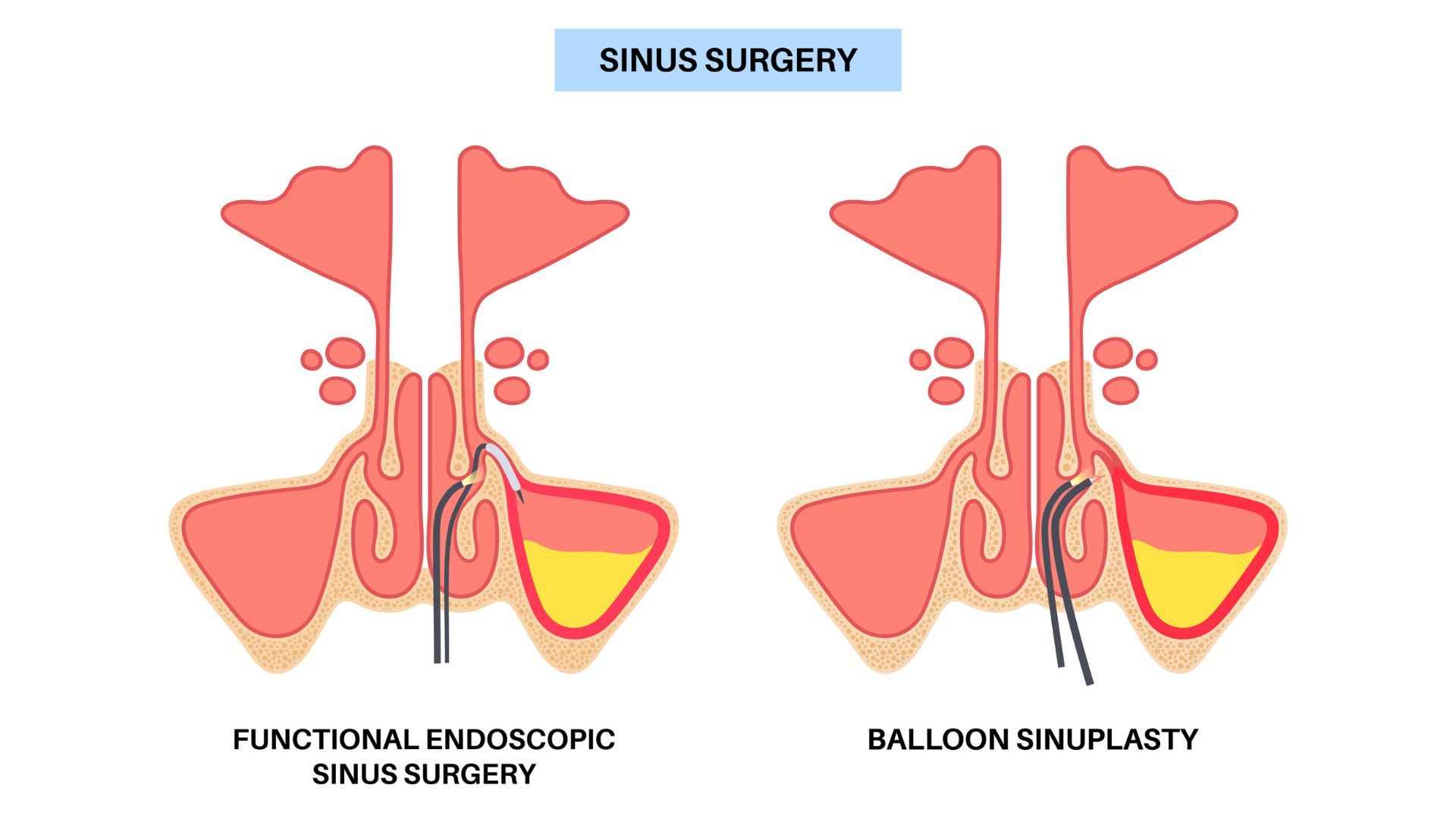
Balloon sinuplasty is a minimally invasive procedure used to treat certain types of chronic sinusitis. Instead of removing tissue, a small, flexible balloon catheter is used. [1]
How it works:
• The balloon is guided into the blocked sinus opening
• Once in place, it is gently inflated
• This widens the natural sinus passage
• The balloon is then deflated and removed, leaving the sinus open
Since there is no cutting of bone or tissue, balloon sinuplasty typically results in less bleeding, minimal scarring, and faster recovery. In many cases, it can be performed as a day-care or office-based procedure under local anaesthesia.
What Is Conventional Sinus Surgery (FESS)?
Conventional sinus surgery, or Functional Endoscopic Sinus Surgery (FESS), is used for a wider range of sinus conditions.
During this procedure:
- An endoscope is inserted through the nose
- Inflamed tissue, polyps, or bone causing blockage is removed
- Sinus openings are surgically enlarged
This approach enables direct removal of diseased tissue and correction of structural issues within the sinuses. It is more versatile and better suited to complex conditions.
Recovery may involve nasal packing, follow-up cleaning, and a longer healing period.
Key Differences
Aspect | Balloon Sinuplasty | Conventional Sinus Surgery |
Invasiveness | Minimally invasive | More invasive |
Tissue removal | No | Yes |
Bleeding | Minimal | Moderate |
Anaesthesia | Often local | Usually general |
Recovery time | Faster | Longer |
Post-op care | Limited | More frequent follow-ups |
Conditions treated | Selected cases | Mild to severe cases |
Effectiveness and Long-Term Outcomes
A common concern patients have is whether balloon sinuplasty is as effective as traditional surgery. Clinical evidence suggests that it provides effective relief in appropriately selected patients, with outcomes comparable to conventional surgery in such cases.
It also allows flexibility, as surgeons can convert to conventional surgery if required during the same procedure.[2]
Who Is a Candidate for Balloon Sinuplasty?
You may be a suitable candidate if:
- You have chronic sinusitis due to blocked openings
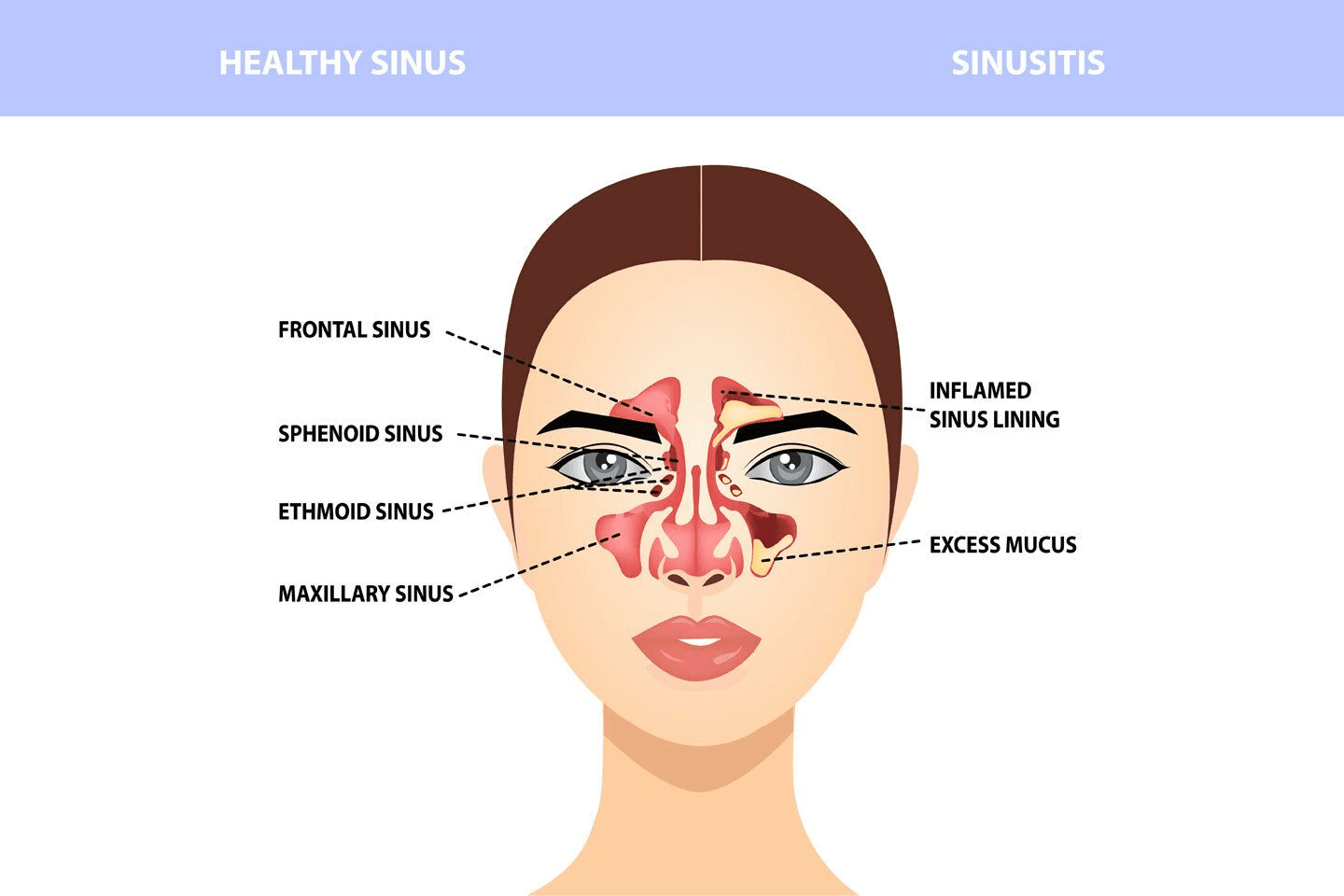
- Frontal, maxillary, or sphenoid sinuses are involved
- You have mostly normal nasal anatomy
- No extensive nasal polyps
Proper evaluation using nasal endoscopy and CT imaging is essential before recommending any procedure.
When Is Conventional Surgery Preferred?
FESS is preferred when:
- Nasal polyps are present
- Disease is extensive
- Structural abnormalities exist
- Previous surgeries have failed
In such cases, tissue removal ensures better long-term outcomes.
Role of Surgical Technology
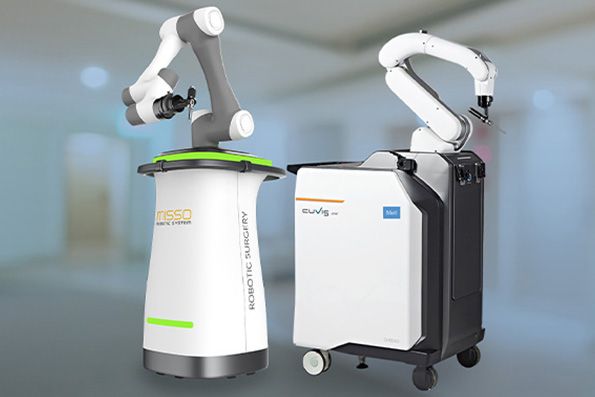
Modern sinus procedures rely on advanced technologies that enhance precision and minimize tissue trauma. Solutions such as Mesire support controlled and accurate intervention, improving visualization and procedural efficiency in delicate sinus anatomy.
Conclusion
Choosing between balloon sinuplasty and conventional sinus surgery depends on your specific condition.
Balloon sinuplasty offers:
- Less invasiveness
- Faster recovery
- Effective results in selected cases
Conventional surgery offers:
- Broader treatment capability
- Better outcomes for complex disease
A thorough evaluation and discussion with your ENT specialist is key to achieving the best outcome.