



























World Kidney Day 2026: Addressing the Top Causes of Chronic Kidney Disease
Introduction
Kidneys work quietly every day. They filter waste, balance fluids, control blood pressure and help keep bones healthy. Most people are not concerned about their kidneys until something goes wrong.
Chronic Kidney Disease (CKD) develops gradually. In many cases, symptoms appear only after significant damage has occurred. Hence, awareness is important.
Every year, 12th March is observed as World Kidney Day. This year’s theme is, "Kidney Health for All: Caring for People, Protecting the Planet " which reminds us that kidney care is not just about treatment, it is about protection and prevention. Early diagnosis and access to advanced medical technologies will ensure long-term well-being.
Let's understand what causes CKD and what can be done about it.
What Is Chronic Kidney Disease?
Chronic Kidney Disease (CKD) is a condition where the kidneys lose the ability to filter blood properly. This damage usually happens over months or years and is irreversible.
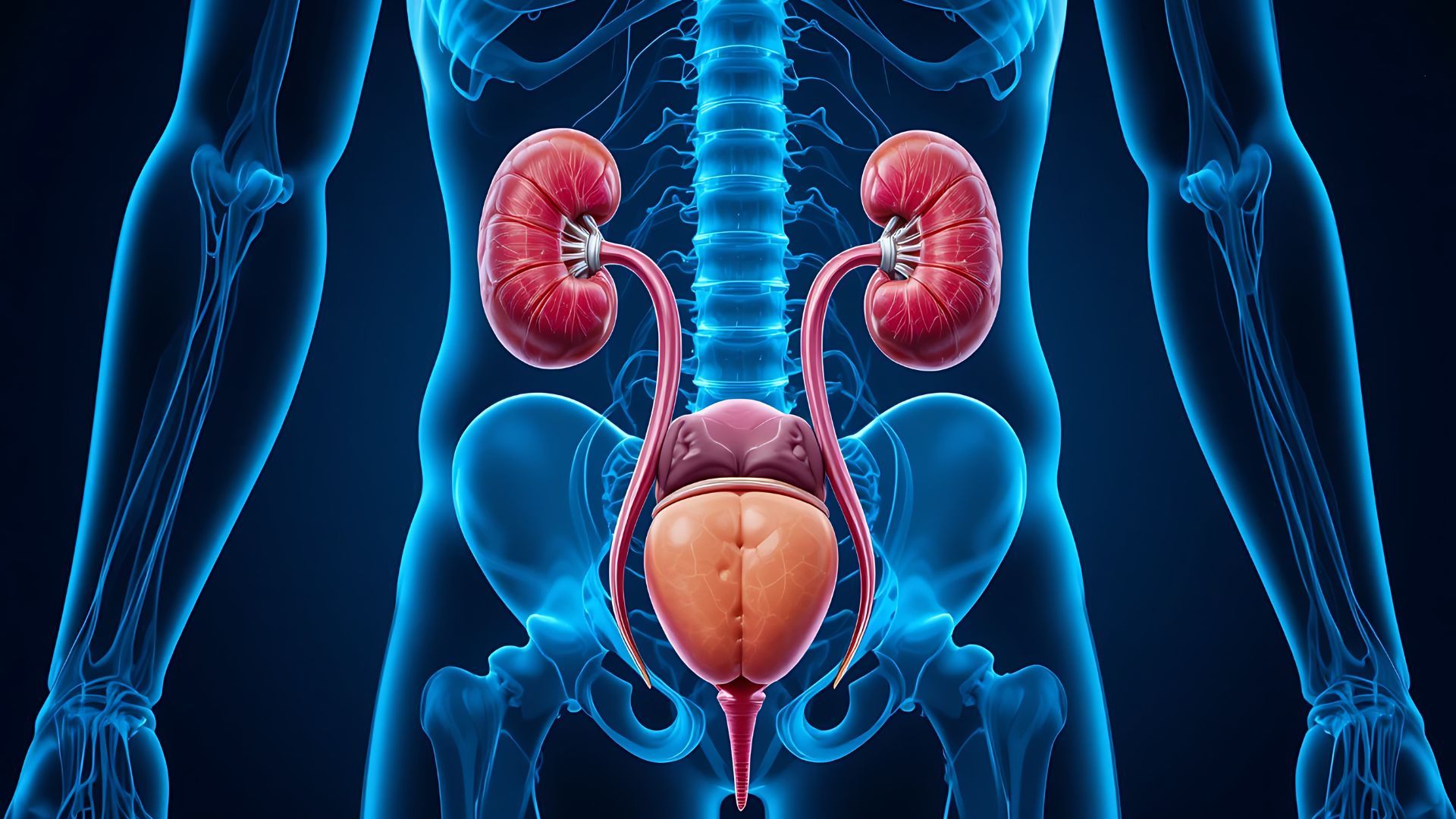
Healthy kidneys remove waste and unwanted salts through urine. When kidneys stop working efficiently, toxins build up in the body. Over the time, this can affect the heart, bones, nerves and overall health of an individual.[1]
CKD is categorised in stages, from mild (Stage 1) to kidney (renal) failure (Stage 5). Early stages may lack symptoms, making routine health screening important for high-risk individuals.
Causes of Chronic Kidney Disease
Several medical conditions can damage the kidneys over the time.[2]
1. Diabetes
Diabetes is the leading cause of CKD around the world. Uncontrolled blood sugar levels can damage the tiny arteries and veins in the kidneys. It is termed diabetic nephropathy.
If one has uncontrolled sugar levels over the years, it can silently hamper kidney function.
2. High Blood Pressure
High BP can put extra strain on the body's blood vessels. The kidneys need the blood vessels to function properly. When blood pressure remains uncontrolled, it can narrow and weaken the blood vessels, thus reducing kidney efficiency.
3. Glomerulonephritis
It refers to inflammation of the glomeruli. It can occur after infections or due to immune system disorders. Inflammation hampers the filtration rate of waste material, leading to protein leakage in urine with compromised kidney function.
4. Autoimmune Disorders
Autoimmune conditions like lupus occur when the body's immune system attacks healthy tissues of the kidney. It leads to inflammation over time.
5. Genetic Conditions
Polycystic kidney disease (PKD) is an inherited disorder where fluid-filled cysts grow in the kidneys. These cysts gradually impair kidney function. Family history plays an important role here.
6. Certain Medications
Long-term use of painkillers, certain antibiotics or other medications can potentially damage the kidneys. One should use medicines under medical supervision.
Lifestyle Factors That Increases Risk
Medical causes are important, but lifestyle plays a major role too.
High salt intake
Processed food consumption
Smoking & drinking
Obesity
Sedentary lifestyle
Environmental factors also matter. Access to clean water, hygienic food, reduced exposure to toxins, etc, aligns with the broader goal of protecting both people and the planet.
Early Warning Signs of CKD
CKD is often called a "silent disease". However, some warning signs may appear[3]:
Swelling in feet or ankles
Fatigue or weakness
Change in colour of urine
Foamy urine
Persistent nausea
These symptoms are not exclusive to CKD, which is why routine blood and urine tests are essential for diagnosis. Regular health screening is particularly important if one has diabetes, high blood pressure or a family history of kidney disease.
How to Prevent or Slowdown CKD Progression?
While some causes are not reversible, progression can be slowed.[4]
Control Blood Sugar and Pressure
Maintaining target levels significantly reduces the risk of kidney damage.
Adopt Kidney-Friendly Habits
Reduce salt intake
Maintain a healthy weight
Stay physically active
Avoid smoking and drinking
Stay hydrated
Regular Health Screening
Simple tests such as serum creatinine, estimated GFR, and urine protein tests help in early detection of problems.
When to See a Specialist (Nephrologist or Urologist)
One should consult a Nephrologist / Urologist if:
Blood test results in compromised kidney function
Persistent presence of protein in urine
Uncontrolled blood pressure
Uncontrolled diabetes
Early referral leads to better planning and timely intervention. It also helps patients understand a treatment option before advanced disease stages develop.
Conclusion
This year, on World Kidney Day, let's work towards adopting healthy habits for our kidneys. Chronic kidney disease develops gradually but has serious consequences if ignored. Learn to manage diabetes, high blood pressure, autoimmune disorders and self medication will prevent future problems.
The good news is that early detection and lifestyle changes can make a significant difference. The theme " Kidney Health for All " means improving awareness, expanding access to health screening, strengthening healthcare systems and supporting sustainable medical innovation. Protecting kidney health ultimately protects the heart, blood vessels and overall quality of life. Taking small steps today can prevent major complications tomorrow.