


























What is Urology? Understanding Associated Diseases, Conditions, and Treatment Options
Introduction
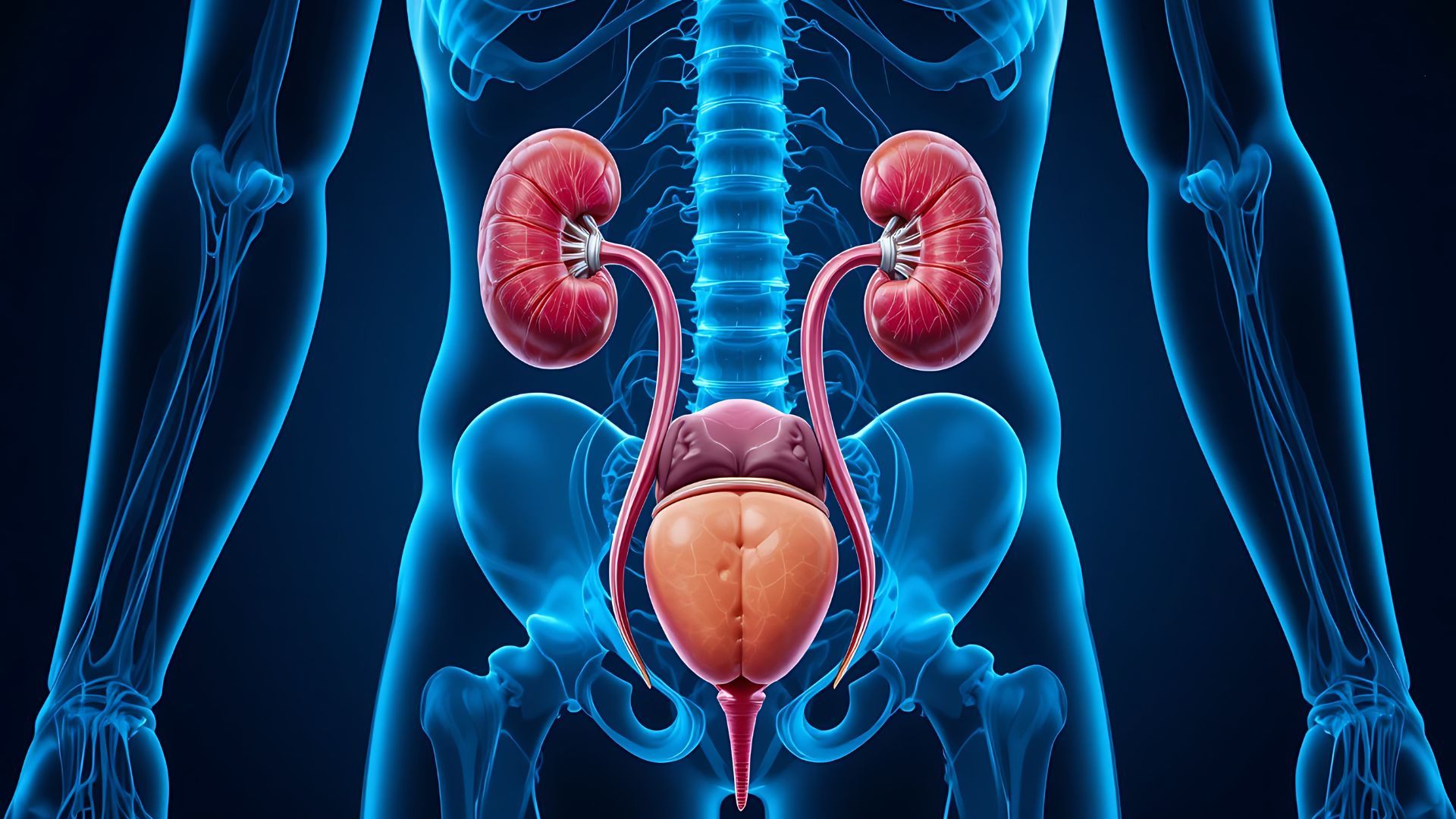
Urology is a field in medicine that is related to the diagnosis, treatment and management of urological conditions. It is related to the urinary tract system and male reproductive organ. Since the urinary system helps in filtering waste, maintaining fluid balance and ensuring overall health, any issue in this area can affect daily life. A urologist is a specialist who provides care for a wide range of conditions, from common infections to complex surgical problems related to the urinary tract and male reproductive organs.
Scope of Urological Care
The field of urology is extensive as it covers conditions in men and women with a special branch in paediatrics.[1] In men, urologists treat issues involving the kidneys, bladder, prostate, testes and penis. In women, urology care focuses on UTIs, any disorder, bladder-related issues and pelvic floor conditions. Urology also has a role in pediatric care. Here, it addresses birth defects in children.
Urologists also treat cancers related to the urinary tract and male reproductive system.
Common Conditions in Urology that Affect the Urinary Tract and Reproductive System
Urological conditions may range from mild to severe. Some of the urological conditions include:
Urinary Tract Infections (UTIs): This is common in both - men and women. UTIs can cause pain and inflammation while urinating.
Kidney Stones: It is a hard deposit or calcification of minerals that settles in the kidneys, often causing severe pain and discomfort.
Prostate Conditions: Benign prostatic hyperplasia (BPH) and prostate cancer are common in older men.
Incontinence: Loss of bladder control, more common in women, especially after childbirth or menopause.
Male Infertility: Conditions affecting production or delivery of sperm may require specialised urological evaluation.
Cancers: Kidney, bladder, testicular and prostate cancers fall under urological care.[1]
Diagnostic Tests Used in Urology
Getting an accurate diagnosis helps in treatment. For this, the urologists have to use different tests and imaging techniques, such as:
Urine Tests: It is a lab test to detect any infections, presence of blood or other abnormalities in urine.
Ultrasound & CT Scans: Imaging methods to identify kidney stones, tumours or structural issues.
Cystoscopy: A procedure where a fine tube with a camera at the distal tip is inserted into the bladder to examine its lining.[2]
Urodynamic Testing: This helps to measure bladder function and urine flow.[2]
Prostate-Specific Antigen (PSA) Test: A blood test to screen the prostate health issues.
Treatment Options for Urological and Urinary Health Issues
Urological treatments depend on the condition's severity and the patient's needs. Options may include:
Medications: Antibiotics for infections, alpha-blockers for prostate enlargement and vasodilators / pain relievers for kidney stones.
Minimally Invasive Procedures: Laser therapy for stones or tumours and laparoscopic surgeries for faster recovery.
Surgeries: Resection of enlarged part of prostate (TURP), kidney transplant, restructuring of bladder / bladder sphincter.
Lifestyle Modifications: Several changes in diet, managing fluid intake and pelvic floor exercises alongside medical treatment.
When to consult a Urologist
One should consider visiting a urologist if a person experiences any of the following signs or symptoms. The table below highlights common alarming signs and what they could mean:
Symptom | Possible Urological Disease | Why See a Urologist |
Blood in urine (Hematuria) | Kidney stones, infection in kidney or cancer | Needs immediate evaluation to rule out any possible disease condition |
Frequent or painful urination | Urinary tract infection, bladder issue, prostate condition | To diagnose and treat before it worsens |
Severe lower back or abdominal pain | Kidney stones or infection | Urologist can recommend scans and treatments to offer symptomatic relief |
Difficulty in passing urine or discomfort
| Kidney stone, prostate enlargement (BPH) or urethral blockage | Early intervention prevents complications |
Erectile dysfunction or infertility | Hormonal imbalance, prostate issue, or reproductive disorder | Urologist can suggest medical or surgical solutions |
Swelling in groin, testicles, or abdomen | Hernia, testicular cancer, or urinary obstruction | Quick consultation helps with timely treatment |
Preventive Care Tips for Better Urinary and Reproductive Health
In order to maintain good urological health and to avoid urological diseases, it often comes down to simple preventive steps:
Staying well hydrated to support kidney and bladder function.
Maintain a balanced diet that is rich in fruits and vegetables, while limiting salt and processed foods.
Practice good genital hygiene to reduce the risk of infection.
Avoid smoking, as it may increase the chances of bladder and kidney cancers.
Get a regular health check-up, especially for men over 40. It can detect prostate issues early.
Regular exercise to support healthy blood flow in urinary tract and pelvic muscles.
Advancements in Urology Treatments and Technology
As medical technology advances, so does urological care. There are some innovations in the technology, including:
Robotic-Assisted Surgery: It enhances precision in procedures like prostatectomy or kidney transplant surgery.
Laser Lithotripsy: Minimally invasive surgery to deal with kidney stones.
Biomarkers & Genetic Testing: Allow earlier detection of cancer and hereditary disease conditions.
Minimally Invasive Urology Devices: Newer treatment modalities make procedures safer and effective ensuring speedy recovery.
Improved Prosthesis: Innovative implants for male infertility or erectile dysfunction improve quality of life.
Conclusion
Urology is a specialisation in medicine that helps individuals manage conditions affecting the urinary tract. From simple infections to advanced surgical treatments, urologists helps to improve urological health and offers better quality of life. When one is aware of symptoms, adopt preventive habits and consult a urologist at the right time, it can help long-term urinary and reproductive wellness.