




















Contraception: Why Women's Health Goes Beyond Pregnancy Prevention
Introduction
Traditionally, contraception has been framed only as a tool for pregnancy prevention. But the narrative is changing. Today, contraception is increasingly recognised as central to women's health, autonomy, and empowerment, and it enables you to make informed decisions. There are 164 million women around the world who have unmet needs for contraception.[1] This gap affects health, stability, and opportunity far beyond pregnancy alone.
Beyond Pregnancy Prevention: The Wider Health Benefits
Contraception does far more than prevent pregnancy. Certain contraceptive methods bring health advantages, such as:
Regulating menstrual cycles
Reducing painful periods
Lowering the risk of ovarian cancers[2]
Managing symptoms of conditions like endometriosis or polycystic ovary syndrome (PCOS)
These benefits make contraception a health management tool rather than just a birth control method.
How Contraception is linked with Emotional Well-Being
While sexual well-being is the primary focus of contraception, there is also a link to your emotional health, and it often gets left out of the conversation. Contraception can positively impact emotional well-being. For many women, knowing that they can avoid unplanned pregnancy reduces anxiety and stress.
Contraceptives give you the ability to help:
Reduce the added emotional pressure linked to family or partner expectations
Give you confidence in decision-making about future planning
However, it's also important to know that hormonal contraception may have side effects that affect mood. Having an open conversation with our doctor and making an educated choice is key.
Breaking the Myths around Contraceptive Use
Even as conversations around contraception become more open, myths still linger. Some common misconceptions include:
Myth: Contraceptives cause infertility.
Fact: Most methods are reversible. Fertility usually returns after stopping.
Myth: Only women need to worry about contraception.
Fact: Shared responsibility between partners is vital.
Myth: Contraception is unsafe for long-term use.
Fact: Many methods are clinically proven safe for extended use.
Myth: Natural methods are always reliable.
Fact: Effectiveness varies greatly, making professional guidance important.
Dispelling these myths helps build trust and encourages wider acceptance.
Different Types of Contraception Available Today
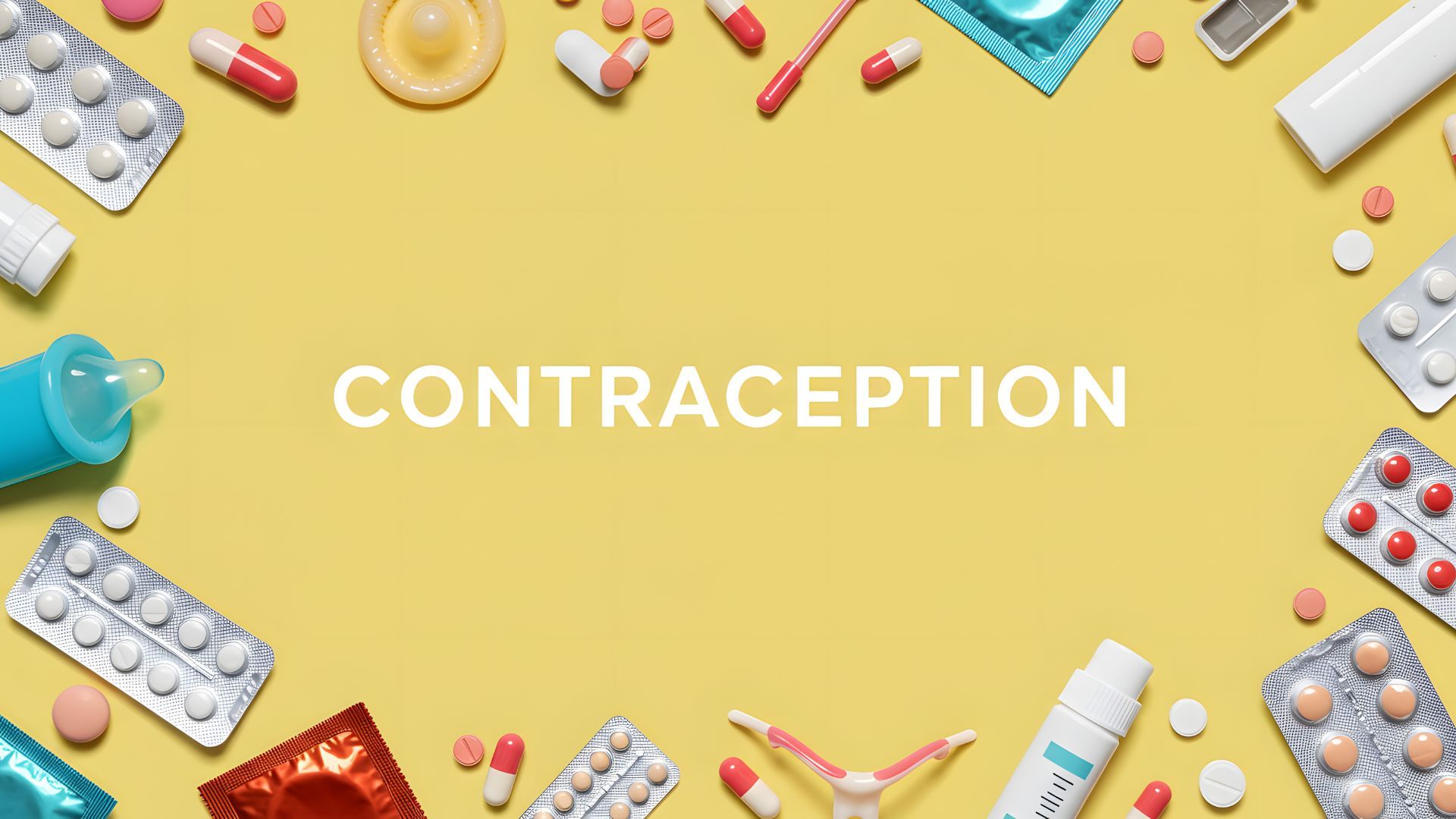
Contraceptive choices today are more varied than ever before, allowing women and couples to pick what works best for their lifestyle and health. The contraceptive methods can broadly be grouped as:
Barrier methods: condoms, diaphragms
Hormonal methods: pills, patches, injections, implants[3]
Intrauterine devices (IUDs): hormonal or copper-based
Permanent methods: tubal ligation or vasectomy for men
Natural methods: knowing your menstrual cycle, ovulation and abstinence during fertile periods
Choosing the right method depends on health needs, long-term plans, and comfort levels.
How Family Planning Strengthens Communities and Economies
Family planning has benefits that go beyond just one person and their partner. It also impacts the community and nation, as it also sees positive ripple effects when contraception is accessible:
Better maternal and child health: reduced risks of complications from closely spaced pregnancies
Improved education rates: especially among girls, who can avoid early pregnancies
Economic growth: higher workforce participation and fewer financial strains on families
Social stability: planned families are less likely to be stressed, and parents are able to provide better opportunities for their children
Meril Life's Role in Supporting Reproductive Health
As part of its ongoing commitment to healthcare, Meril Life supports women's reproductive choices with a range of long-acting, reversible contraceptives (LARCs). It includes MeriTe Cu copper IUDs, Erinna and Fiona, levonorgestrel-releasing devices that are inserted in the uterus by a qualified doctor.
Along with the products, Meril Life drives clinician training and community awareness to dispel myths, improve access, and ensure safe use across India’s diverse settings. By combining innovation with education, Meril Life empowers women to make informed, confident decisions about their health and futures.
The goal is to make contraception safe, reliable, and accessible for all men and women by focusing on innovation, education, and outreach.
These efforts are directed towards:
Raising awareness about modern contraceptive options
Encouraging informed choices through education
Supporting communities in addressing misconceptions
From Awareness to Action
It is about action, ensuring women have the right tools, support, and knowledge to manage their health beyond pregnancy prevention. Contraception is not just a choice. It is a lifeline to autonomy, health, emotional well-being, and stronger communities. This year, let's move from conversation to collective action.
FAQs
1. Why does contraception help women's health?
It helps to plan pregnancy and also gives you wider health benefits like managing periods, and improving the quality of life.
2. Do IUDs protect against sexually transmitted infections (STIs)?
No. IUDs do not protect against STIs. Condoms are still needed to reduce the risk of sexually transmitted infections.
3. Does contraception affect fertility long-term?
No. Most contraceptive methods are reversible, and fertility usually returns after stopping them, unless there are underlying infertility conditions.
4. What is the safest contraceptive method?
Condoms are usually the safest. However, safety depends on individual health conditions. Consulting a healthcare provider is the best way to make an informed decision.
5. Can I use menstrual cups with an IUD?
Yes, but caution is advised. Ensure correct placement and gentle removal to avoid accidentally pulling on the IUD strings.