Early Signs of Cataract: When Blurry Vision Shouldn't Be Ignored
Introduction
Have you ever noticed that things look a little foggy, even when you're wearing your glasses? Or those bright lights seem to have a strange halo around them at night? Many of us tend to brush these things off as tiredness or just "getting older." But sometimes, these subtle changes in your vision are your eyes sending you a message, and it's worth paying attention.
Blurry vision is one of the most common complaints people live with quietly for years. In many cases, it turns out to be an early sign of cataracts, a condition that affects millions of people worldwide and is, thankfully, very treatable when caught in time.
What Is a Cataract?
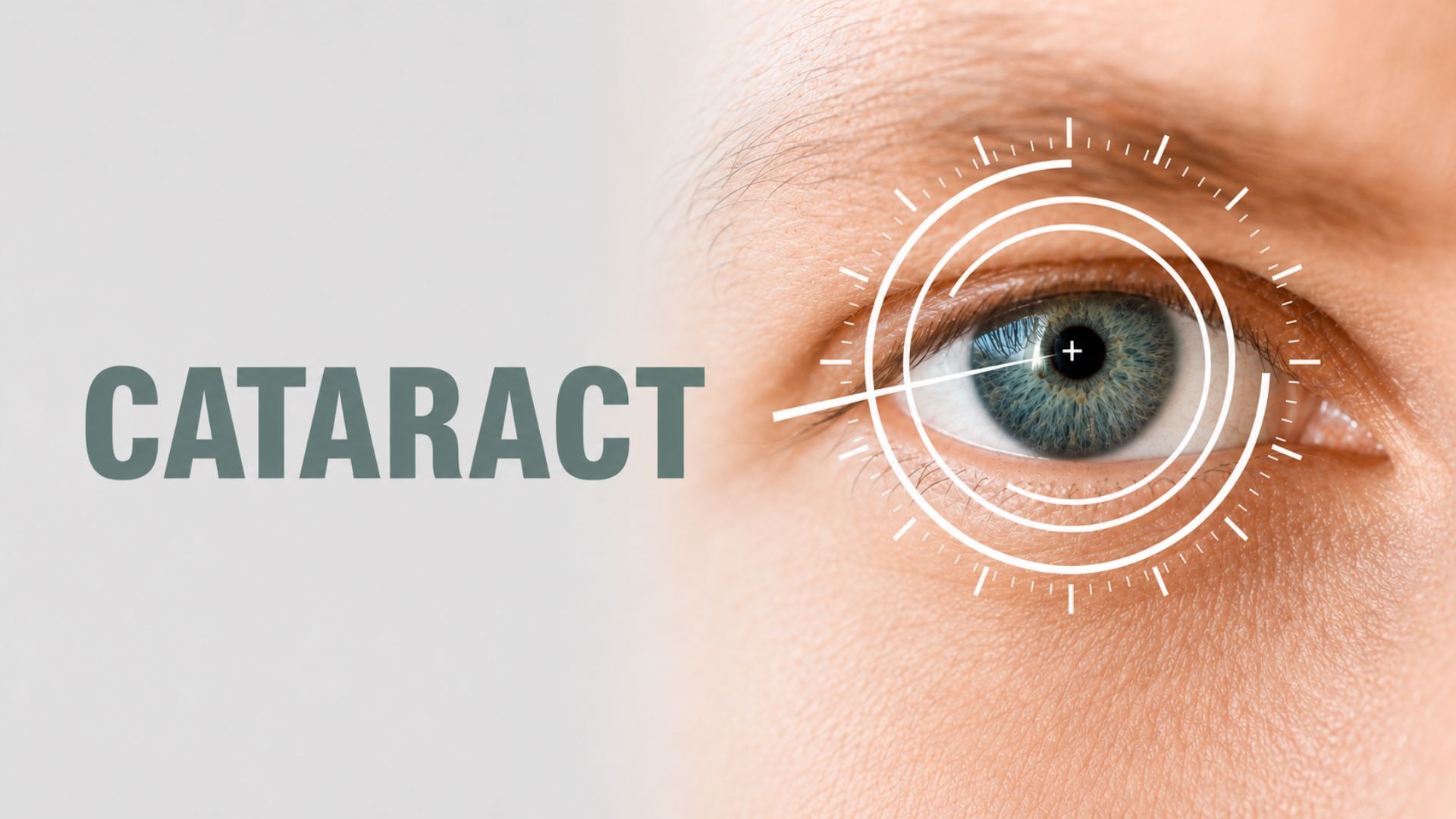
Think of the lens in your eye like a clean glass window. It lets light pass through clearly so that you can see sharp images. Now imagine that window slowly fogging up or frosting over. That's what a cataract does. The natural lens will start to become cloudy, blocking or distorting the light passing through, making your vision blurry, dim, or hazy.
Cataracts don't happen overnight. They develop slowly, often over years, which is why many people don't realise something is wrong until the condition has already progressed.[1]
How Cataracts Develop in the Eye?
Your eyes work hard every single day, and that wear starts to show. Cataracts don't have one single cause; they develop through a combination of age, lifestyle, and sometimes factors completely outside your control. Here's what can set them in motion[2]:
Age-Related Changes in the Eye: After 40, the proteins in your eye's lens naturally begin to break down and clump together, slowly clouding the lens over time.
Diabetes: High blood sugar levels alter the lens's chemical composition, accelerating the onset of cloudiness.
Prolonged Sun Exposure: UV rays can gradually damage the eye's lens, making sunglasses a good choice outdoors.
Smoking: It increases oxidative stress inside the eye, accelerating the very process that leads to lens clouding.
Eye Injuries or Previous Eye Surgery: Eye trauma can accelerate cataract formation, sometimes years after the initial injury.
Certain Medications: Long-term use of steroids, in particular, is a well-documented risk factor for early cataracts.
Family History: If cataracts run in your family, your likelihood of developing them earlier or more severely is higher.
Early Signs of Cataracts
Many people get caught off guard, as early cataracts can be quite sneaky. The symptoms are often mild and easy to dismiss. Here are the signs you should watch out for[3]:
Blurry or cloudy vision that doesn't fully correct with glasses.
Difficulty seeing at night, especially while driving.
Sensitivity to light, where bright lights or sunlight feel unusually harsh.
Seeing halos around lights, like streetlights or headlights.
Frequent changes in your glasses prescription, needing stronger lenses more often than usual.
Double vision in one eye is an early sign in some cases.
If you notice even one or two of these changes persisting over time, it's a good reason to get your eyes checked.
How Cataracts Can Affect Daily Life
You might squint a bit more or need more light when reading. But as the cloudiness progresses, it starts interfering with things you do every day; reading, cooking, recognising faces, watching TV, or driving safely. For older adults, especially, reduced vision can also increase the risk of falls and accidents.
When to See an Eye Specialist
A good rule of thumb: if your vision is bothering you, don't wait. You don't need to have all the symptoms listed above. Even one persistent symptom is enough reason to visit an eye doctor.
Symptoms that should not be ignored include:
Sudden blurring or loss of vision (even temporarily)
Seeing flashes of light
Rapid worsening of your prescription
Eye pain or redness alongside vision changes
Halos and glare that make driving dangerous
These could indicate cataracts or other conditions that need prompt attention. The sooner you seek help, the better your options.
The Importance of Regular Eye Examinations
Most eye conditions, including cataracts, progress silently. A simple, painless eye check-up can detect changes in your lens long before you start struggling to see clearly. Eye specialists generally recommend:
A routine eye check every 1–2 years for adults over 40
Annual checks for those with diabetes, hypertension, or a family history of eye conditions
How Cataracts Are Diagnosed
When you visit an eye specialist for suspected cataracts, they will perform a series of straightforward tests. Here's a quick overview:
Test | What It Checks |
Visual Acuity Test | How clearly can you read letters at different distances |
Slit-Lamp Examination | Detailed view of the lens structure using a special microscope |
Retinal Examination | Checks the back of the eye after dilating the pupil |
Tonometry | Measures eye pressure to rule out glaucoma |
Contrast Sensitivity Test | Checks your ability to distinguish shades, which are often affected by cataracts |
These tests are non-invasive and give the doctor a clear picture of how advanced the cataract is and how it is affecting your vision.
Treatment Options for Cataracts
In the early stages, cataracts may be managed with updated glasses, brighter lighting, and anti-glare lenses. However, when the cataract becomes severe enough to impact daily life, surgery is the only definitive treatment.
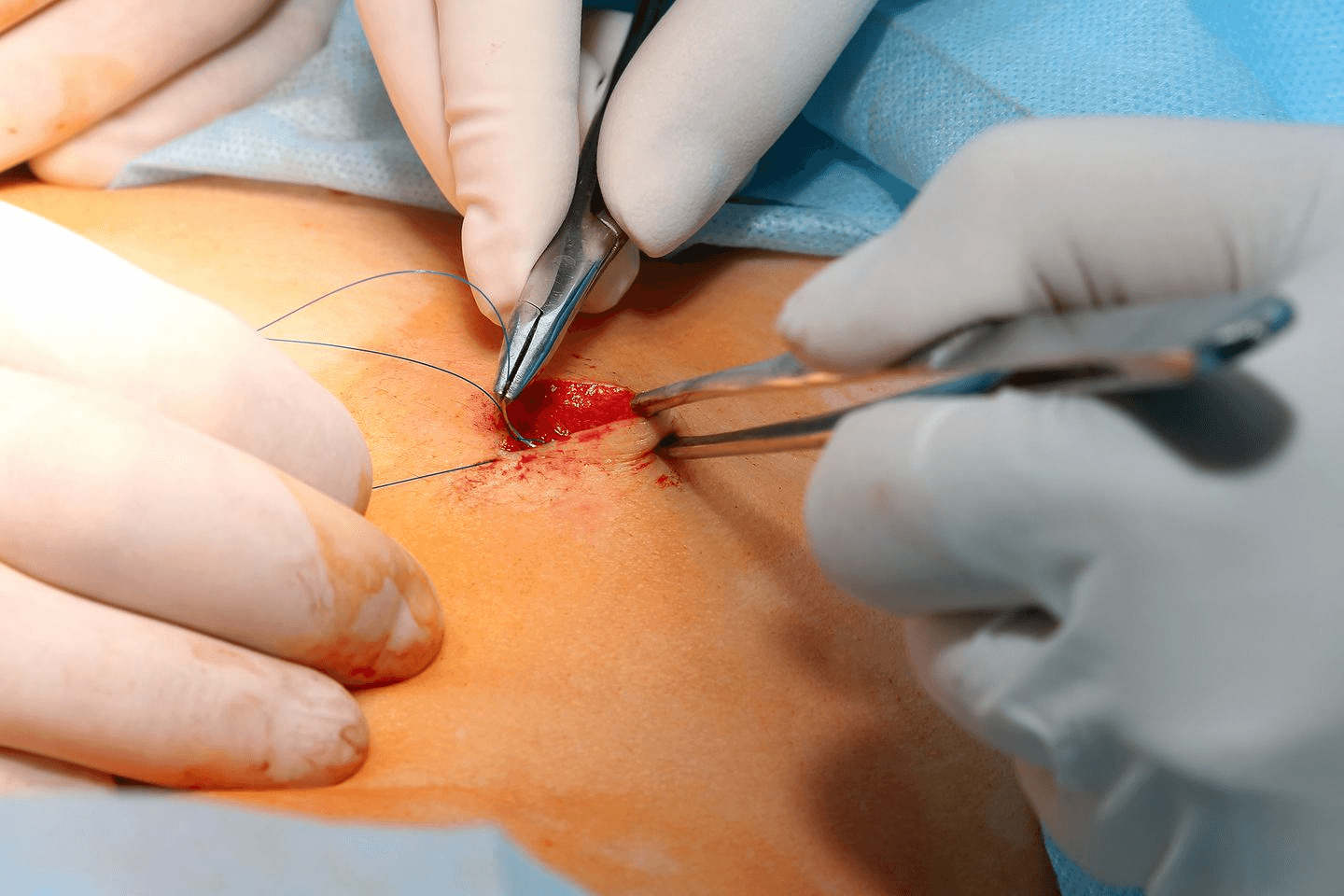
Cataract surgery involves replacing the clouded natural lens with a clear artificial lens. Most modern cataract surgeries are minimally invasive, performed through a tiny incision, and completed in under 30 minutes. Precision matters enormously in eye surgery, where tissues are delicate, and the margin for error is small. It is where the quality of surgical tools is.
Meril's ophthalmic-grade sutures, including FILAXYN™, a monofilament absorbable suture used in ophthalmic procedures) and FILASILK™, indicated for ophthalmic tissue approximation, are designed to meet these demanding requirements, offering wound support, excellent handling, and secure closure.
Recovery after cataract surgery is generally quick, with clearer vision within a few days and a return to normal activities within a week or two.
Conclusion
Cataracts are incredibly common, but they're also among the most manageable eye conditions when caught and treated early. That slight blurriness, that glare at night, that faded colour in the world around you, these are your eyes asking for help.
Don't normalise poor vision as just a part of ageing. You should schedule that eye check-up. Because clear vision isn't just about seeing, it's about living fully.