Heavy, Aching Legs: Could Vein Blockage Be the Reason?
Introduction
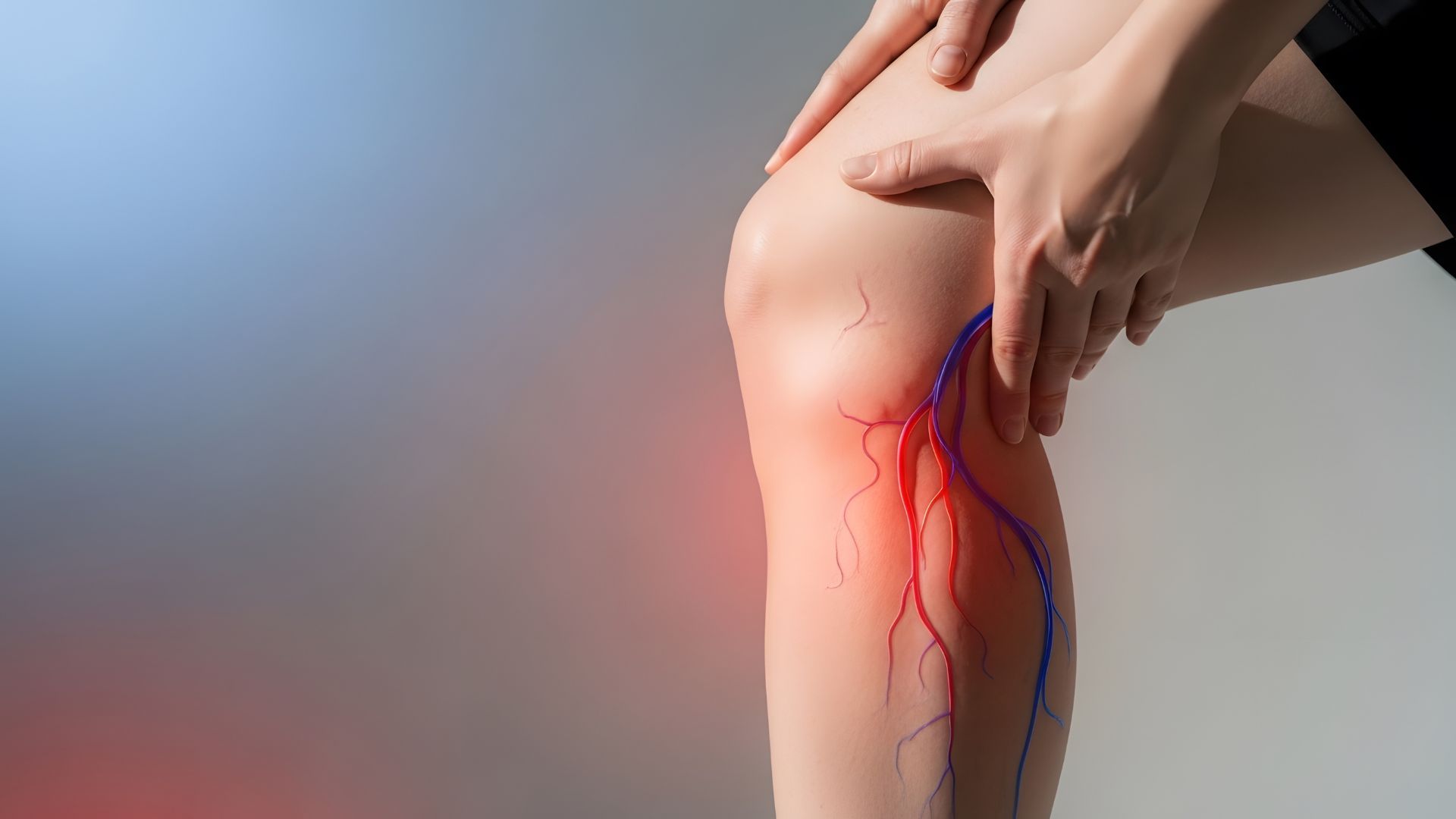
Do your legs often feel heavy by the end of the day? Maybe there’s a dull ache, mild swelling around the ankles, or a feeling that your legs don’t have the same energy anymore. Many people brush this off as tiredness, ageing, or long hours of standing or sitting. But sometimes, heavy aching legs can point to something deeper; your veins may be struggling to do their job properly.
Your veins work silently every day, pushing blood back up to the heart against gravity. When this system weakens or becomes blocked, blood can begin to pool in the legs, leading to discomfort and visible changes. In this blog, we’ll explore what causes heavy, aching legs, how vein blockage or venous insufficiency plays a role, and when it’s time to take action.
What Causes Heavy and Aching Legs?
Heavy, aching legs are surprisingly common, especially if you spend long hours on your feet or seated at a desk. Some everyday causes include muscle fatigue, dehydration, or temporary swelling. However, when the feeling becomes persistent or worsens over time, veins are often involved.
Your leg veins rely on small valves that keep blood flowing upward. If these valves weaken or fail, blood can flow backwards, and the blood may collect in the lower legs. This increased pressure leads to that familiar heaviness, throbbing, or tiredness, especially in the evening.
For example, if you notice your legs feel fine in the morning but start aching after work, it could be a sign that your veins are under strain rather than simple muscle tiredness.
Understanding Vein Blockage and Venous Insufficiency
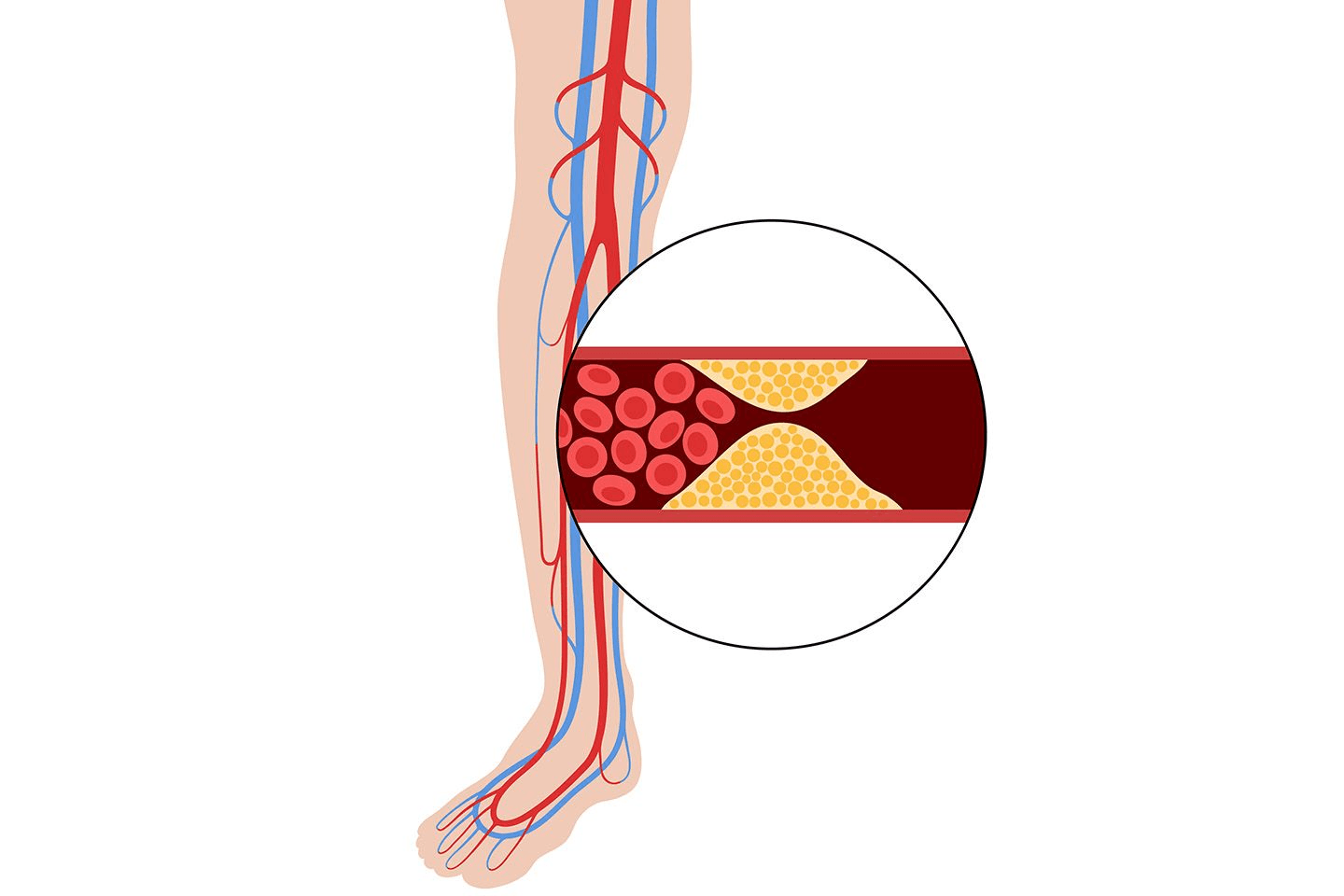
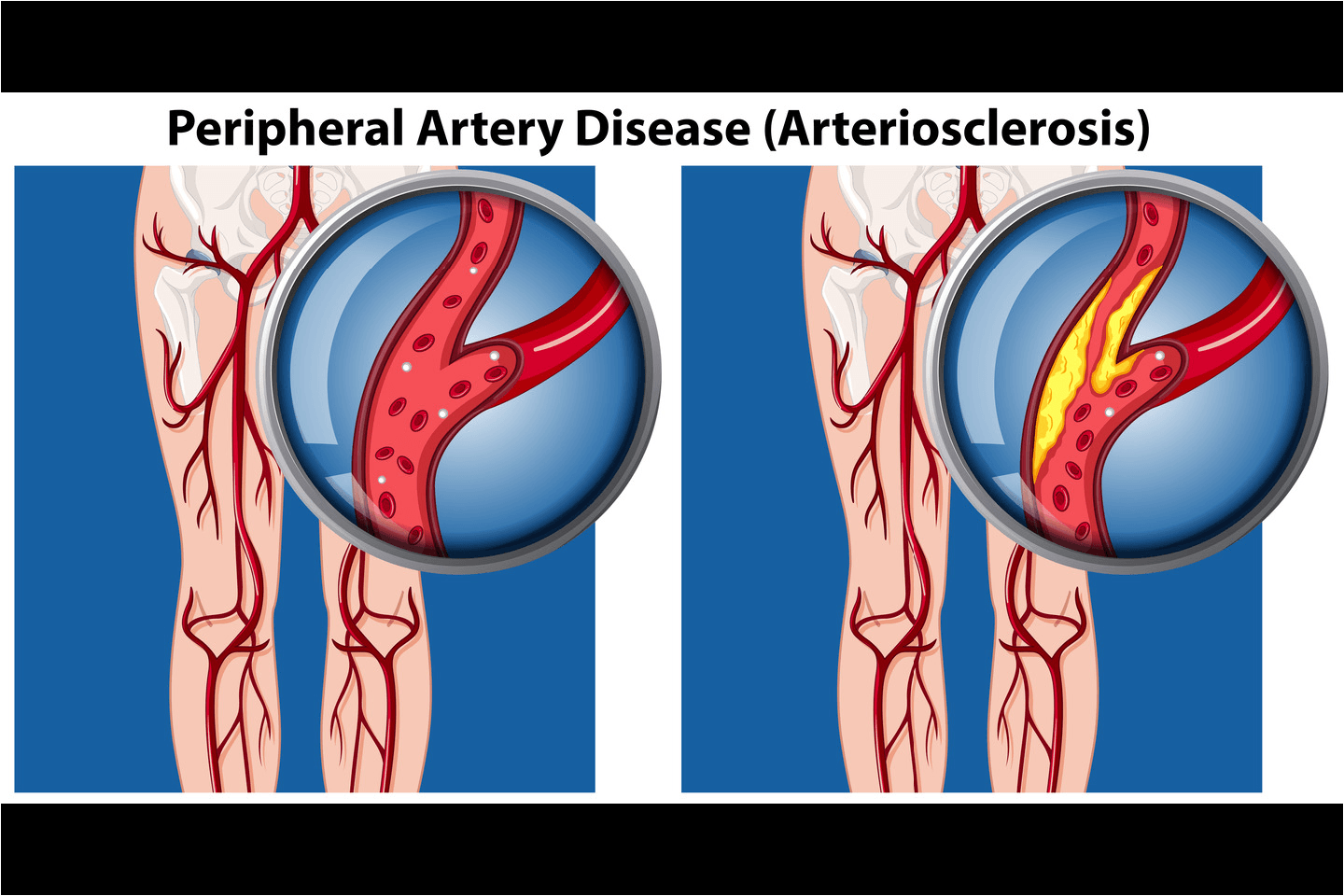
Vein blockage doesn’t always mean a complete obstruction. In many cases, it refers to chronic venous insufficiency (CVI), a condition where veins cannot efficiently return blood to the heart.[1]
When veins become weak or damaged, blood starts pooling in the legs instead of flowing upward. Over time, this pressure causes swelling, pain, skin changes, and visible veins. Unlike sudden clots, venous insufficiency develops slowly, which is why many people ignore the early signs. Think of it like a traffic jam in your veins. Blood keeps arriving but doesn’t move out efficiently, leading to congestion in the legs.
Leaky or Blocked Veins in Legs? Symptoms You Should Not Ignore
Leaky veins are a common way people describe venous insufficiency. The “leak” refers to faulty valves that allow blood to flow backwards. Some warning signs include:
Persistent heaviness or aching in the legs
Swelling around the ankles or calves
Cramping or restlessness, especially at night
Skin itching, dryness, or darkening near the ankles
A feeling of tightness after standing for long periods[2]
If you’ve ever felt relief after elevating your legs or wearing compression stockings, that’s another clue your veins may be struggling.
Ignoring these signs may allow the condition to progress, making treatment more complex later on.
When to Worry About Varicose Veins
Varicose veins are enlarged, twisted veins visible just under the skin. While many people see them as a cosmetic issue, they can indicate underlying venous disease.
You should be more concerned if varicose veins are accompanied by pain, swelling, skin changes, or frequent leg fatigue. Sometimes, if you leave it untreated, varicose veins can lead to further complications.
For instance, if standing for even short periods causes discomfort or if your legs feel unusually heavy after mild activity, it’s worth consulting a vascular specialist rather than ignoring it.
Veins Popping Out of Legs Suddenly: What Could It Mean?
Seeing veins pop out suddenly can be alarming. It can occur due to temporary factors such as exercise, heat, or dehydration. However, if prominent veins appear without a clear reason and remain visible, it may indicate increased pressure inside the veins.
Sudden visibility can also occur when venous valves weaken further, forcing veins to stretch and become more noticeable. If this change is accompanied by pain, warmth, or redness, medical evaluation is important to rule out vein-related complications.
Bulging Veins in Legs Not Always Varicose
You should know that not all bulging veins are varicose veins. Some may be normal surface veins, especially if you are thin/lean; these are prominent. Others could be related to increased blood flow demands or posture-related pressure.
However, bulging veins, when combined with symptoms such as heaviness, aching, or swelling, often signal venous insufficiency. The key difference lies in symptoms; painless veins are usually harmless, but painful or progressively enlarging veins deserve attention.
Diagnosis: How Vein Problems Are Identified?
Diagnosing vein problems is usually straightforward and non-invasive. Doctors will examine your legs, and then you will have to describe and discuss your symptoms. The most common diagnostic tool is Doppler ultrasound, which shows blood flow direction and valve function in real time.
This test helps identify reflux (backward flow), vein blockage, or weakened valves. Early diagnosis makes a significant difference, as treatment can begin before complications develop.
Varicose Veins and Venous Insufficiency Treatment Options
The treatment depends on the severity of the condition. Mild cases may improve with lifestyle changes such as regular walking, weight management, leg elevation, and compression therapy. If it is an advanced case, then the doctors usually prefer to use minimally invasive procedures. These aim to close or support faulty veins, allowing blood to reroute through healthier pathways.
During such interventions, high-quality vascular devices play a crucial role in ensuring precision and safety. Meril’s advanced tools, like the peripheral balloon catheters, are designed to support effective vein treatment by helping restore proper blood flow with minimal trauma to surrounding tissues. These devices are widely used in modern vascular procedures to improve patient outcomes while reducing recovery time.
Your doctor will recommend the most suitable approach based on your condition, symptoms, and overall health.
Conclusion
Heavy, aching legs are not something you should live with or ignore. While fatigue and lifestyle factors can play a role, persistent discomfort often points to vein-related issues, such as venous insufficiency or vein blockage.
The good news is that vein problems are highly manageable when identified early. Paying attention to symptoms, seeking timely diagnosis, and following appropriate treatment can significantly improve comfort, mobility, and quality of life. If your legs have been trying to tell you something, it may be time to listen.