






















Can a Hernia Heal Without Surgery? Facts vs Myths
Introduction
If you've been diagnosed with a hernia, one of the first questions that likely crossed your mind is whether it can heal on its own. Many people hope to avoid surgery and look for natural or non-surgical ways to manage the condition. Friends, family, and the internet often offer mixed advice, which can be confusing and sometimes misleading.
In this blog, we will bust common misconceptions about hernia healing with medical facts. By the end, you should have a clearer understanding of what's true, what's not, and why proper medical guidance matters.
Why Hernia Myths Are So Common?
Hernia myths spread easily because symptoms can vary from person to person. Some people live with mild discomfort for years, while others may develop a sudden pain or complication. The differences in how people experience a hernia are what can lead to assumptions.
Here are some common reasons myths persist:
Hernias may not cause pain initially
Temporary symptom relief feels like healing
Old home remedies passed down through generations
Online advice without medical backing
Because a hernia can appear manageable at first, it's easy to believe it's harmless or reversible. Unfortunately, this isn't how hernias actually work.
Common Myths about Hernia Healing
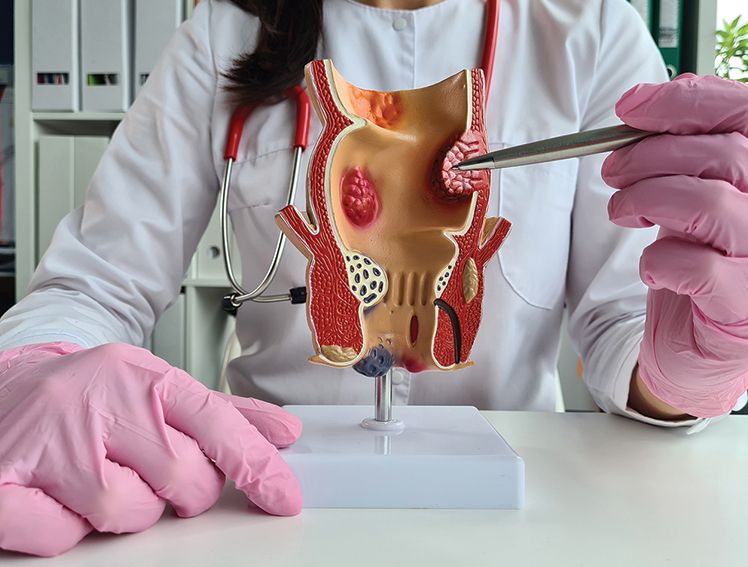
Before addressing individual myths, it's important to understand what a hernia really is. A hernia occurs when an internal organ or tissue protrudes through a weak spot in the muscle or connective tissue. That weakness does not usually heal on its own.
Misunderstandings arise when symptom control is mistaken for healing. Let's look at the most common myths one by one and separate comfort measures from true treatment.
Myth 1: Hernias Can Heal Without Medical Treatment
It is one of the most widespread beliefs. While symptoms may come and go, the actual defect in the muscle wall remains. Hernias do not "close up" naturally.
Key medical facts:
The muscle weakness does not regenerate on its own.
Hernias tend to stay the same or slowly enlarge.
If treatment is delayed, it may increase the risk of complications.
Think of a hernia like a tear in fabric. You can temporarily smooth it, but the tear itself will remain unless repaired. So, hernias cannot heal themselves, with the exception of umbilical hernias in babies.[1]
Myth 2: Proper Rest and Exercise Can Cure a Hernia
Rest and gentle exercise are often recommended for general health, but they cannot cure a hernia. At best, they may reduce strain and ease discomfort. On the other hand, certain movements, depending on the type of hernia, can worsen it.
What exercise can and cannot do:
It can improve overall fitness
It can help to reduce pressure from excess weight
It cannot repair muscle defects
It cannot push/ fix a hernia permanently
Doctors may suggest specific activities to avoid worsening symptoms, not to eliminate the hernia itself.
Myth 3: Belts or Trusses Fix Hernias
Hernia belts or trusses are sometimes marketed as a solution to 'fix' hernias, but they only offer temporary support. They press the bulge inward but do not repair the underlying weakness of the muscle or tissue.
Limitations of belts and trusses include:
Short-term symptom relief only
Risk of skin irritation
The possibility of masking worsening hernias
You can use it temporarily in specific cases when your doctor suggests it, but it is not a cure.[2]
Myth 4: If It Doesn't Hurt, It's Not Serious
Pain is not the best indicator of hernia severity. Many hernias cause little or no discomfort initially but can still lead to serious complications.
Important points to remember:
A painless hernia can still enlarge.
Sudden pain may signal that the complications are worsening and you should visit a doctor.
Waiting for pain may delay timely care.
Some of the most dangerous hernia complications begin silently and worsen quickly if untreated.
Myth 5: Alternative Therapies Can Permanently Heal Hernias
Many people think that therapies like massage, herbal remedies, or posture correction are possible natural 'cures'. While they may improve comfort, they cannot close a muscle defect.
No alternative therapy repairs hernia openings
Symptom relief does not mean that the hernia is healing
Delayed surgery may increase risks
These approaches should never replace proper medical evaluation or treatment.
When Surgery Becomes Necessary
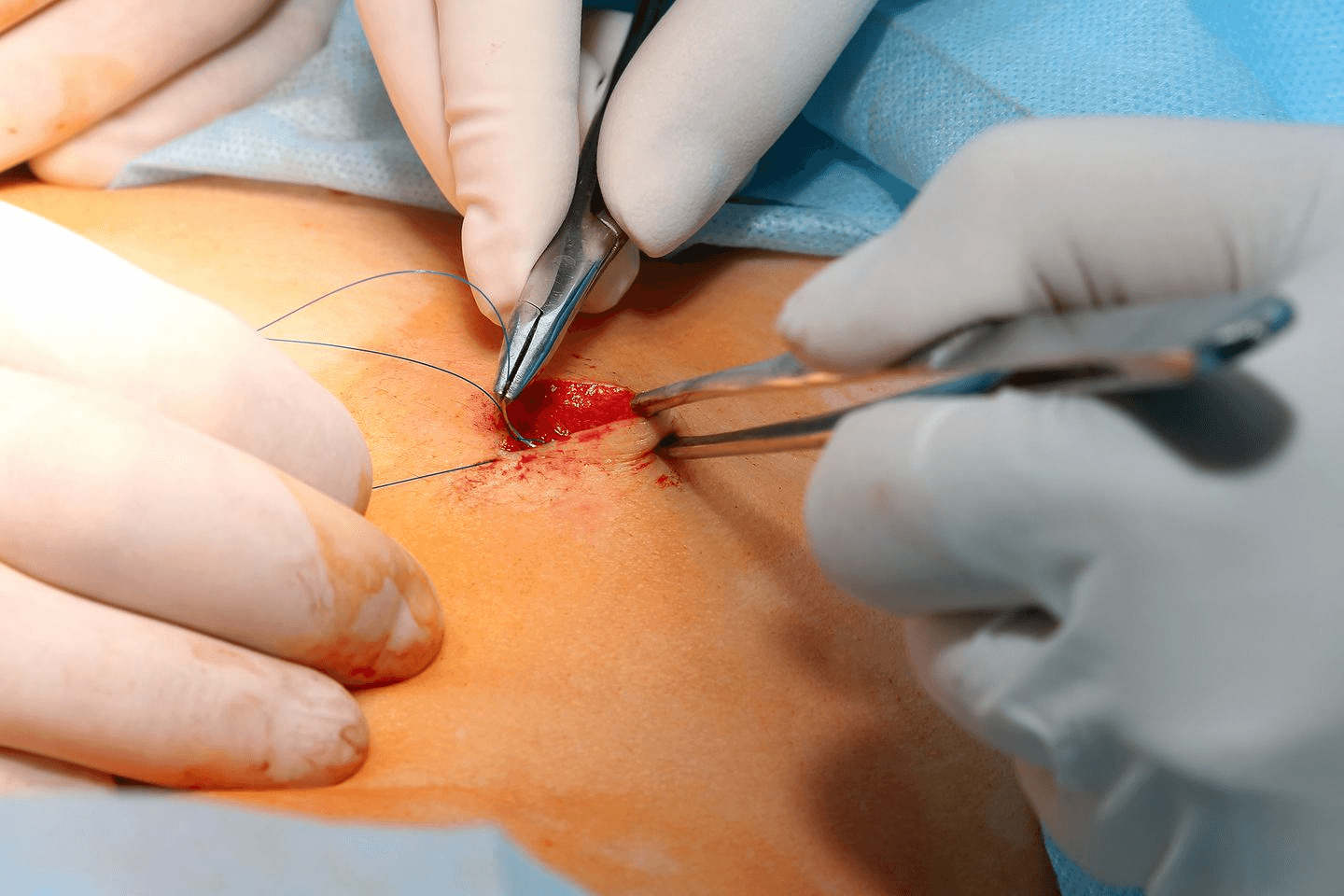
Surgery is currently the only definitive treatment for a hernia. The procedure reinforces the weakened area and prevents organs from pushing through again.
Modern hernia repair focuses on:
Strengthening the abdominal wall
Reducing recurrence risk
Supporting faster recovery
Meril's advanced surgical mesh, Filaprop 3D, is designed to provide better anatomical fit and long-term support during repair, helping surgeons achieve stable, durable outcomes.
Hernia Treatment Options at a Glance
Aspect | Non-Surgical Management | Surgical Repair |
Repairs muscle weakness | No | Yes |
Controls symptoms | Temporary | Long-term |
Prevents complications | No | Yes |
Recurrence risk | High | Lowered |
Medical recommendation | Limited cases | Standard treatment |
Comparing it highlights why surgery remains the gold standard for hernia treatment.
Conclusion: Separating Facts from Misconceptions about Hernias
Hernias cannot be fixed on their own, even if the symptoms seem mild or manageable. There are many myths that lead to confusion. You may get temporary relief without actually addressing the root causes, leading people to delay proper care. While lifestyle changes can help manage discomfort, they cannot fix the underlying problem.
Knowing the facts helps you make informed decisions and seek timely medical advice. Early evaluation often leads to simpler treatment and better long-term outcomes.