






















Differentiating Signs of Hernia Recurrence and Healing: Is It Normal to Feel Pressure After Hernia Surgery?
Introduction
After a hernia repair, about 30% of the hernia can recur.[1] And that's why understanding the difference between normal healing sensations and signs of hernia recurrence is essential to know when to look for medical help. After hernia surgery, it's normal to feel pressure and tightness around the operated area. However, knowing what is normal and what will need medical attention can help you make informed decisions during the healing process.
In this blog, you will understand what the signs of a recurring hernia are and what to expect after your hernia surgery.
When Post-Surgery Pressure Becomes a Cause for Concern
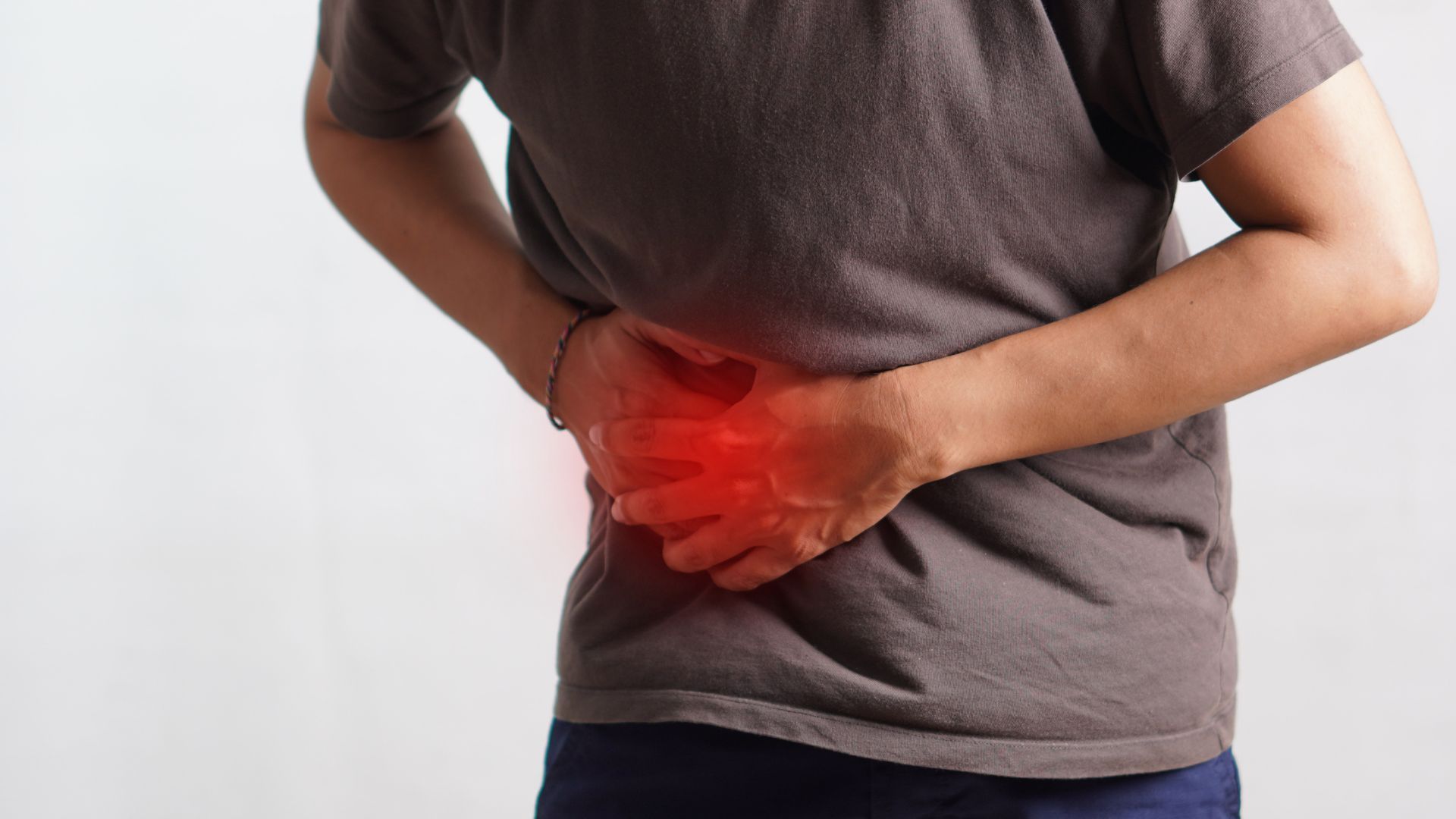
Pressure becomes worrying when it is paired with other symptoms. You should be cautious if you notice:
Increasing pain instead of gradual improvement
A visible or growing bulge near the surgical area
Persistent coughing pain
Redness, heat or fluid leakage from the incision
Nausea or vomiting[2]
Pressure that worsens during straining
These symptoms may suggest complications, in some cases, which can be signs of hernia recurrence.
Understanding Post-Surgery Sensations After Hernia Repair
After hernia surgery, your body undergoes several changes as the tissues heal. Many people experience:
Mild swelling
Tightness or pulling near the incision
A feeling of heaviness
Occasional sharp twinges
Slight numbness or tingling
All of these are normal and generally improve week by week.
Why do these sensations occur:
Your body is repairing and strengthening weak tissue.
Nerves irritated during surgery begin to heal.
Scar tissue forms and tightens slightly as it matures.
Muscles adjust after the hernia has been corrected.
Feeling some form of discomfort for a few weeks after surgery is common, but it should reduce gradually.
Why Pressure or Tightness Is Common During Healing
After a hernia surgery, often people worry about the pressure and tightness. You may feel this pressure because of:
Post-surgical swelling: Temporary and part of natural healing.
Scar tissue formation: Can create a pulling or stretching feeling.
Muscle repair: As muscles strengthen, the area may feel firm or tight.
Restoring abdominal support: As mobility increases, the repaired area may feel different.
These sensations can last for a few weeks, depending on activity level, the type of repair and your body's natural recovery rate.
The pressure is typically normal when:
It decreases with rest
It does not worsen daily
There is no bulge
Pain is mild to moderate
You can move comfortably
Signs of Normal Healing and Hernia Recurrence
Below is a simple comparison to understand the differences:
Possible Hernia Recurrence Signs | Normal Healing Signs |
A new or returning bulge
| Mild pressure that will improve with healing
|
Pressure that worsens over time
| You may feel some discomfort, though it should get better as time passes
|
Persistent or increasing swelling
| Slight swelling that decreases |
Sharp pain during lifting or coughing
| Tingling/numbness as nerves heal
|
Noticeable lump when standing or straining | No visible lump |
Key points to note:
A bulge is the most recognisable sign of recurrence.
Recurrence of pain often increases with activity.
Normal healing improves steadily; recurrence does not.
Factors That Can Cause Hernia Recurrence
A hernia can return due to several medical or lifestyle reasons. Common risk factors include[1]:
Heavy lifting soon after surgery
Being overweight
Chronic coughing or constipation
Weak abdominal muscles
Diabetes or poor wound healing
Large hernia size prior to surgery
Infection at the surgical site
Sometimes, recurrence is related to the technique or strength of tissue repair. Meril’s Filaprop 3D mesh is used in some hernia repairs, aiming to provide secure fixation and reduce the risk of recurrence by supporting tissue reinforcement.
When To Look for Medical Advice After Hernia Surgery
You must contact your doctor if you experience:
A new bulge or swelling near the area.
If you have pain that returns after weeks of improvement.
Any pressure that becomes sharp or persistent.
Fever or signs of infection.
Difficulty passing stool or urine.
Severe pain during coughing or bending.
Early evaluation helps prevent complications and ensures timely treatment.
How Doctors Diagnose a Possible Hernia Recurrence
If you suspect a recurrence, your doctor may perform:
Physical examination: They will check for lumps when you cough or stand.
Ultrasound: Some may use an ultrasound to detect hidden or small Hernias.
CT scan: Offers a clear view of the abdominal wall and the repaired area.
MRI (in select cases): Useful for complex or unclear symptoms.
Diagnosis is usually straightforward and painless.
Tips to Support Safe Healing and Reduce Recurrence Risk
To ensure smoother recovery and lower recurrence risk, follow these practices[3]:
Do's
Walk daily to improve circulation
Eat fibre-rich foods to prevent constipation
Keep the incision clean and dry
Follow lifting restrictions strictly
Practice deep-breathing exercises
Wear supportive clothing if recommended
Maintain a healthy weight
Don'ts
You should avoid heavy lifting for at least 4–6 weeks
Don't resume strenuous activities too soon
Avoid smoking as it weakens tissue healing
Don't ignore discomfort that feels unusual
Avoid constipation and straining during bowel movements
Lifestyle tip:
Gentle core-strengthening exercises, once approved by your doctor, can help strengthen your abdominal muscles and reduce your future risk.
Conclusion
Feeling pressure, tightness or slight pulling after hernia surgery is usually a normal part of the body's healing process. These sensations often settle as swelling reduces and tissues regain strength. The key is to notice whether things are improving steadily or becoming more uncomfortable over time. A returning bulge, increasing pain, or persistent pressure that doesn't ease can indicate hernia recurrence; getting timely medical advice is important.
By following your doctor's instructions, avoiding strain, maintaining a healthy lifestyle and giving your body enough time to recover, you can reduce the risk of complications in the future. If anything feels unusual or worrying, it's always best to get it checked early for peace of mind.