


























Understanding Kidney Stones: Causes, Symptoms & Prevention
Introduction
Many people find out about kidney stones when they face pain in the kidneys and discomfort while urinating. It is a problem that can affect any individual. Knowing what kidney stones are, their symptoms, and their causes helps prevent and treat them.
What Causes Kidney Stones
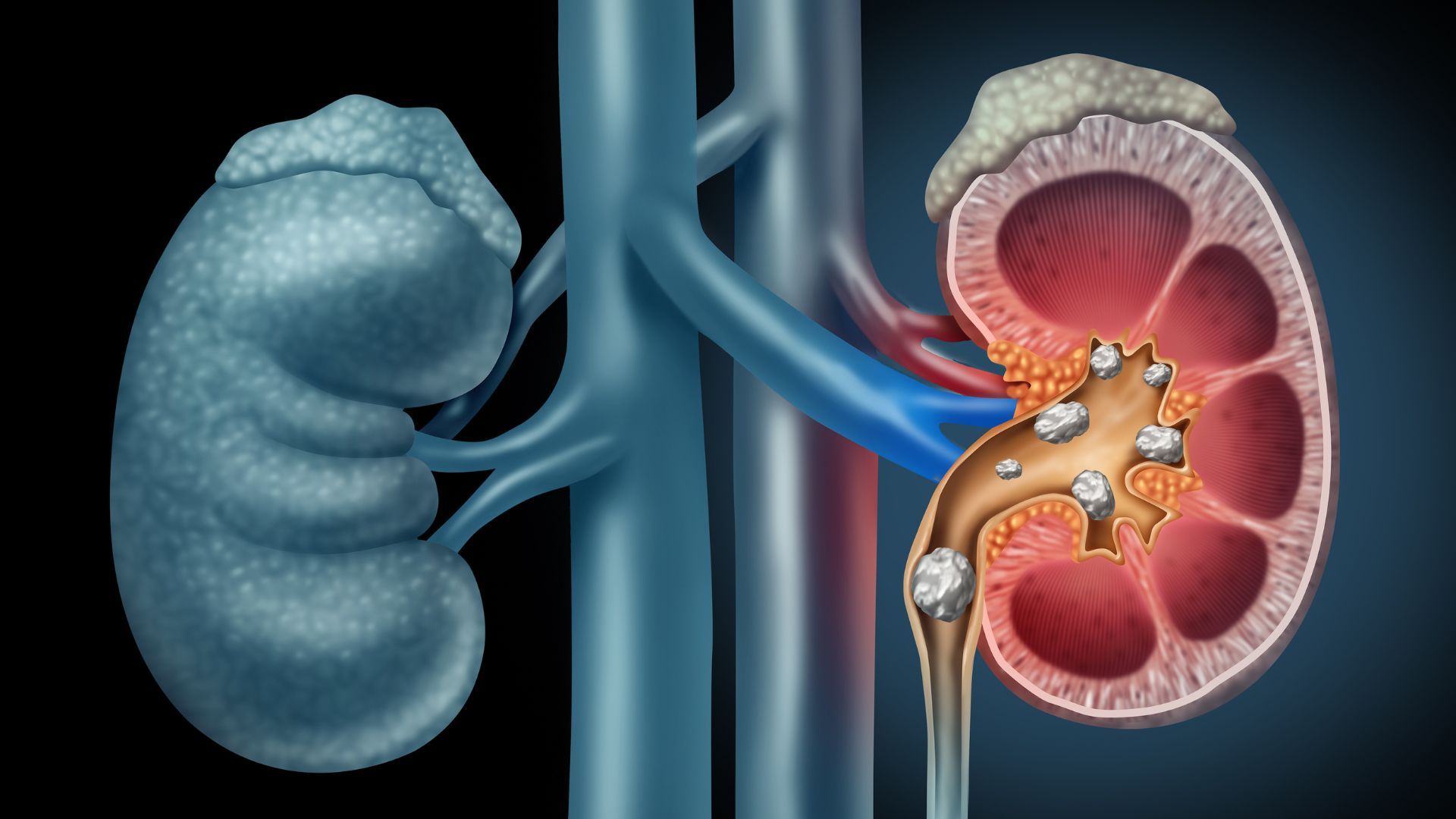
Kidney stones form when certain minerals in the urine—such as calcium, oxalate, and uric acid—are present in high concentrations and start to clump together. This leads to the formation of hard mineral deposits in the kidneys.
Some of the common causes may include:
Dehydration: Not drinking enough water can cause your urine to become more concentrated, leading to stone formation.[1]
Dietary habits: High salt, sugar and protein intake can trigger the formation of kidney stones.
Medical conditions: Gout, hyperparathyroidism, and urinary tract infections.
Family history: A person may be prone to kidney stones if it’s genetic, as this can increase the risk of developing them.
Obesity and sedentary lifestyle: Lack of physical activity and high body weight contribute to kidney stone formation.
Understanding what causes kidney stones helps you make lifestyle changes that can reduce their formation.
Types of Kidney Stones
Kidney stones are categorised by size, shape, and composition. The main types include:
Type of Stone | Description | Common Causes |
Calcium Stones | Most common; often made of calcium oxalate | High oxalate foods, dehydration |
Uric Acid Stones | Form due to excess uric acid | High-protein diet, gout |
Struvite Stones | Usually linked to infections | Urinary tract infections |
Cystine Stones | Rare; caused by a genetic disorder | Inherited cystinuria |
Symptoms of Kidney Stones
Kidney stone symptoms range from mild to severe, and the symptoms also change depending on the size and location of the stone.
Common kidney stone symptoms include:
Sudden, severe pain in the back, side, lower abdomen or groin
Pain during urination
Red or brown urine
Nausea and vomiting
Frequent urge to urinate
Cloudy or foul-smelling urine
Many people only discover they have kidney stones after experiencing intense pain or blood in their urine. Early detection helps prevent complications.[2]
Risk Factors
There are some factors that increase the chances of developing kidney stones, which are:
Age and gender: It is most common in adults aged 30-50.
Dehydration: Insufficient water intake.
Dietary choices: High salt, sugar, and protein-rich diet.
Medical history: Previous kidney stones or family history
Obesity and sedentary lifestyle: High body weight and lack of exercise can increase the risk.
Complications
If you leave kidney stones untreated, they can lead to several complications, such as:
Urinary tract infections: Kidney stones may stop urine flow, which can cause infections
Kidney damage: Severe or repeated stones can affect kidney function
Chronic pain: One may experience persistent stones, leading to long-term discomfort.
Obstruction: Stones may block ureters, making urination painful or difficult
Timely medical intervention helps to prevent the above complications.
When to See a Doctor
It's important to consult a doctor if one experiences:
Severe and sudden pain in the lower back or sides and lower abdomen.
Blood in urine
Fever or chills
Nausea and vomiting
Difficulty while urinating
Early evaluation can prevent kidney stones from worsening and reduce the risk of serious complications.
How to Prevent Kidney Stones
Kidney stones can often be prevented with the right lifestyle and dietary changes. Here are some practical tips
1. Stay Hydrated
Drink 2–3 litres of water every day.
Drinking enough water keeps your urine diluted and helps prevent minerals from forming stones.
2. Eat a Balanced Diet
Reduce salt and sugar intake
Include fruits and vegetables, especially citrus fruits
Limit animal protein if prone to uric acid stones
3. Maintain a Healthy Weight and Exercise
Regular physical activity can help prevent kidney stones.[3]
Obesity increases the risk of kidney stone formation, so try to maintain a healthy weight.
4. Follow Medical Advice
If there is a history of kidney stones, the doctor may recommend medications or dietary changes
Regular check-ups can help monitor kidney health.
Regularly following these measures helps reduce the risk of kidney stones and supports kidney health.
Conclusion
Kidney stones are common but preventable. Knowing the symptoms of a kidney stone, understanding its causes and adopting a healthy lifestyle can reduce the risk. Staying hydrated, eating a balanced diet, and maintaining a healthy weight play a key role in preventing kidney stones.