Common Myths about Trauma Implants and the Facts You Should Know
Introduction
When people hear the word implant, it can bring up doubts and fears. "Will it rust inside my body?" "Will I live in pain forever?" "Will I even walk properly again?" These are common worries that many people can have about trauma implants.
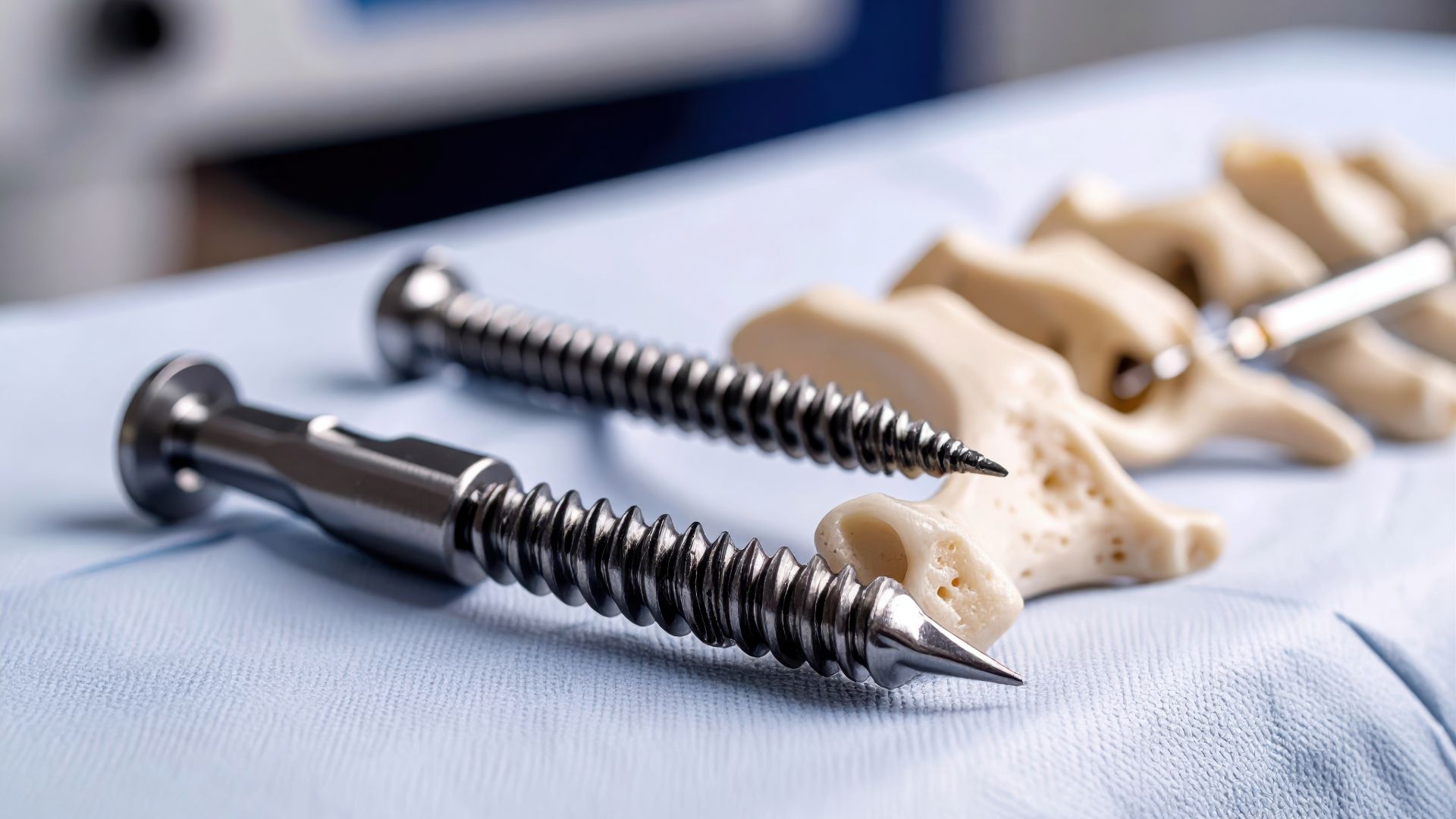
The truth is trauma implants like plates, screws and rods (nails) are carefully engineered to help your broken bones heal and bring back movement. But some people, because of myths and old beliefs, feel anxious. Let's look at some of the most common myths about trauma implants and uncover the real facts.
Myth 1: Implants Trigger Airport Metal Detectors
Statement: If I have a plate or joint implant, airport alarms will always go off.
The fact: Implants may sometimes set off metal detectors, but not always. Many travellers with hip or knee replacements pass without issues.[1] If it does beep, all you need to do is inform the staff, and they will do a quick manual check, no extra hassle. If you want peace of mind, carry a note from your doctor stating you have an orthopedic implant.
Myth 2: You Can't Move Normally with a Trauma Implant
Statement: Once a rod (nail) or plate is inside, I won't be able to bend, run, or move freely.
The fact: Trauma and orthopedic implants are meant to restore mobility, not limit it. With the right recovery plan and physiotherapy, most people go back to walking, climbing stairs, and even light sports. Progress takes time, but every week usually brings visible improvement.
Myth 3: Implants Cause Severe Pain Forever
Statement: Having an implant means I will suffer pain for life.
The fact: Pain after surgery is common, but it generally improves as the bone heals. Doctors use safe medicines, lifestyle changes, and physical therapy to manage pain.[2] If pain lingers for months, it may point to stiffness or rare complications, but in most cases, bone fixation implants do not cause lifelong pain.
Myth 4: Implants Will Eventually Rust Inside the Body
Statement: Metal inside the body will rust like an old nail.
The fact: This is one of the most common fears. But trauma implants are made from corrosion-resistant metals like titanium and stainless steel, which are biocompatible and safe for the body. They don't rust or react with anything in your body. Surgeons inspect the implant closely before it is inserted. With the suggested precautions and routine checkup, you can be at rest. "Rusting" just doesn't happen.
Quick Look: Myths vs Facts
Myth | Fact |
Implants trigger airport detectors
| They may beep, but not always. If they do, security just checks quickly. |
You can’t move normally with an implant | Implants are designed to restore mobility with proper rehab. |
Implants cause pain forever | Pain usually reduces as healing continues. Chronic pain is rare. |
Implants rust inside the body
| Modern implants are rust-resistant and safe inside the body. |
The Role of Education in Busting Myths
Most fears about trauma implant surgery come from old stories or a lack of knowledge. Correct information makes a big difference:
Confidence: Understanding how implants work reduces the fear and taboo associated with them.
Recovery: It is known that people who trust the process and follow the doctor's recovery instructions will heal better.
Awareness: Patients learn to spot unusual symptoms early, like swelling or infection.
You should trust your surgeon. If you still have any worries, ask questions freely, and refer to reliable sources to get more information about implants.
Conclusion
Trauma implants are made to heal, not harm. They don't rust inside the body, they don't trap you in pain forever, and they don't stop you from moving usually. With proper surgery, rehabilitation, and follow-ups, most people return to their everyday lives and activities.
By busting myths and focusing on trauma implant facts, we can replace fear with confidence and speed up recovery.
FAQs
What is the purpose of a trauma implant?
The main purpose of a trauma implant is to hold broken bones in the right position so they can heal properly. Implants like plates, screws, or rods act like internal supports, making the bone stable until it becomes strong again.
Which implants are permanent?
Some implants are meant to stay inside the body for life, especially when removing them could cause more harm than good. For example, many joint replacement implants (like hip or knee replacements) are permanent. In other cases, trauma implants may be removed once healing is complete; it depends on the injury, type of implant, and your doctor's advice.
Can I walk normally after getting an implant?
Yes. With proper rehabilitation and physiotherapy, most patients regain normal movement.
Does pain last forever with implants?
No. Pain reduces as healing progresses. Long-term pain is rare and treatable.