






















Nonunion: Why Your Bone Isn't Healing After an Injury?
Introduction
A broken bone usually heals with time, rest, and proper care. However, in some cases, the bone does not heal as expected. When this occurs, the condition is known as a nonunion, and it can be worrying for patients who feel their recovery has stalled. Understanding why a bone isn't healing after an injury is the first step towards addressing the problem and seeking the right support.
In this blog, we'll explain what nonunion is, explore why it occurs, how it's diagnosed, and what approaches are commonly used to support bone healing.
What Is a Nonunion?
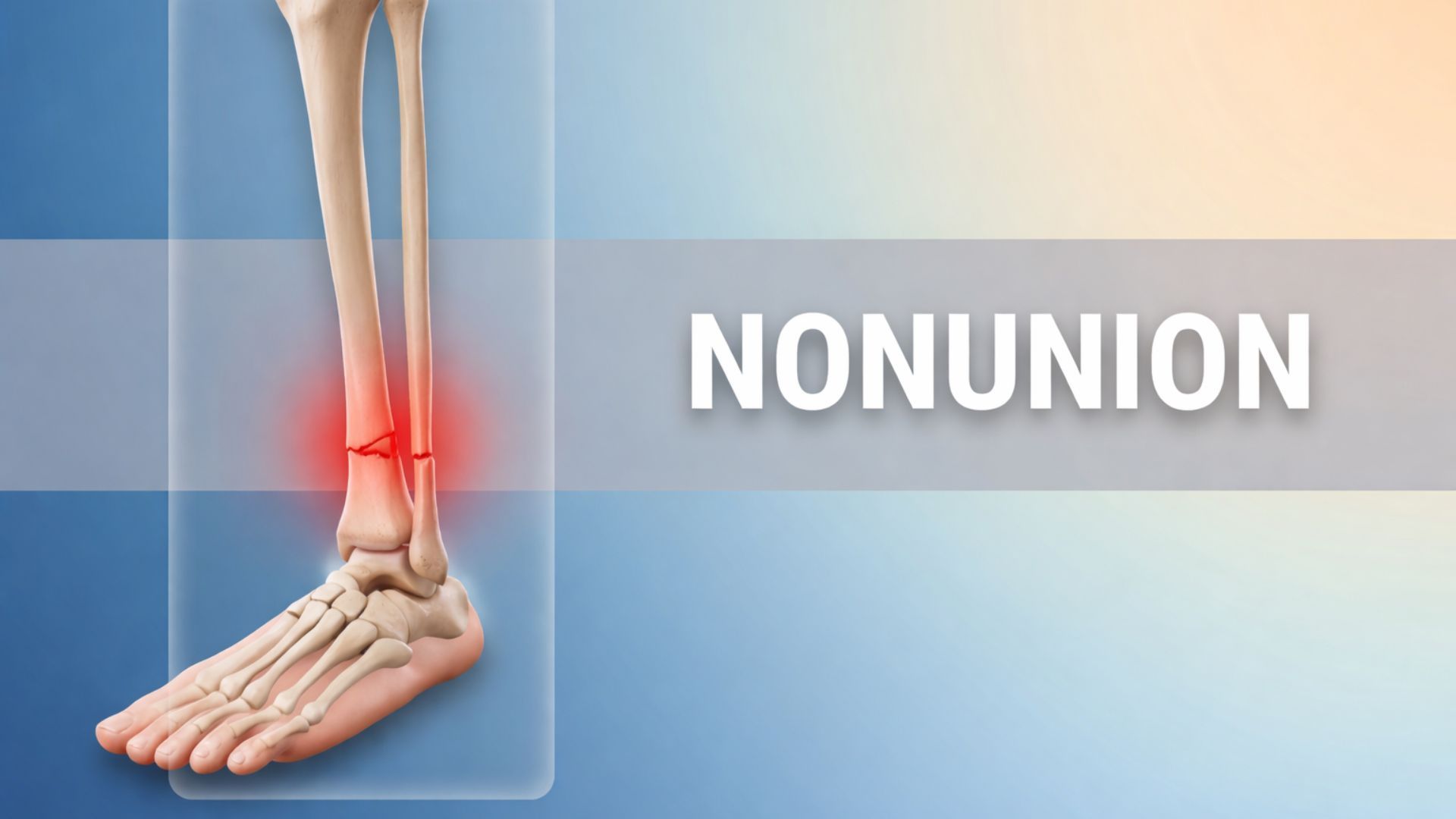
A nonunion occurs when your broken bone does not heal even after a long period, usually nine months.[1] Instead of joining back together, the bone ends remain separate.
Slow healing does not mean the bone will never heal, but it does mean that healing has slowed or stopped without additional medical support. Nonunion can happen in any bone, but it is more common in long bones like the tibia (shin bone), femur (thigh bone), and forearm bones.
How Bone Healing Typically Works
Under normal circumstances, bone healing happens in stages.
First, the body forms a blood clot around the fracture. Next, new tissue called callus develops, slowly bridging the broken ends. Over time, this tissue hardens into bone and reshapes itself.
This process depends on good blood supply, stability at the fracture site, proper alignment, and overall health. When any of these factors are disrupted, healing may slow down or stop completely.
Why Nonunion May Occur
There is no single cause of nonunion. Often, it happens due to a combination of factors.
Poor blood supply to the bone can limit healing.[2]
Too much movement at the fracture site may prevent the bone from joining.
Infections can interfere with recovery.
Your lifestyle factors, such as poor nutrition, may also contribute to the delay in healing.
Medical conditions like diabetes or long-term steroid use can further increase the risk of nonunion.
Common Signs That Healing May Be Slow
Nonunion doesn't always cause obvious symptoms at first. However, certain signs may suggest delayed or poor healing.
If you experience pain that continues long after an injury should have healed.
If there is swelling or tenderness that may persist around the fracture site. Or some people notice instability or difficulty bearing weight.
In some cases, no improvement may be seen on follow-up X-rays.
If these signs continue for months, further evaluation is usually needed.
How Nonunion Is Usually Identified
Doctors identify nonunion through a combination of physical examination and imaging tests.
X-rays are commonly used to check whether the ends of the bones are joining. If results are unclear, your doctor may suggest advanced imaging, such as CT scans, to obtain a more detailed view.[3]
Your doctor may also ask about pain levels, activity limitations, and previous treatments to understand how the fracture has progressed over time.
Approaches Commonly Used to Support Healing
Treatment for nonunion depends on the cause, location, and severity of the fracture.
Doctors often focus on improving stability at the fracture site, increasing blood supply, and encouraging new bone growth. This may involve surgical techniques, bone grafts, or specialised fixation systems to securely hold the bone while it heals.
Advanced orthopaedic solutions, such as the Auric by Meril Life, are designed to support stable fracture fixation. It helps to maintain alignment and stability while the bones are healing. Such systems can assist surgeons in creating conditions that encourage natural bone healing, especially in complex cases.
When to Consider Consulting a Specialist
If a fracture shows little or no improvement after several months, it is important to consult an orthopaedic specialist. You should also seek help if the pain persists or worsens, your mobility decreases, or daily activities remain difficult. Early evaluation can help to identify the cause of delayed healing and reduce the risk of improper healing and long-term complications. Specialists can recommend personalised treatment plans based on imaging results and overall health.
How Can You Prevent Nonunions?
While not all cases of nonunion can be prevented, certain steps can reduce the risk.
Following medical advice closely after a fracture is essential. Avoid putting weight on the injury too early.
Eat a balanced diet rich in calcium and vitamin D. Consult with your dietitian for a meal plan.
Managing existing health conditions and attending follow-up appointments also play an important role in recovery.
Conclusion
Nonunion can be frustrating, especially when recovery takes longer than expected. Understanding why your bone isn't healing after an injury helps you recognise the signs early and seek timely care.
When you receive proper evaluation, appropriate treatment, and supportive orthopaedic solutions, many nonunion cases may still heal successfully. If healing feels delayed, you should not ignore it; take early action, as it can make a difference.