Preparing for Laparoscopic Surgery: Diet, Tests, and What to Expect at the Hospital
Introduction
When you are preparing for a laparoscopic surgery, it can feel a little overwhelming, especially if it's your first time. The good news is that this minimally invasive technique usually means smaller cuts, quicker recovery, and less discomfort. Still, a smooth experience depends a lot on how well you prepare, your diet, medical tests, and knowing what to expect at the hospital. This guide walks you through the essentials, so you feel confident every step of the way.
Understanding the Purpose of Pre-Surgery Preparation
Pre-surgery preparation helps your body and mind get ready for the procedure. It lowers the risk of complications and ensures your surgeon has all the information needed. You may be asked to adjust your meals, stop certain medicines, and undergo tests. These small steps allow your surgical team to plan the safest and most effective approach for your condition.
Basic Dietary Preparation for Laparoscopic Surgery
Your doctor will tell you exactly what to eat and drink before the procedure, and most people follow similar guidelines.
Fast as instructed, usually from midnight before surgery. Fasting will keep your stomach empty, which is important for the safe administration of anaesthesia.
Stay hydrated, but only until the allowed cut-off time, which is usually 8 hours before the surgery.[1]
These are general dietary instructions given by doctors. If you have diabetes, hypertension, or other conditions, your doctor may customise your dietary plan to keep your levels stable.
If you have any digestive issues, your doctors may recommend that you follow additional instructions, like:
Shift to light meals a day or two before surgery. Soups, porridge, curd rice, boiled vegetables, and fruits help keep digestion smooth.
Avoid eating heavy, oily, or spicy foods, as they may cause acidity or bloating.
Common Pre-Surgery Tests
Before laparoscopic surgery, your doctor needs to ensure your body can handle anaesthesia and the procedure itself. These are some of the common tests that doctors may ask you to get before the surgery:
Blood tests to check your haemoglobin, any infection markers, blood sugar, and kidney and liver function.
An electrocardiogram (ECG) is recommended if you're older or have a history of heart disease.
Chest X-ray to assess lung health.
Your doctor may want to order an ultrasound or a CT scan, depending on the condition that you are being treated for.
A pregnancy test is generally suggested for women of childbearing age, as it is a safety requirement.
These tests allow the surgical team to prepare appropriately and avoid any last-minute surprises.
What to Expect on the Day of Surgery
When you arrive at the hospital, the staff will guide you through the steps:
You'll be checked in and asked to change into a hospital gown.
Nurses will confirm your allergies, medical history and recheck vital signs.
A small IV line will be placed for the administration of fluids and medication before and after surgery.
Your anaesthetist will meet you to discuss the plan and answer questions.
After you are checked in and all tests are cleared, your surgical team will escort you to the operating room once everything is ready.
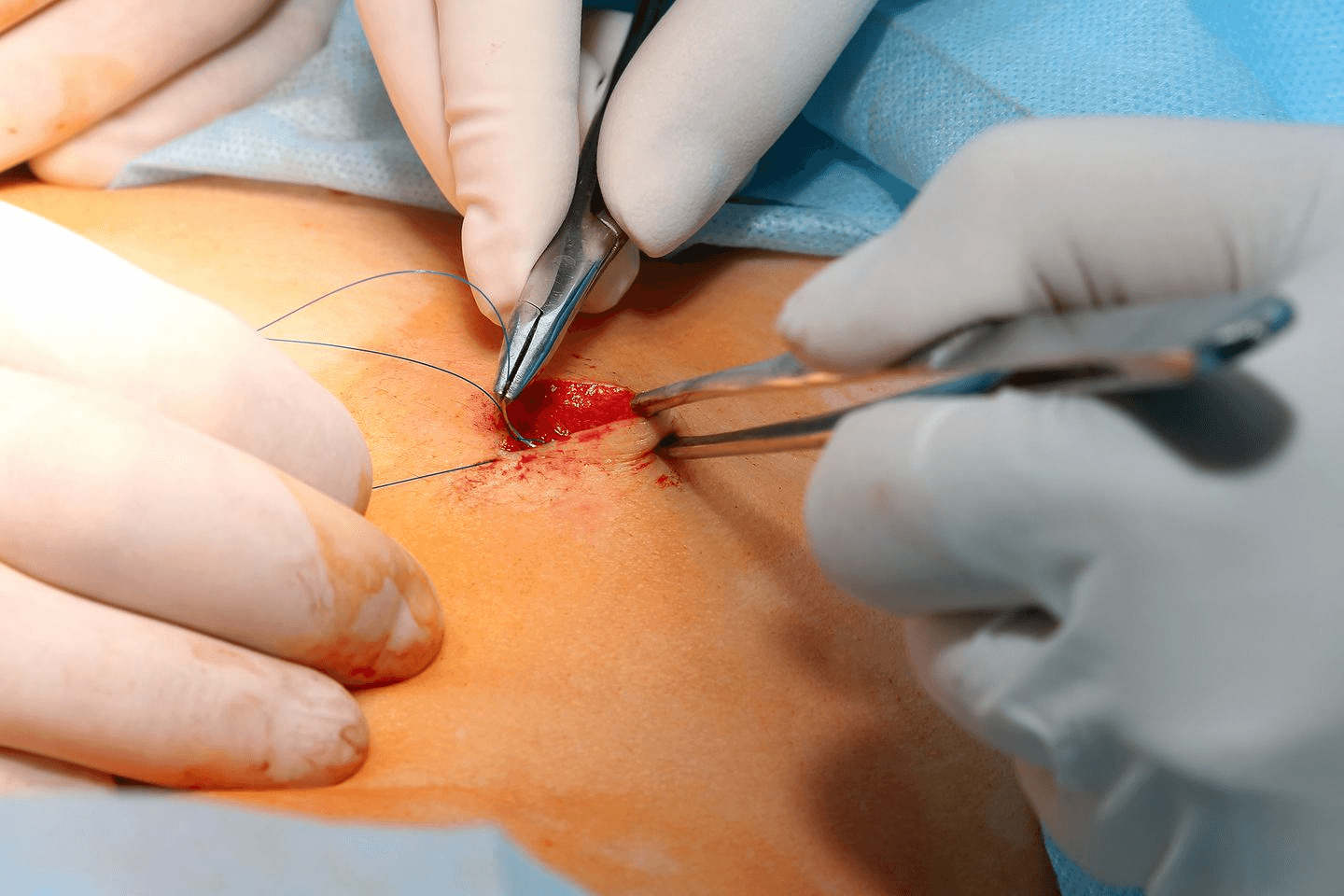
Laparoscopic surgeries typically involve making a few small cuts, inserting a camera, and using thin instruments to perform the procedure.
How Surgeons Prepare?
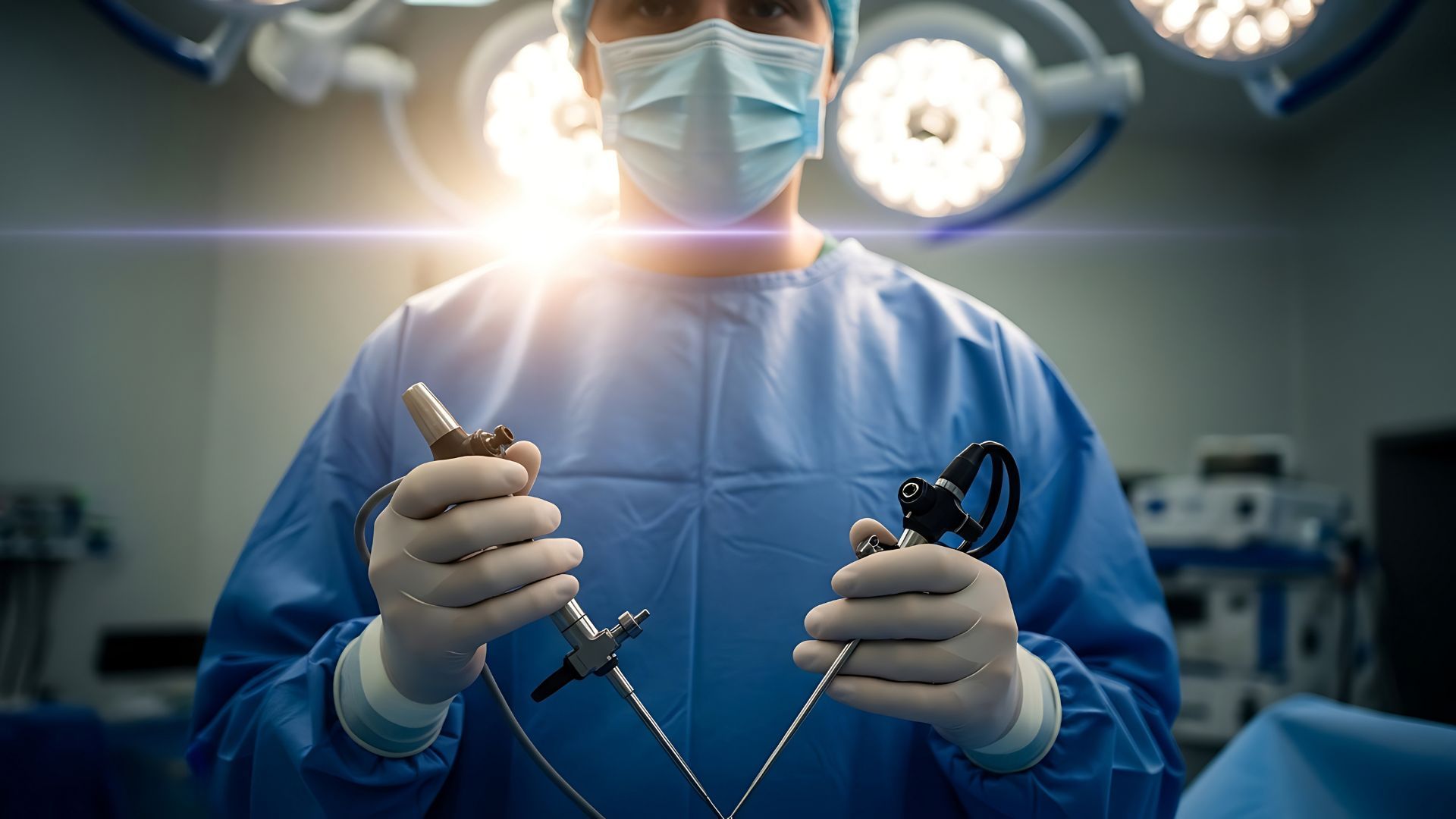
Behind the scenes, your surgical team follows a structured and highly precise process. Surgeons review your scans, medical reports, and test results to determine the best surgical approach. They ensure all instruments, devices, and safety checks are in place.
Here, our laparoscopic instruments are used to guide, support accuracy and efficiency during the procedure. Your doctor's detailed preparation helps ensure the operation is smooth, safe, and tailored to your medical needs.
After the Laparoscopic Surgery
Once the laparoscopic surgery is done, you'll be shifted to a recovery area for monitoring. Your vitals will be monitored as you stabilise, and you will be transferred to your hospital room after.
As the anaesthesia wears off, you may feel mild abdominal discomfort or pressure, which is common.[2] Most patients can move around within a few hours, depending on the surgery.
You'll receive instructions on medications, wound care, bathing, activity levels, and warning signs to watch for. Many people return home the same day or within 24–48 hours. Recovery is expected within 6 to 8 weeks after surgery.[3]
Tips for a Smoother Experience
Follow your doctor's diet and medication instructions closely.
Arrange transport and support at home for the first day.
You should not hesitate to ask your doctor questions. Knowing what's happening helps you feel less anxious.
You can keep your test reports handy for quick reference.
You should practise light breathing exercises to stay calm.
Conclusion
Preparing for laparoscopic surgery doesn't need to be stressful. With the right diet, timely tests, and a clear idea of what to expect at the hospital, you can make the experience far more comfortable. Laparoscopy is designed to be gentle on your body, and proper preparation only enhances the benefits. If you have any doubts or concerns, always reach out to your healthcare team; they're there to guide you.