

























Key Differences: Robotic and Laparoscopic Surgery
Introduction
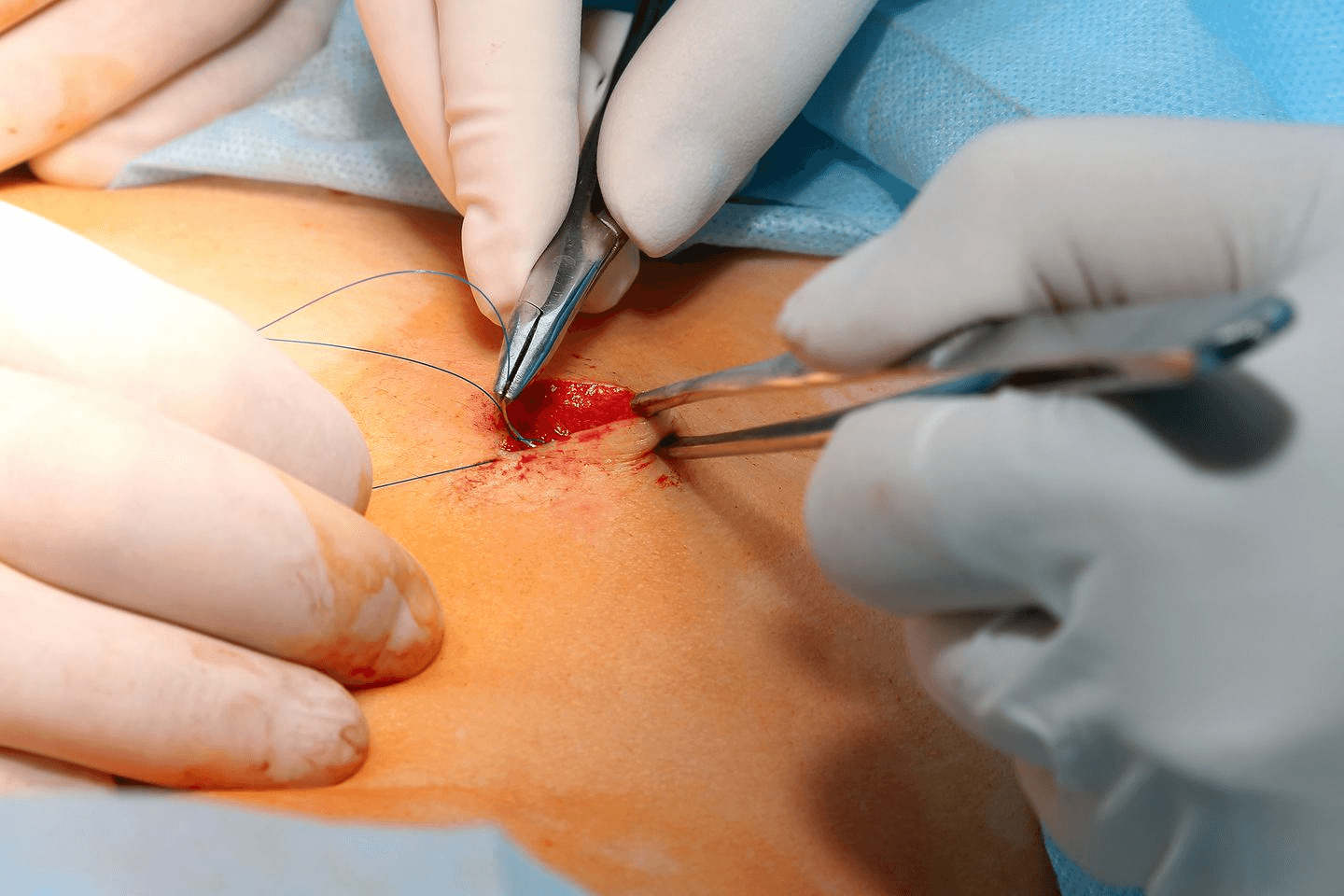
Robotic and laparoscopic surgeries are new ways to cut down recovery time, pain, and scars when compared to the old ways of open surgery. Here's a simple look at how they differ.
The difference between robotic vs laparoscopic surgery.
Tool Movement and Flexibility
One major difference between robotic and laparoscopic surgery is how the instruments move. Laparoscopic tools are long and rigid, mainly allowing straight in-and-out or side-to-side movements from the entry point. This limited range can make precise tasks—such as stitching in tight spaces—more demanding.
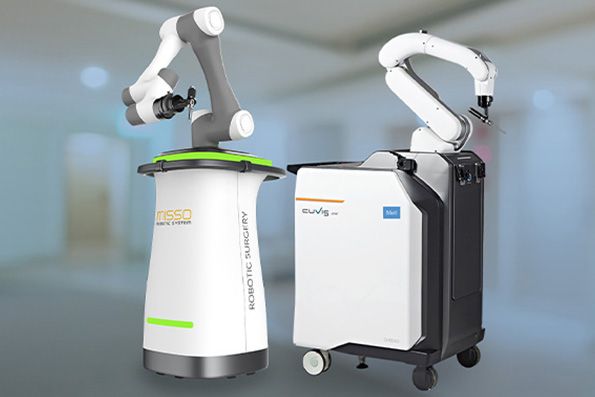
Robotic instruments, on the other hand, are designed to bend and rotate like a human wrist, offering a wider range of motion than traditional laparoscopic tools. This flexibility helps surgeons perform delicate steps with greater precision in confined areas.
Camera and Vision Quality
Reasonable instrument control and clear visibility are essential for safe and effective surgery. Advanced camera systems play a significant role in helping surgeons work with accuracy.
Laparoscopic surgery uses a 2D camera that provides a flat image on a screen. While effective, it lacks a depth view, so surgeons must rely on experience and strong hand–eye coordination to judge distance and depth. This can make complex movements more difficult, especially in tight areas inside the body.
Robotic surgery uses advanced 3D cameras that offer a depth view similar to natural vision. This clearer, real-time view helps surgeons perform precise movements with greater confidence, reduces the risk of accidental injury to surrounding structures, and supports better decision-making during surgery.
Hand Stability and Precision
Even the most skilled doctors experience slight hand tremors, which can affect surgical precision. When comparing laparoscopic and robotic surgery, the way each approach manages steadiness is an important difference.
In laparoscopic surgery, tool control depends entirely on the surgeon’s hands. Small natural tremors can be amplified by the long instruments used. Robotic surgery helps overcome this by using computer systems that filter out these shakes, allowing only smooth, intended movements to reach the instruments.
This added steadiness is especially valuable during delicate procedures near nerves or blood vessels. By reducing unintended movements, robotic instruments improve accuracy, lower the risk of injury, and support safer surgical outcomes.
What Each Surgery Is Used For
Both laparoscopic and robotic surgeries are effective, but each has its strengths. Laparoscopic surgery works well for routine procedures and is quick, reliable, and widely used. It is commonly used for gallbladder removal and for many gynaecological conditions, such as ovarian cysts and fibroids.
Robotic surgery is better suited for complex and delicate procedures, especially in tight spaces or around vital structures. It is widely used in urology, particularly for prostate cancer, and is also used in kidney surgery, advanced gynaecological cases, and select neurological procedures. While laparoscopy remains ideal for standard surgeries, robotic surgery is increasingly preferred when higher precision is required.
Incision Size and Scarring
Both robotic and keyhole surgeries aim to reduce scarring by using small cuts, helping patients heal faster and achieve better cosmetic outcomes.
In keyhole surgery, doctors usually make small incisions of about 5 mm to insert the camera and instruments. In some cases, cuts may be around 12 mm, which is still much smaller than those used in open surgery. Robotic surgery takes this a step further, as highly precise robotic arms allow surgeons to work through tiny entry points, reducing tissue damage and visible scarring.
The choice often depends on the condition being treated and the complexity of the surgery, with both methods supporting quicker recovery and improved overall comfort.
Recovery Time and Post-Surgery Discomfort
Both robotic and keyhole surgeries are known for faster recovery compared to open surgery, but robotic surgery often helps patients recover with less pain and greater comfort. This is mainly because robotic tools work with high precision, causing less damage to healthy surrounding tissues and allowing the body to heal more easily.
One key benefit is reduced post-surgery pain. Robotic systems keep instruments steady at the entry point, reducing tissue strain. Studies also show shorter hospital stays and fewer complications, helping patients return to daily life sooner.
Head-to-Head Look
Let's see how robot and keyhole surgeries stack up next to each other:
Factor | Laparoscopic Surgery | Robotic Surgery | |
| Camera Vision | 2D view on a screen | Gives a 3D zoomed view with clear depth | |
Precision Level | Good for routine procedures | Very precise, ideal for nerve-sparing work | |
Surgery Duration | Standard operating time | Takes a bit longer to set up | |
Hospital Stay | Usually 1–3 days | Often shorter | |
Recovery Time | Recovery in a few days to a week | Faster recovery with less tissue impact | |
Incision Size | Small cuts (about 5–12 mm) | Similar small cuts, with greater accuracy | |
Instrument Control & Movement | Rigid tools, limited movement | Wrist-like movement with tremor control | |
Choosing the Right Surgical Approach
Choosing between laparoscopic and robotic surgery largely depends on the surgeon’s experience, the type of procedure, and the patient’s needs.
- Laparoscopic surgery is often the first choice for routine procedures. It is widely available and well-suited for many common conditions.
- Robotic surgery is preferred for complex procedures where high precision is essential, primarily when operating near nerves or blood vessels. Its 3D view and wrist-like instrument movement enable more controlled, accurate surgery.
Conclusion
Choosing between robotic and laparoscopic surgery depends on patient needs, the type of procedure, and available resources. Both approaches use small incisions and support faster recovery compared to traditional open surgery.
Robotic surgery is most useful for complex procedures that require high precision, where even small movements matter. Laparoscopic surgery, in contrast, is widely available, making it suitable for routine procedures. It allows patients to return to daily life relatively quickly.
Robotic systems offer better control by reaching difficult areas and reducing natural hand tremors, which may lead to more careful surgery, quicker healing, and less post-operative pain.