Surgical Sutures: Types, Techniques & Their Role in Modern Procedures
Introduction
Surgical sutures are one of the most important tools in modern medicine. They play a vital role in wound closure, healing, and recovery after an operation or injury. From simple cuts to complex surgeries, sutures help tissues come together so the body can heal naturally. Without them, even a small wound could take much longer to heal and may carry a higher risk of infection.
What Are Surgical Sutures?
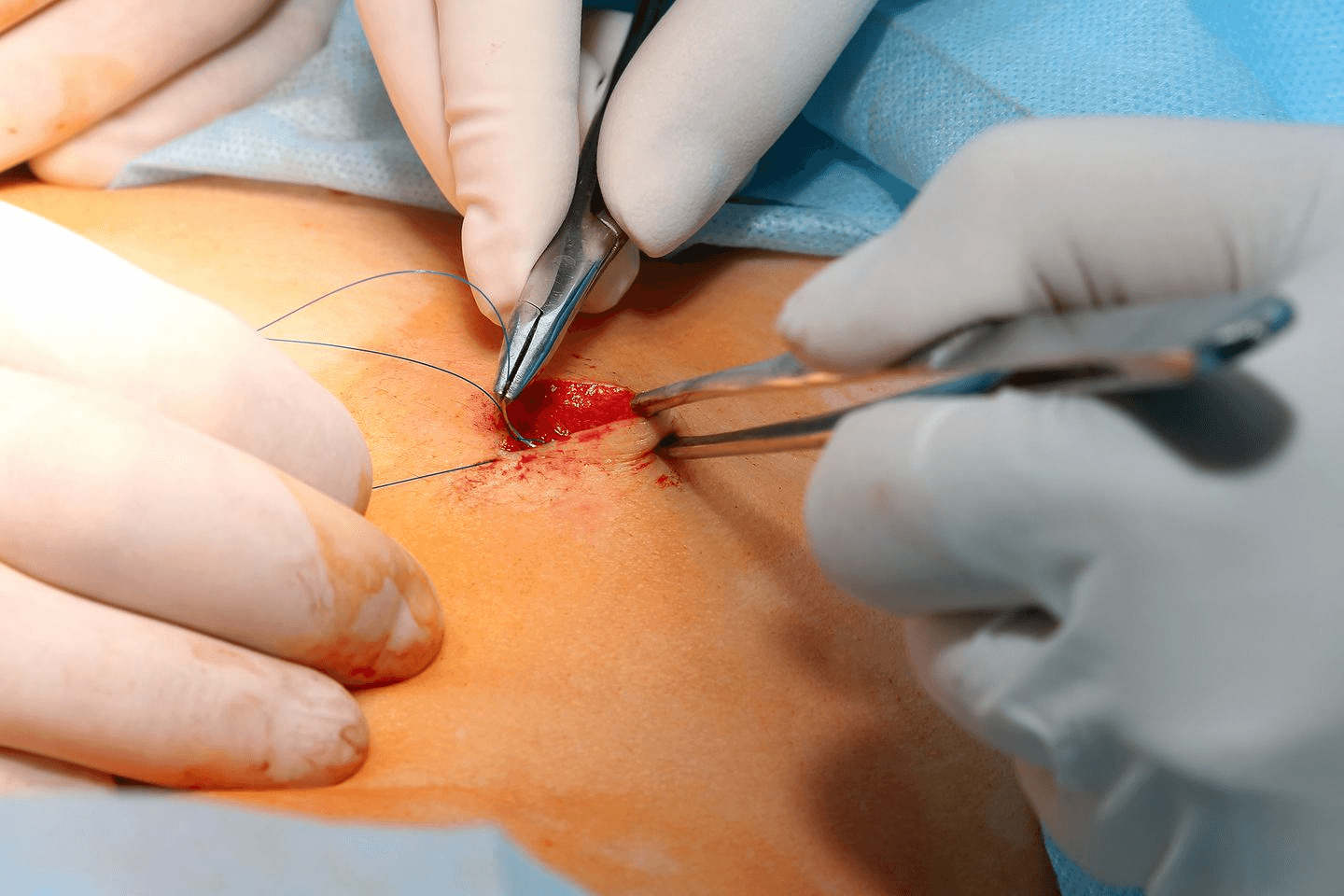
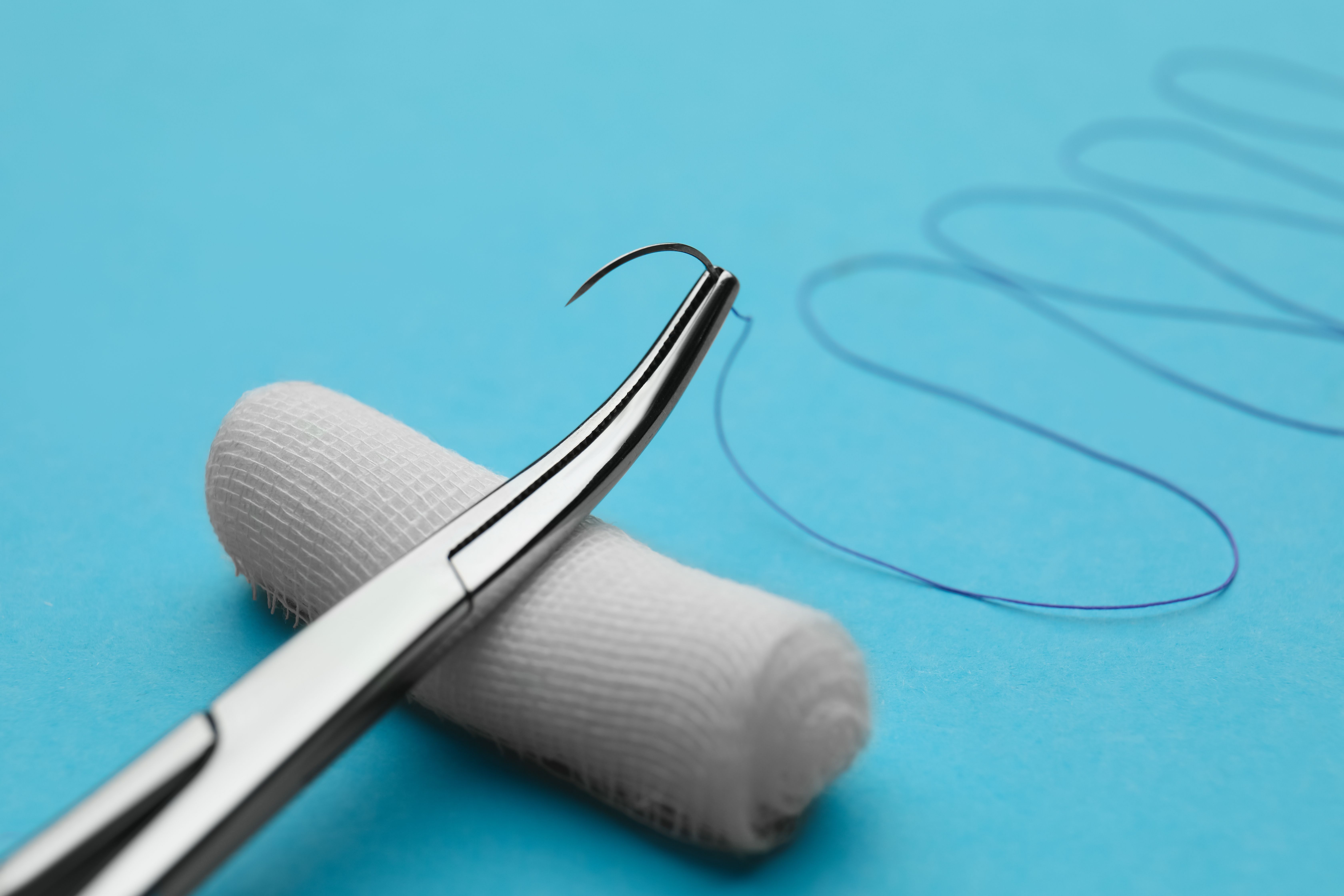
A surgical suture is a special thread used by surgeons to close wounds or surgical incisions. Think of it as a "stitch" that holds the skin, muscles, or internal tissues together.[1] These sutures are designed to either stay in your body permanently or dissolve naturally over time. The choice of type and size depends on the type of surgery, the location of the wound, and the expected rate of recovery.
Suture Size
Suture size refers to the thickness of the thread, which affects how it handles and supports a wound. The numbering system works in reverse, meaning a higher number indicates a finer suture; for example, a 7-0 suture is thinner than a 4-0. Surgeons typically select the smallest size that allows for safe healing.
Types of Sutures in Surgery
Sutures are generally divided into different categories based on their properties. Types of surgical sutures:
Absorbable vs Non-absorbable
Monofilament (single thread) vs Multifilament (braided)
Natural vs Synthetic materials[2]
The type is selected for a specific type of surgery. For example, braided sutures may be easier to tie, while monofilament ones may reduce infection risk.
Absorbable Sutures: Uses and Benefits
Absorbable sutures are designed to dissolve inside the body once the tissue has healed. They are often used in:
Internal tissues such as the stomach or bladder
Situations where stitch removal would be difficult
Patients who may not return for follow-up visits
Benefits include:
No need for removal
Lower risk of leaving foreign material in the body
Useful in surgeries where healing happens fairly quickly
Types of Absorbable Sutures
Absorbable sutures are grouped based on the material from which they are made.
Natural absorbable sutures include Plain Catgut, which dissolves quickly and is used for soft tissues, and Chromic Catgut, which lasts slightly longer and offers better wound support.
Synthetic absorbable sutures include Polyglycolic Acid (PGA) and Polyglactin 910, both known for reliable strength and absorption. Polyglactin 910 Rapid is used when short-term support is needed. Poliglecaprone 25 and Polydioxanone (PDO) provide smoother handling and longer-lasting support.
Applications of Non-Absorbable Sutures
Non-absorbable sutures do not dissolve in the body. They are either removed by a healthcare professional once healing has taken place, or they remain permanently in certain types of surgery.
Common uses include:
Skin closure after operations
Cardiovascular surgery where permanent support is required
Orthopaedic procedures
Long-term tissue support
Types of Non-Absorbable Sutures
The types of non-absorbable sutures too can be grouped based on the material they are made from:
Silk sutures: They are easy to handle, often used in general surgery
Nylon sutures: They are strong and resistant to breaking
Polyester sutures: They have good strength and durability
Polypropylene sutures: They have a low risk of infection, and are widely used in heart and eye surgeries
Common Suture Patterns and Techniques
The way a suture is applied is just as important as the material used. Surgeons use different techniques depending on the type of wound.
Some widely used patterns include:
Suture Pattern/Technique | Description | Preferred Suture Types |
Interrupted sutures | Individual stitches tied separately; secure and easy to adjust | Non-absorbable (nylon, polypropylene) for skin; absorbable for deeper tissues |
Continuous sutures | One long thread along the wound; quick closure with even tension | Absorbable for internal tissues (e.g., gut); non-absorbable for external long incisions |
Subcuticular sutures | Placed just under the skin surface for a neat, cosmetic finish | Absorbable monofilament sutures to avoid removal and reduce scarring |
Mattress sutures (horizontal/vertical) | Distributes tension across wound edges; useful for delicate or high-tension areas | Non-absorbable (nylon) in joints, scalp, or high-tension zones |
Purse-string sutures | Circular stitch that tightens like a drawstring, often used around openings | Non-absorbable for permanent closure; absorbable for internal organs |
Innovations in Sutures: From Traditional Threads to Advanced Materials
Sutures have come a long way from being made of simple natural fibres. Today, innovation has led to:
Synthetic absorbable sutures that dissolve at predictable rates
Antibacterial-coated sutures that help reduce the risk of Surgical Site Infections (SSIs).
Coloured sutures for better visibility during surgery
Biodegradable materials that improve healing outcomes
These advancements mean fewer complications, quicker healing, and improved patient comfort.
How Surgeons Choose Between Absorbable and Non-Absorbable Sutures
Choosing the right suture is a careful decision. Surgeons consider:
Tissue type: skin, muscles, internal organs
Expected healing time: fast-healing vs slow-healing areas
Infection risk: certain materials reduce bacteria build-up
Cosmetic outcome: whether visible scarring should be minimised
Patient factors: age, health conditions, lifestyle
Comparing Sutures vs. Other Alternatives in Healing and Recovery
While sutures have been used to close a wound, there are alternatives:
Method | Features | Common Uses | Advantages | Limitations |
Sutures | Threads that close wounds | Almost all surgeries | Strong, versatile | May need removal |
Surgical Staplers | Metal clips | Large skin incisions | Quick to apply | May leave scars |
Adhesive strips | Tape-like material | Small cuts | Non-invasive | Limited strength |
Tissue glue | Medical-grade adhesive | Minor wounds, children | Painless, fast | Not for deep cuts |
The Future of Surgical Sutures in Advanced Care
The future of advances in surgical sutures looks promising with:
Smart sutures that change colour to detect healing and detect infection.
Bioengineered sutures that release medicines directly into the wound.[3]
Robotic-assisted suturing for precise closure in minimally invasive surgeries.
These innovations aim to make surgery safer, faster, and less painful for patients.
Conclusion
Surgical sutures are much more than just "stitches." They are a cornerstone of modern medicine, making surgeries safer and recoveries faster. With continuous innovations, sutures today are designed for better strength, reduced infection, and improved cosmetic outcomes. As medical science advances, sutures will continue to ensure better healing and patient care.