























The Role of Surgical Staplers in Bariatric Surgery
Introduction
Are you or a loved one considering bariatric surgery to tackle obesity? If so, you might have heard about various
tools and techniques that make this life-changing surgery possible. One essential tool that often comes up in
conversations with surgeons and medical experts is the surgical stapler. But what exactly is a surgical stapler, and
why is it so important in bariatric surgery? Read on to find out how these little devices make a big difference in the
journey toward better health.
What is Bariatric Surgery?[1]
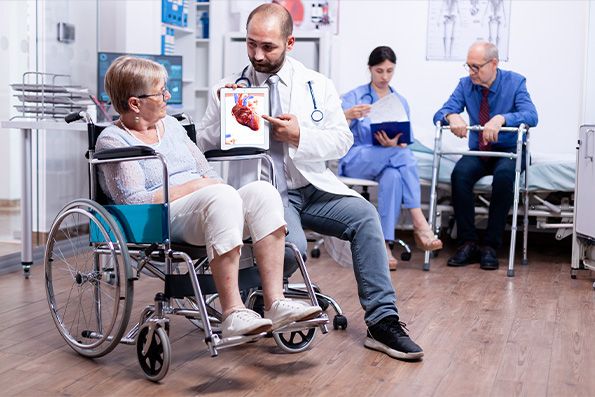
Bariatric surgery is a medical procedure that assists people who are dealing with severe obesity. Obesity is a
condition involving significant body fat accumulation. It isn't just a cosmetic concern; it is a medical problem that
increases the risk of other diseases and health issues, such as heart disease, high blood pressure, diabetes, and
certain cancers. Bariatric surgery helps by altering the stomach or digestive system, limiting food intake, reducing
nutrient absorption, or both. This type of surgery is typically recommended when diet and exercise have not been
effective, and the person has serious health problems due to obesity.
Purpose of Bariatric Surgery[1]
Bariatric surgery allows individuals to achieve significant and sustained weight loss, reducing the risks associated
with obesity. It also helps in managing other obesity-related conditions such as type 2 diabetes, sleep apnea,
hypertension, and more. By reducing the amount of food a person can eat or absorb, bariatric surgery helps in
creating a caloric deficit, which leads to weight loss. Additionally, it brings about hormonal changes that aid in
controlling hunger and improving metabolism.
What are Surgical Staplers?[2]
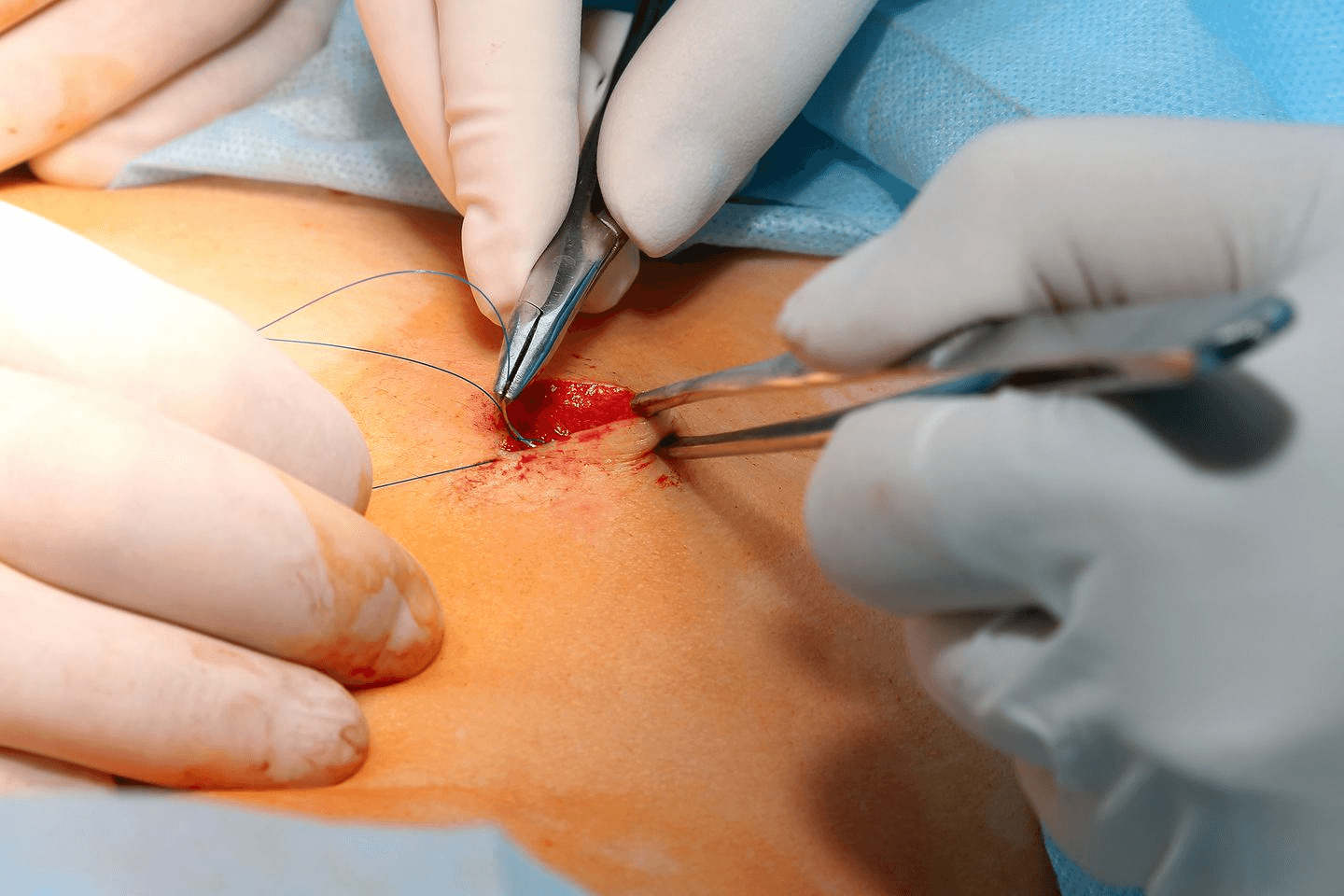
Surgical staplers are specialized devices used by surgeons for surgical incisions. They have replaced traditional
suturing methods in many surgeries due to their precision, speed, and effectiveness. In bariatric surgery, surgical
staplers are specifically used to staple sections of the stomach or intestines after they have been altered. These
staplers are designed to deliver consistent and secure closures, which is crucial for the success of the surgery.
Evolution of Surgical Staplers
The use of surgical staplers in surgery has evolved significantly over the years. Earlier, surgeons relied heavily on
suturing, a time-consuming process that required high skill and precision. The advent of surgical staplers
revolutionized the process, providing a quicker and more reliable method to close incisions and tissues. Over
time, technological advancements have improved the design and functionality of surgical staplers, making them
more efficient, safer, and easier to use.
Types of Surgical Staplers Used in Bariatric Surgery[3]
There are primarily two types of surgical staplers used in bariatric surgery: Endoscopic linear staplers and circular
staplers.
• Linear staplers are commonly used to divide tissues and create a staple line, which is essential in procedures
like gastric bypass and sleeve gastrectomy.
• Circular staplers, on the other hand, are used for anastamosis, such as joining the remaining part of the
stomach to the small intestine. The choice of stapler depends on the type of bariatric surgery being performed
and the specific needs of the procedure.
The Role of Surgical Staplers in Bariatric Surgery[4]
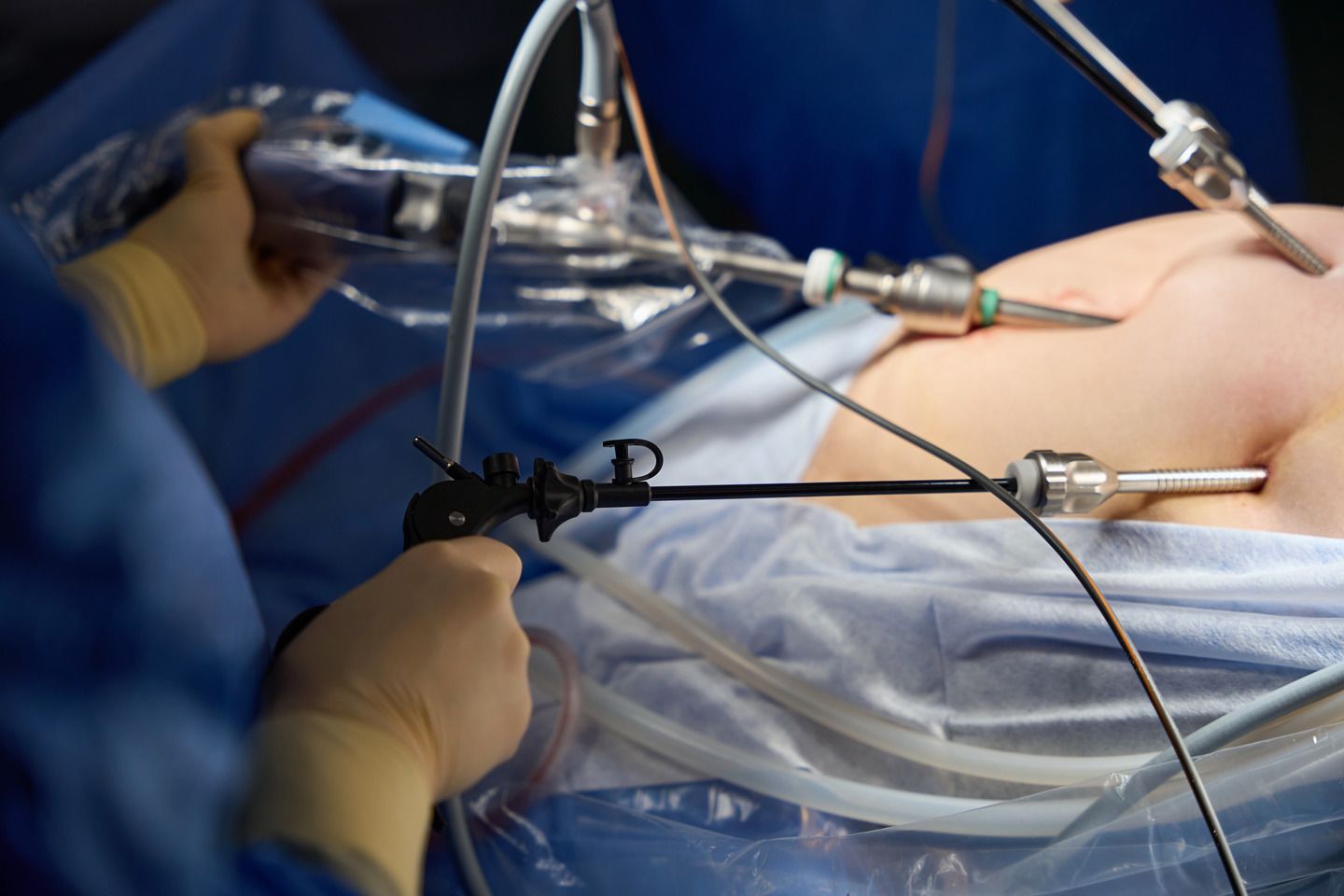
Surgical staplers are used to seal the newly created smaller stomach pouch and connect it to the rest of the
digestive system. The stapler cuts and seals tissue simultaneously, ensuring the stomach or intestinal tissue is
securely closed, which is vital for preventing leaks and complications. The use of staplers also allows for precision
in creating uniform staple lines, which is critical for the success of bariatric surgery.
For example, in gastric sleeve surgery, the stapler is used to remove a portion of the stomach and create a
smaller, sleeve-shaped stomach. Similarly, in gastric bypass surgery, surgical staplers divide the stomach into a
smaller upper pouch and a larger lower section and then connect the small intestine to the newly created pouch.
These procedures require the use of reliable and efficient staplers to ensure that the new connections in the
digestive tract are secure.
Advantages of Surgical Staplers[6]
• Speed and Efficiency: Surgical staplers can close incisions and tissue much faster than traditional suturing,
reducing the overall time of surgery. This is beneficial not only for the surgical team but also for the patient, as
it reduces the time they are under anesthesia.
• Consistency and Precision: Unlike sutures, which depend on the surgeonS skill and consistency, staplers
provide uniform and consistent closure, reducing the likelihood of human error. This is particularly important in
bariatric surgery, where precision is key to preventing complications.
• Reduced Risk of Complications: The use of surgical staplers minimizes the risk of leakage from the newly
created stomach or intestinal connections. Proper sealing of tissues is crucial in bariatric surgery to prevent
post-operative complications, such as infections or leaks, which can be life-threatening.
• Less Invasive and More Secure: Surgical staplers cause less tissue trauma compared to suturing, leading to
faster recovery and less post-operative pain for the patient. They also create a more secure closure, which is
essential for the healing process.
Mirus™ Powered Endoscopic Linear Cutter and Reloads by Meril
The Mirus™ Powered Endoscopic Linear Cutter and Reloads by Meril is an advanced surgical device designed to
enhance precision and efficiency in laparoscopic procedures. With its ergonomic design and powered
mechanism, Mirus™ provides consistent staple formation and reliable tissue cutting, making it a valuable tool for
surgeons performing minimally invasive surgeries. The device is CE-marked, ensuring it meets high safety and
performance standards.
Mirus™ offers a versatile, user-friendly solution with its multiple reload options, enabling adaptability across
various tissue types and thicknesses. Its powered articulation and firing reduce manual effort and enhance
control, ensuring superior outcomes in complex procedures. The cutter is designed to fit seamlessly into existing
surgical setups without causing any workflow disruption, offering both ease of use and cost-effectiveness. With
Mirus™, surgeons can achieve better surgical precision and efficiency. Thus, making it suitable for a wide range
of laparoscopic applications.
Conclusion
Surgical staplers have become a vital part of bariatric surgery, offering a safer, quicker, and more reliable method
than traditional sutures. As you explore your options for overcoming obesity, remember that modern tools like
Powered staplers are here to support you every step of the way toward a healthier, more fulfilling life.
References
[1] https://www.mayoclinic.org/tests-procedures/bariatric-surgery/about/pac-20394258
[2] https://www.fda.gov/medical-devices/general-hospital-devices-and-supplies/surgical-staplers-and-staples
[3] https://www.ncbi.nlm.nih.gov/pmc/articles/PMC4168870/
[4]
https://www.livehealthymd.com/blog/surgical-staples-in-bariatric-surgery/#:~:text=long%2Dterm%20effects.-,The%20Role%20o
[5] https://www.merillife.com/blog/medtech/sutures-vs-staples
[6] https://www.medicalnewstoday.com/articles/surgical-staples