

























Urinary Incontinence: Types, Causes and Treatment Options
Introduction
Have you ever experienced sudden urine leakage while laughing, sneezing, or exercising? This condition is much more common than many people realise. It is known as urinary incontinence, it affects millions worldwide & can happen to men/women at different stages of life.
While it may feel embarrassing to talk about, the good news is that urinary incontinence is treatable. By understanding its types, causes and treatment options, people can take steps to manage it and improve their quality of life.
What Is Urinary Incontinence?
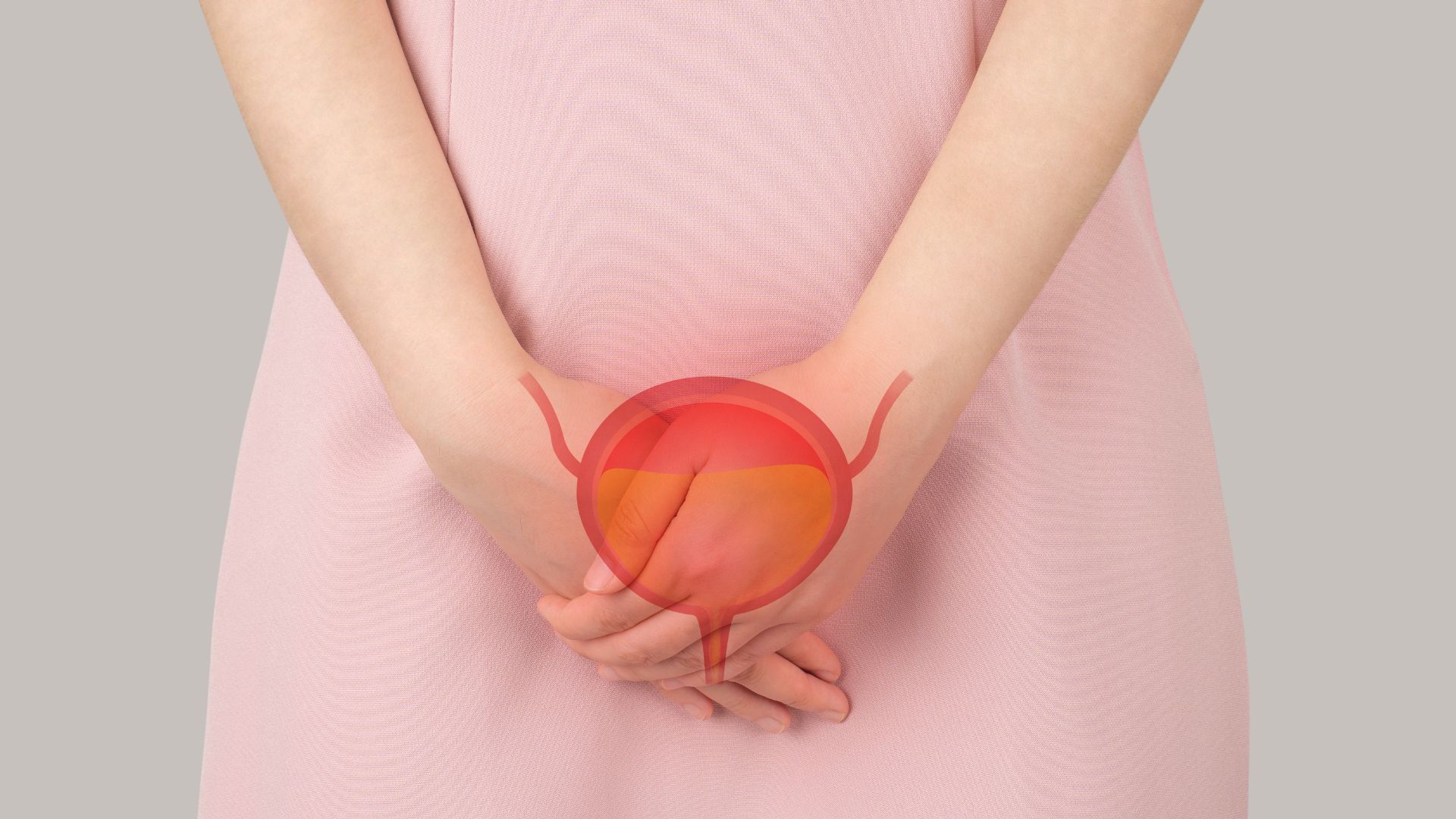
Urinary incontinence is a condition in which you lose bladder control that leads to accidental urine leakage. It is not a disease itself but usually a symptom of an underlying health issue.
It can range from mild (occasional dribbling) to severe (complete inability to control urination).
It is more common in the geriatric population, but younger people can also experience it.
Timely consulting a urologist plays a key role in diagnosis and treatment.
Types of Urinary Incontinence
There are different types of urinary incontinence, and identifying the correct one helps in choosing the right treatment:
Stress incontinence: leakage occurs during sneezing, coughing, or lifting heavy objects.
Urge incontinence (overactive bladder): sudden and intense need to urinate, followed by leakage.
Overflow incontinence: bladder does not empty completely, leading to continuous dribbling.
Functional incontinence: when mobility issues or conditions like arthritis prevent reaching the toilet in time.
Mixed incontinence: a combination, often stress and urge incontinence together.
Common Causes and Risk Factors
Several factors can increase the chances of urinary incontinence. These include:
Pregnancy and childbirth: It can cause weakened pelvic floor muscles.
Menopause: lower oestrogen levels affect bladder control.
Prostate problems in men: enlargement or surgery can cause leakage.
Ageing: As you age, the bladder muscles gradually weaken.
Neurological/ nervous system conditions: such as stroke, Parkinson's disease or multiple sclerosis.[1]
Obesity can cause extra pressure on the bladder.
Urinary tract infections (UTIs) may cause temporary incontinence.
Excessive alcohol or caffeine intake irritates the bladder.
Symptoms You Shouldn't Ignore
Urinary incontinence can look different for everyone, but some common symptoms include:
Leaking urine when coughing, sneezing or laughing
Feeling a sudden, urgent need to urinate
Frequent trips to the toilet, even at night
Inability to fully empty the bladder
Constant dribbling of urine
If you see these symptoms, it is important not to ignore them.
How It's Diagnosed
Doctors often use a combination of medical history, tests and physical examinations to diagnose urinary incontinence. Diagnosis may include:
Medical history review: understanding lifestyle and existing health conditions.
Bladder diary: recording fluid intake, toilet visits and leakage incidents.
Urine tests: checking for infections or abnormalities.
Physical examination: assessing pelvic floor or prostate health.
Imaging scans: such as an ultrasound to check bladder structure.
Treatment Options
The good news is that there are several treatment options available. The choice depends on the type and severity of urinary incontinence.
1. Lifestyle and Behavioural Changes
You should limit caffeine and alcohol
Quitting smoking
Maintaining a healthy weight
Drinking adequate but not excessive water
2. Pelvic Floor Exercises (Kegels)
Strengthen bladder control muscles
Helpful after childbirth or with ageing
Can be done daily, often with the guidance of a physiotherapist
3. Medications
Used mainly for urge incontinence
Help relax bladder muscles and reduce urgency
4. Medical Procedures and Devices
Bulking agents are injected into the lining of the urethra to reduce leakage[2]
Sling procedures to support the urethra
Catheters for overflow incontinence
5. Surgical Treatments
Considered for severe cases when other treatments do not help
May involve repairing or supporting the bladder and urethral muscles
Treatment Type | Suitable For | Example Methods |
Lifestyle changes | Mild cases | Diet changes, bladder training |
Pelvic floor exercises | Stress incontinence | Kegels, physiotherapy |
Medications | Urge incontinence | Bladder relaxants |
Medical devices/procedures | Stress/overflow incontinence | Slings, bulking agents, catheters |
Surgery | Severe or persistent incontinence | Urethral support surgery |
Living with Urinary Incontinence
While treatment is available, it is equally important for daily management. Tips for living with urinary incontinence include:
Wearing absorbent pads when needed
Doing daily pelvic floor exercises
Avoiding bladder irritants like alcohol and fizzy drinks
Can It Be Prevented?
Not all types of urinary incontinence can be prevented, but some personal habits may lower the occurrence:
Maintaining a healthy weight
Regular pelvic floor exercises, especially after childbirth[2]
Managing long-term conditions like diabetes
Avoiding excessive caffeine and alcohol
Staying physically active
When to See a Doctor
One should consult a doctor if:
Leakage of urine is frequent or affects your quality of life[3]
Notice blood in urine
Experiencing pain & inflammation during urination
Sudden changes in bladder control occur without a clear reason
Early diagnosis can make treatment effective and improve the quality of life.
Conclusion
Urinary incontinence may feel embarrassing, but it is a common condition which can be dealt with many treatment options like lifestyle modifications, regular exercise and timely doctor consultation. The key is not to ignore the symptoms. With proper care and guidance from a doctor, it is possible to manage urinary incontinence and live life confidently.