
























Weight Loss Surgery: Modern Solutions & Surgical Advances
Introduction
Living with obesity can feel physically and emotionally exhausting. When lifestyle changes alone are not enough, weight loss surgery, also called bariatric surgery, may offer a medically supported path forward.
With advancements in surgical techniques and tools, bariatric procedures today are safer, less invasive, and more effective than ever before. This blog explains weight-loss surgery in simple terms: what it is, the common types, what to expect, and why follow-up care matters.
What Is Bariatric Surgery & Why It Matters
Bariatric surgery is a medical procedure that helps with weight loss by:
Reducing the size of the stomach
Changing how food moves through the digestive system
Helping control hunger hormones
It is not cosmetic surgery.
It is a treatment for severe obesity and obesity-related diseases.
It is usually recommended for people who:
Have severe obesity based on Body Mass Index (BMI)
Live with obesity-related conditions such as diabetes, high blood pressure, or sleep apnea
Have not achieved lasting results with diet and exercise alone
Bariatric surgery has been shown to support long-term weight management and improvement in obesity-related health conditions when paired with sustained lifestyle changes.
Key points to understand:
Surgery helps control portion size and hunger signals
Long-term success depends on diet, activity, and follow-ups
Advanced surgical tools (such as stapling systems) help reshape the stomach safely
Types of Bariatric Surgery: A Simple Comparison
There are different types of bariatric surgery, and each works in a slightly different way. Your surgeon helps decide what’s best based on your health needs.
Procedure | How It Works | Why It’s Chosen | Things to Consider | Expected Weight Loss |
Gastric Bypass | Creates a small stomach pouch and reroutes digestion | Significant weight loss, strong diabetes improvement | Requires lifelong nutrition monitoring | 60–75% of excess weight in 12–18 months |
Sleeve Gastrectomy | Removes part of the stomach | Simpler procedure, good weight loss | Permanent, may affect reflux | 50–65% of excess weight in 12–18 months |
Adjustable Gastric Band | Band placed around upper stomach | Adjustable and less invasive | Slower weight loss, device follow-ups | 40–50% of excess weight |
Duodenal Switch | Combines stomach reduction with intestinal bypass | Maximum weight loss in select cases | More complex, higher nutrition care needed | 70–85% of excess weight |
Note: “Excess weight” means weight above your ideal body weight. Results vary depending on lifestyle and follow-up.
How Modern Technology Has Improved Bariatric Surgery
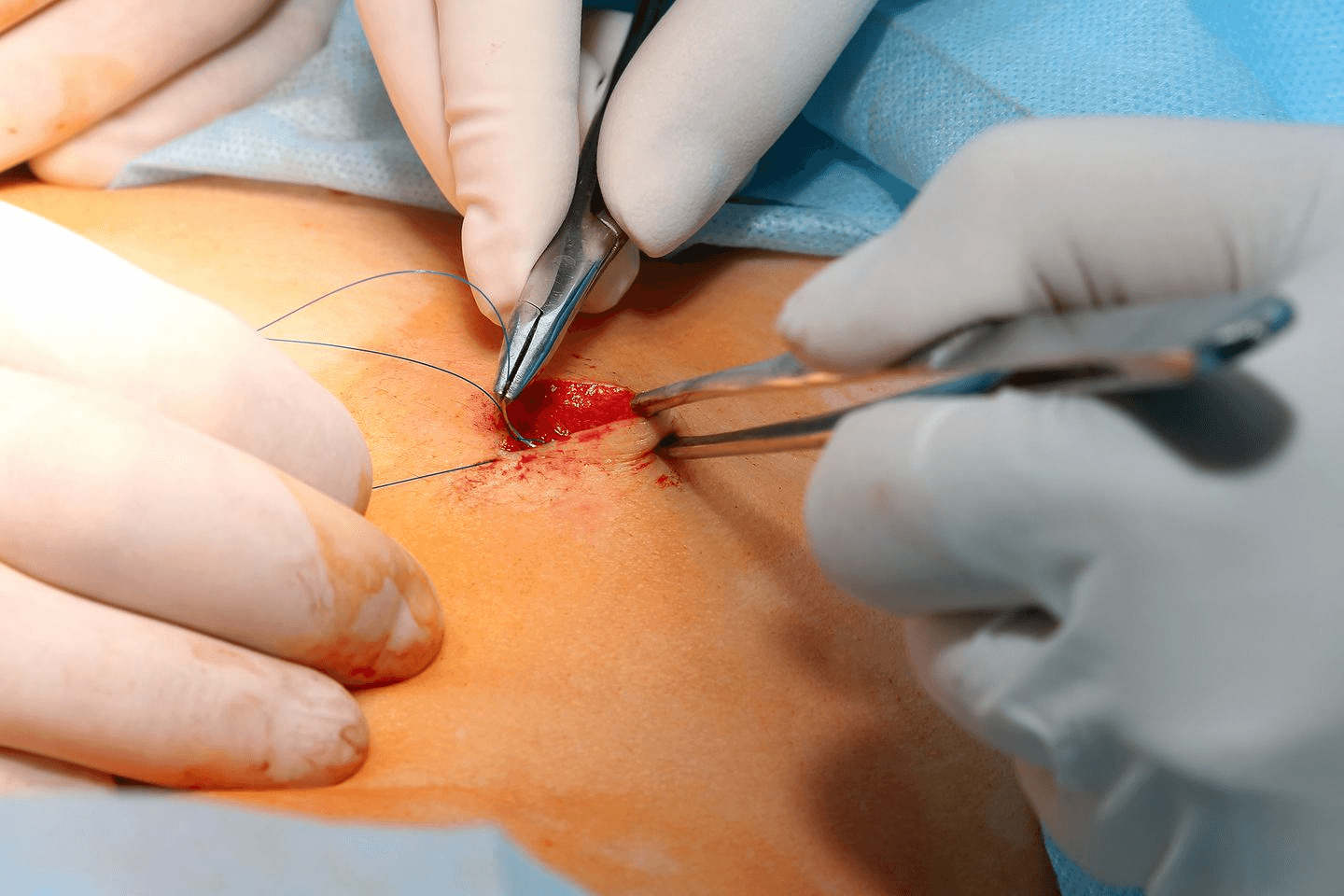
Bariatric surgery has evolved significantly over the years. Today, most procedures are performed using minimally invasive (laparoscopic) techniques, which involve small incisions rather than large incisions.
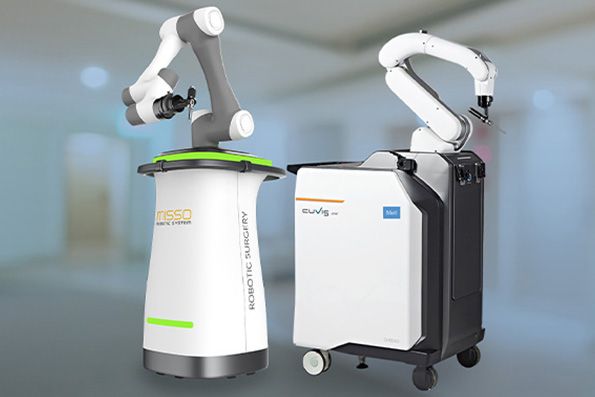
Modern surgical systems now support:
Better visibility for surgeons during surgery
Greater precision while shaping the stomach
Reduced tissue stress and faster recovery
These advances have helped reduce complications, shorten hospital stays, and improve overall patient comfort, in line with globally accepted surgical safety and quality standards.
What the Bariatric Surgery Journey Looks Like
While every patient’s experience is unique, the overall journey usually follows a clear path:
- Pre-surgery evaluation - Medical tests, nutritional counselling, and psychological screening
- Surgery day - Typically lasts 1–3 hours and is done laparoscopically
- Initial recovery - Short hospital stay with gradual return to activity
- Long-term care - Ongoing follow-ups, nutrition guidance, and lifestyle support
This process is designed to ensure safety, sustainability, and long-term success.
Life after Bariatric Surgery: What Changes
After surgery, your body and eating habits will change. Understanding this helps avoid fear and confusion.
Expected Physical Changes
- Smaller portion sizes (you feel full quickly)
- Reduced hunger in the first few months
- Rapid weight loss in the first 6–9 months
- Loose skin (in some patients)
- Changes in bowel habits
Expected Health Improvements
Many patients experience:
- Better blood sugar control (sometimes diabetes medicines are reduced)
- Lower blood pressure
- Improved sleep
- Reduced joint pain
- Increased energy levels
Emotional Changes
- Mood swings in the early months
- Improved confidence over time
- Need for mental support in some cases
These changes are normal and part of the transformation process.
What You Must Do After Surgery
Surgery is only the first step. Your effort determines long-term success.
1) Follow the Diet Plan Strictly
Diet progresses in stages:
- Liquids
Soft foods
Semi-solid
Regular small meals
Avoid:
- Sugary drinks
Overeating
Eating too fast
2) Take Prescribed Vitamins Daily
Depending on the surgery, you may need:
- Multivitamins
Vitamin B12
Iron
Calcium
Skipping supplements can cause weakness and long-term health problems.
3) Start Physical Activity
- Light walking within days after surgery
Gradually increase activity
Long-term goal: 30–45 minutes of daily exercise
Exercise helps prevent weight regain.
4) Attend Regular Follow-up visits
Follow-up schedule may be:
- 1 month
3 months
6 months
1 year
Annually thereafter
This helps monitor:
- Weight loss
Nutrition levels
Overall health
Why Lifestyle Changes Matter
Weight loss surgery works best when combined with healthy habits.
Surgery reduces stomach size. Lifestyle changes protect your results.
Long-Term Habits Required:
- Eat protein-rich meals
- Avoid frequent snacking
- Drink enough water
- Avoid sugary beverages
- Exercise regularly
- Sleep 7–8 hours daily
Without lifestyle modification:
- Weight regain can happen
- Nutritional deficiencies can develop
Surgery is a tool. Lifestyle is the foundation.
How Doctors Decide the Right Surgery for You
The most suitable bariatric procedure varies from person to person. Doctors carefully consider:
BMI and medical history
Existing digestive issues
Readiness for lifestyle changes
Ability to commit to follow-ups
Open discussion with a qualified bariatric specialist helps ensure realistic, informed expectations.
Why Follow-Up Care Is So Important
Surgery is just the beginning. Long-term success depends heavily on follow-up care, which helps:
Track weight loss and overall health
Prevent nutritional deficiencies
Address emotional and mental well-being
Support long-term lifestyle changes
International professional guidance highlights structured follow-up care as an essential part of achieving long-term success after bariatric surgery.
Conclusion
Weight loss surgery has advanced significantly, making it a meaningful option for selected individuals living with obesity. However, it is not a quick fix. Real success comes from informed decisions, long-term commitment, and consistent medical guidance.
If you’re considering bariatric surgery:
Speak with a certified specialist
Understand the benefits and risks
Build a strong support system
Surgery opens the door, but sustained effort and follow-up help you walk through it with confidence.