


















What is Infection Prevention? Importance, Methods & Impact on Patient Safety
Introduction
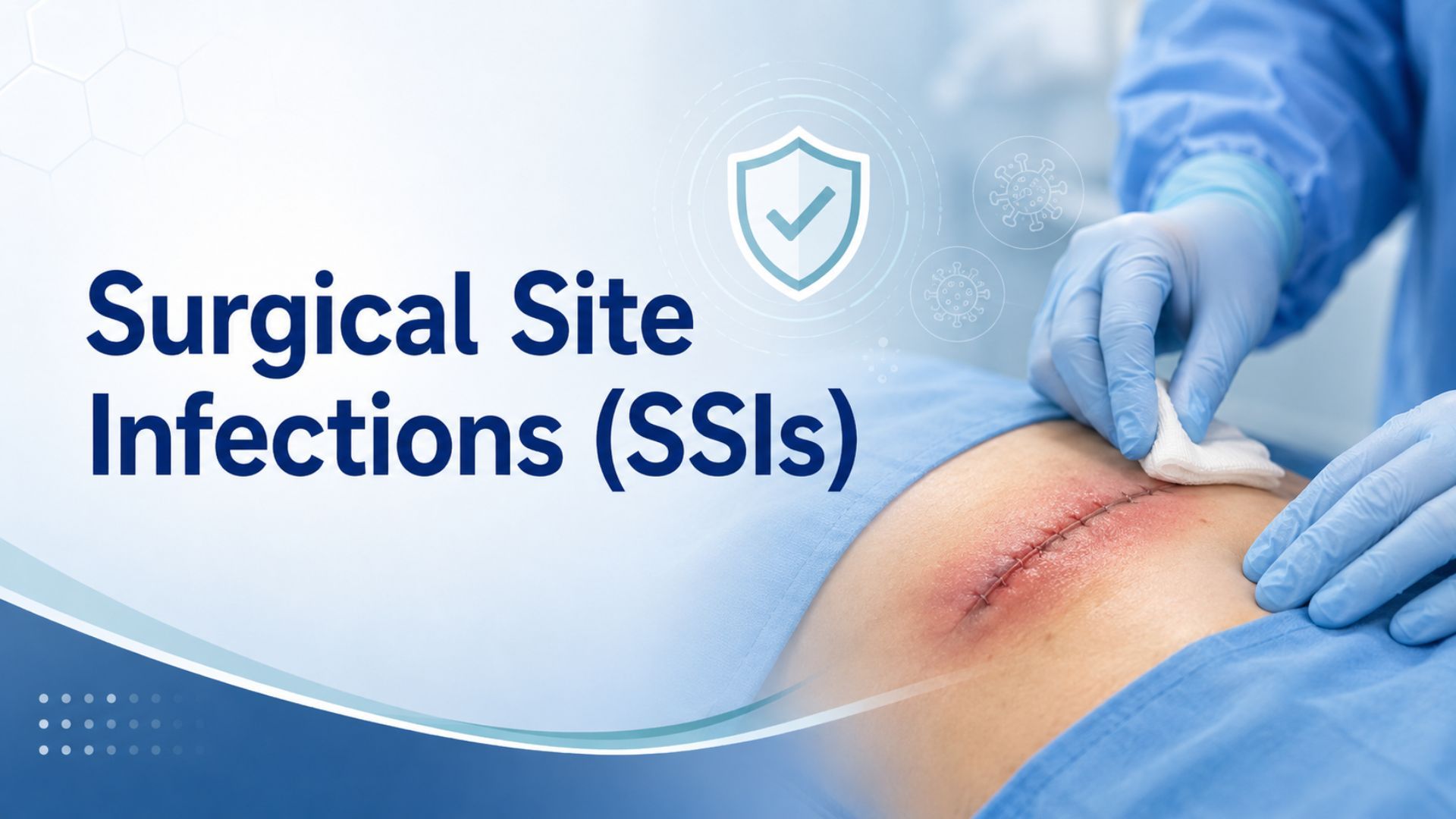
Infection prevention in hospitals is a fundamental pillar of patient safety, with Surgical Site Infections (SSIs) being among the most common and preventable healthcare-associated infections. According to the World Health Organization, hundreds of millions of patients are affected by healthcare-associated infections (HAIs) each year.[1]
SSIs not only prolong hospital stay and increase treatment costs but also significantly impact patient outcomes and trust in healthcare systems. Effective prevention of SSIs begins well before the first incision, through proper patient preparation, hand hygiene, sterile instrument processing, environmental cleanliness, and adherence to evidence-based surgical protocols, and continues throughout the perioperative and postoperative periods. Consistent compliance, teamwork across departments, and a strong culture of accountability are essential to reduce infection risk and ensure safe surgical care.
Why Infection Prevention Matters for Patient Safety
Studies have shown that in underdeveloped nations, the danger of catching HAIs is twenty times greater than in developed nations.[2] The mortality rate in infected patients is very high compared to non-infected patients in the hospital. When a patient is admitted to the hospital, care is taken to prevent infection.
Reduced the spread of microorganisms within the hospital
Lower treatment costs for both patients and hospitals
Increased patient trust and confidence when they return home infection-free
A true win–win situations for all stakeholders, patients, healthcare workers, hospitals, and society
Beyond individual actions, the environment itself is carefully managed. Hospital rooms and high-touch surfaces are cleaned and disinfected regularly. Medical waste is disposed of in accordance with strict protocols. Patients with contagious infections are isolated to prevent cross-transmission. Antibiotic use is guided by clinical evidence to reduce the growing risk of resistance.
Together, these standards create a safer environment, help with a smoother recovery, and build confidence in the healthcare system.
Infection Prevention in Hospitals: Key Practices and Standards
Hospitals follow clear rules to protect patients. Key infection control practices in hospitals include:
Hand Hygiene
Frequent handwashing with soap and water or alcohol-based rubs.
WHO’s “Five Moments for Hand Hygiene” framework is widely adopted.
Use of PPE
Gloves, masks, gowns, and eye protection, depending on exposure risk.
Proper donning and doffing procedures to avoid contamination.
Environmental Cleaning & Disinfection
Routine cleaning of patient rooms, operating theatres, and high-touch surfaces.
Use of hospital-grade disinfectants and sterilisation of medical equipment.
Isolation Precautions
Contact, droplet, and airborne precautions for infectious patients.
Negative-pressure rooms for airborne diseases like tuberculosis.
Antimicrobial Stewardship
Rational use of antibiotics to prevent resistance.
Monitoring prescriptions and promoting evidence-based guidelines.
Surveillance & Monitoring
Tracking hospital-acquired infections (HAIs).
Reporting outbreaks and implementing corrective measures.
Education & Training
Regular workshops for healthcare workers.
Common Types of Hospital-Acquired Infections
One of the biggest risks patients face is hospital-acquired infections. These are infections caught inside hospitals rather than outside.
Type of Infection | Main Cause/Association | Key Risk | Prevention |
|
|
|
|
Urinary Tract Infection | Catheter use | Sepsis, kidney infection | Limit catheter use, aseptic insertion |
|
|
|
|
Surgical Site Infection | Contaminated instruments, poor wound care | Delayed healing, systemic infection | Sterile technique, prophylactic antibiotics |
|
|
|
|
Bloodstream Infection | Central line catheters | Sepsis, organ failure | Proper line insertion, daily review of need |
|
|
|
|
Pneumonia | Mechanical ventilation | Respiratory failure, prolonged ICU stay | Elevate the head of the bed, oral hygiene, minimize ventilation duration |
|
|
|
|
Gastrointestinal Infection | Antibiotic use, C. diff | Severe diarrhoea, colitis | Antimicrobial stewardship, isolation, and hand hygiene |
Each of these infection types is well-studied, and healthcare teams are trained to recognise early signs and respond quickly. The goal is always to catch risk before it becomes a complication.
Methods and Strategies for Effective Infection Prevention
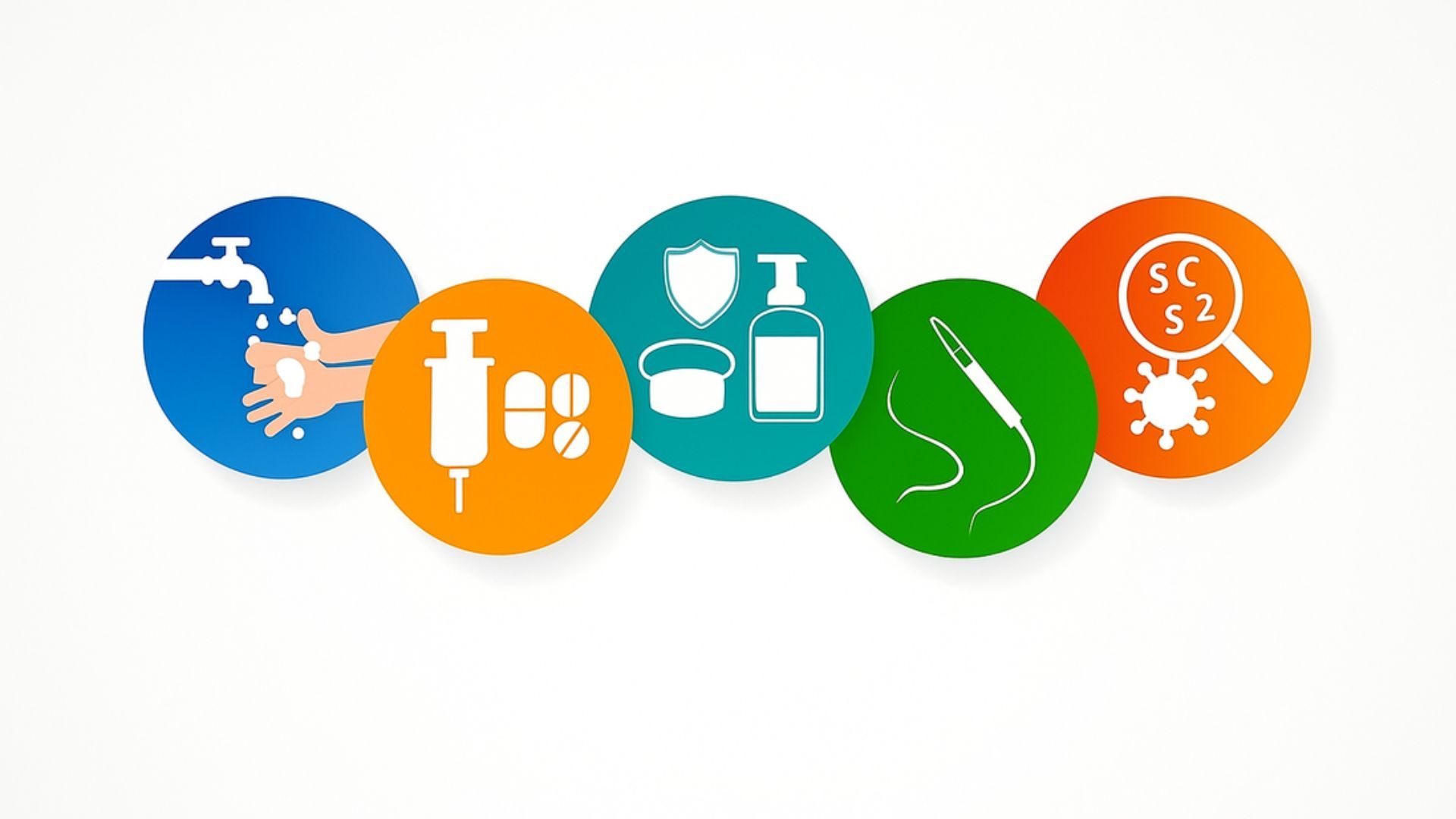
Infection control works because it is multi-layered. No single measure is sufficient on its own; it is the combination of consistent practices that creates a genuinely safe environment. Hand hygiene is the most important, and the appropriate usage of disposable masks, gloves, and gowns when indicated[3]. Regular cleaning of high-touch surfaces and proper disposal of medical waste will reduce the risk of infection. Vaccination benefits patients and health care workers, and educating visitors can raise awareness. These methods collectively provide a strong defence against infections and contribute to a safer healthcare environment.
Role of Healthcare Professionals in Reducing Infections
Healthcare professionals are the driving force behind effective infection prevention. Their commitment to safety protocols directly determines the quality of care patients receive. Their job duties include:
Responsibility | Why It Matters |
|---|---|
Follow infection control protocols | Helps prevent the spread of germs between patients and healthcare workers |
Monitor patients for early signs of infection | Helps detect infections early so treatment can begin quickly |
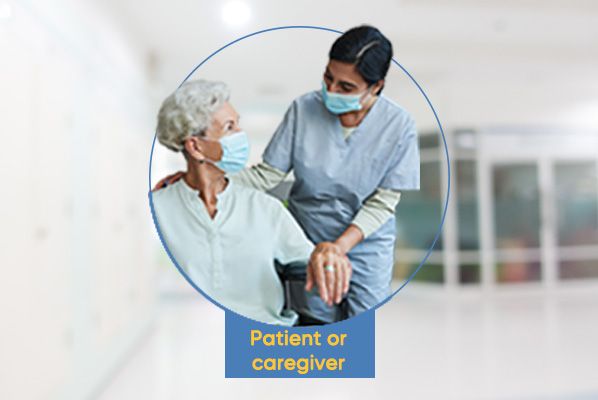
Educate patients and caregivers | Reduces infection risk during hospital stay and recovery |
Report infections through surveillance systems | Allows hospitals to respond quickly and control possible outbreaks |
Promote a culture of infection prevention | Improves compliance with infection prevention measures across the hospital |
How Technology Supports Infection Control in Hospitals
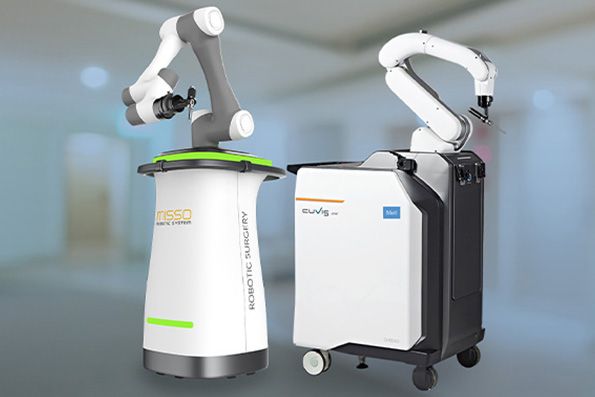
Technology has become a strong partner in hospital infection control. Here are some of the ways it helps:
Automatic sanitizer dispensers reduce manual errors
UV disinfection systems clean rooms and surfaces
Digital tracking of infections improves reporting
Smart ventilators lower the risks of pneumonia
AI-based monitoring alerts staff to infection risks[4]
Challenges in Preventing Hospital-Acquired Infections
Despite some level of progress, there are still challenges:
Challenge | What It Means | Why It Is a Problem |
|---|---|---|
Misuse of antibiotics | Antibiotics may be overused or prescribed when not necessary | This can lead to antibiotic resistance, making infections harder to treat |
Limited patient awareness | Some patients and visitors may not fully understand infection prevention practices | Poor compliance with hygiene or post-care instructions can increase infection risk |
Inconsistent hygiene practices | In busy hospital environments, infection control practices may not always be followed perfectly | Even small lapses in hand hygiene or sterilization can allow infections to spread |
Emerging microorganisms | New bacteria and viruses continue to develop and evolve | Hospitals must constantly update infection control strategies to manage these new threats |
To overcome these, both patients and healthcare staff need to stay careful and committed.
Conclusion
The practices, standards, and technologies that make up this discipline directly shape how safely patients recover, how confidently staff can work, and how effectively health systems can deliver on their core purpose. The best way to safer healthcare is through infection prevention.
Hospitals can decrease the risk of hospital-acquired infections through good hygiene, technology, and staff education. This will speed up recovery and make care safer. Prevention is always better than a cure, and in the case of infections, it can be lifesaving.