
























Role of Surgical Drapes and Apparel in Infection Control
Introduction
A single sneeze in an operating room can release 40,000 droplets, which is why a simple gown or drape can literally save a life. Every surgical field carries a risk of infection due to the number of people, instruments, and machinery. Even in the most advanced operating rooms, bacteria and other microorganisms can enter the body if proper precautions are not taken. Many infections can complicate recovery, prolong hospital stays, and in severe cases, become life-threatening.
Alongside sterilisation of instruments and hand hygiene, surgical drapes and surgical gowns form a defence line. These protocols may seem small, but their role in maintaining a sterile field and protecting the patient and healthcare professionals is immense.
Understanding Surgical Site Infections (SSIs)
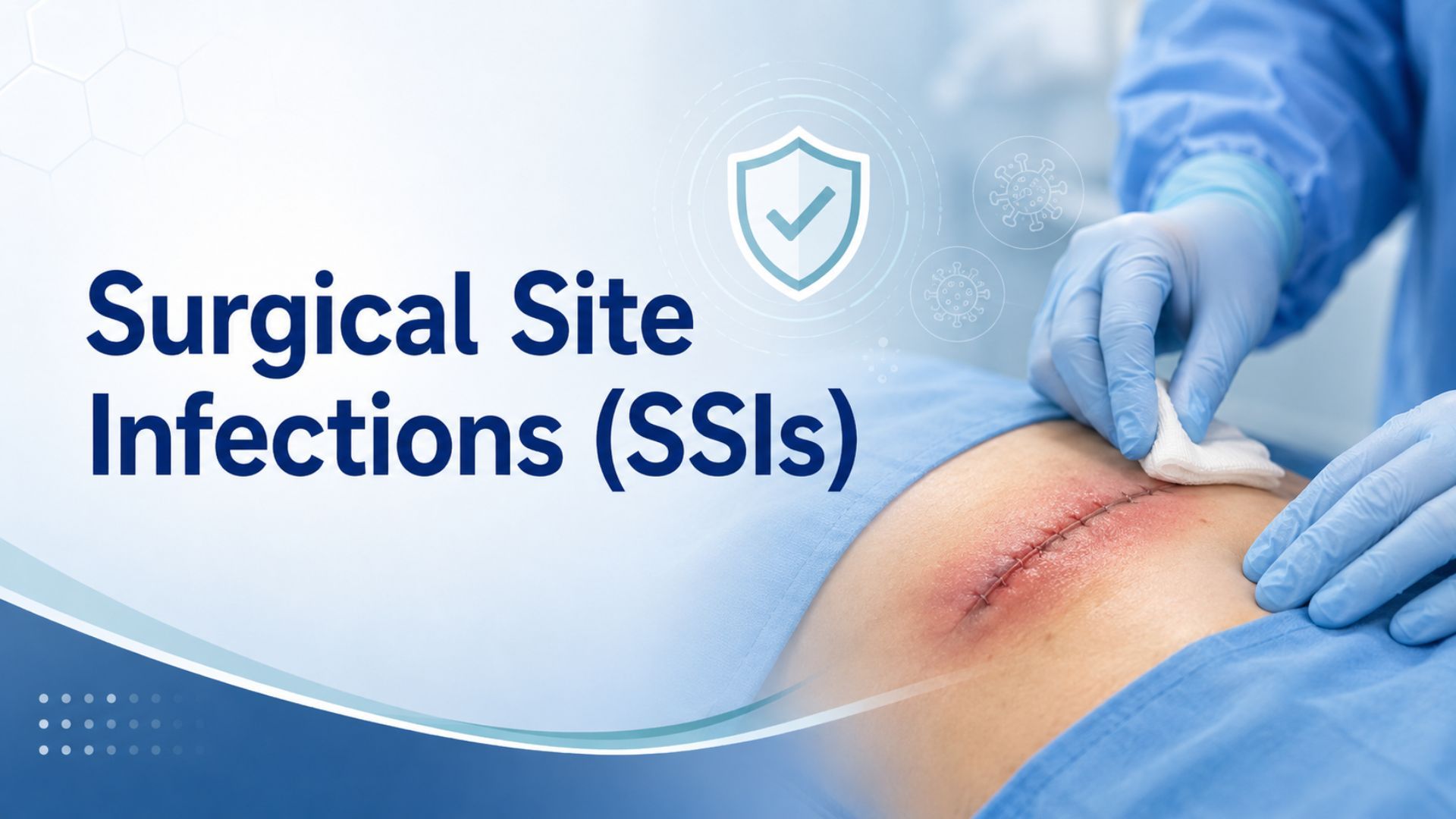
Surgical Site Infections are infections that occur during a procedure due to bacteria present at the surgical site. They typically appear within 30 days of the surgery or, in some cases, up to a year if an implant has been used.
Key facts about SSIs:
They account for about 20% of all healthcare-associated infections worldwide.[1]
The WHO estimates that 11% surgical patients in low- and middle‑income countries (LMICs) develop an SSI[3].
They may present as redness, swelling, and pus, and can also delay wound healing.
Severe SSIs can spread internally, requiring additional surgery or intensive treatment.
- SSIs increase hospital stays by 7–11 days on average and significantly inflate postoperative care costs.[4]
Main causes of SSIs:
Contamination from the patient's own skin microbiome.
Microorganisms in the hospital environment.
Improper sterilisation of instruments or materials.
Inadequate barrier protection during surgery.
By reducing opportunities for contamination, surgical drapes and sterile apparel directly address one of the most preventable causes of SSIs.
Importance of Infection Control in the Operating Room
The operating room is a controlled environment, yet it remains a high-risk area for infections because:
Patients undergo procedures in which natural protective barriers, such as skin, are cut.
Surgical staff work in proximity, increasing the chance of cross-transmission.
Blood, fluids, and tissues exposed during operations are potential sources of contamination.
Strong infection control measures ensure:
A sterile surgical field where the operation can proceed safely.
Reduced risk of complications, enabling patients to recover faster.
Enhanced safety for healthcare professionals exposed to blood and fluids.
Greater overall trust in the healthcare system, as patients associate sterility with safety.
What Are Surgical Drapes and Apparel?
A sterile drape may look like just fabric, but in surgery, it becomes a boundary between safety and risk. Surgical drapes and apparel are specially designed medical textiles used to maintain sterility.
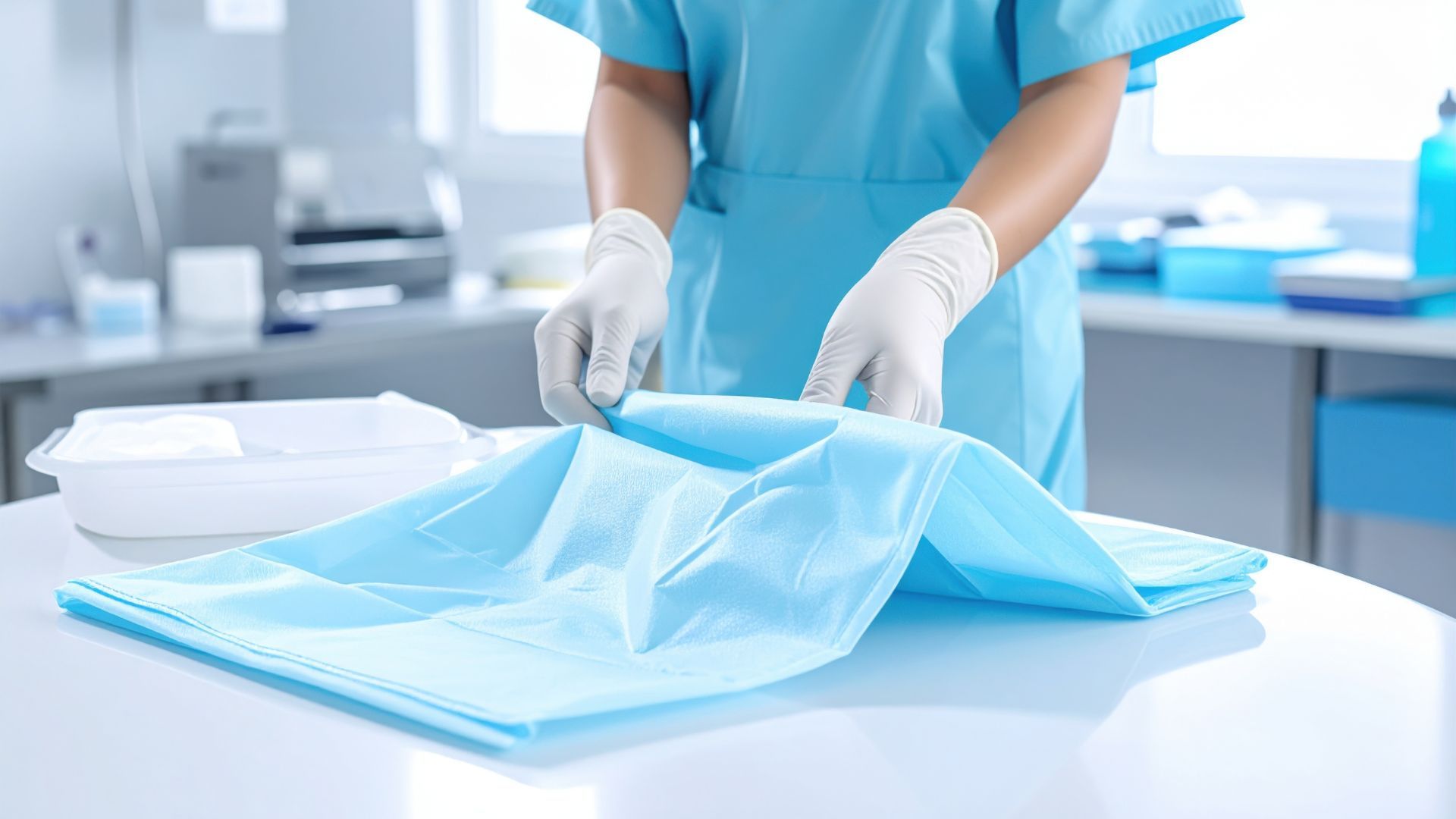
Surgical drapes: Sterile sheets that cover the patient and the surrounding area, exposing only the surgical site.
Surgical apparel: Sterile clothing worn by the surgical team, including gowns, gloves, masks, caps, and shoe covers.
These items are not just protective layers; they are part of a carefully designed infection control protocol that reduces the spread of pathogens.
Role of Surgical Drapes in Infection Prevention
Surgical drapes are used to create and maintain a sterile zone around the surgical site.
Their functions include:
Barrier Creation: Drapes block microorganisms from reaching the patient's skin, the operating table, or the surrounding air.
Fluid Containment: Special drapes absorb blood and fluids, preventing them from spreading.
Instrument Protection: Drapes provide a sterile surface for instrument placement.
Focused Exposure: They allow only the surgical site to remain uncovered, minimising contamination risk.
In an abdominal surgery, sterile drapes are placed across the body, leaving only the incision site visible. It ensures that the instruments, gloves, and tissues in use never come into contact with any unsterile surfaces.
Role of Surgical Apparel in Infection Control
Healthcare workers are exposed to patients' blood, fluids, and tissues during surgery. Surgical gowns and other sterile apparel protect both the team and the patient.
Functions of surgical apparel:
Protect staff: Prevent direct contact with infectious material.
Protect patients: Stop bacteria carried by staff from contaminating the sterile field.
Reduce airborne contamination: Masks, face shields and caps prevent shedding of skin flakes, hair, or respiratory droplets.
Maintain safety standards: Gloves keep body fluids, such as sweat, contained to maintain a sterile field and to prevent contamination of instruments and tissues during handling.
Key apparel items include:
Types of Surgical Drapes and Sterile Apparel
Category | Types | Purpose in Infection Control |
Surgical Drapes | -Disposable Drapes -Reusable Drapes -Speciality Drapes (e.g., fenestrated) | Cover patient and field; prevent microbial transfer |
Surgical Gowns | -Standard Gowns -Reinforced Gowns -Impervious Gowns | Shield staff from fluids and pathogens |
Other Apparel | - Masks - Caps - Gloves - Shoe Covers | Limit airborne, skin, and droplet contamination |
Disposable vs. Reusable:
Disposable drapes and gowns are single-use, ensuring sterility.
Reusable ones must be thoroughly sterilised.
Advances in Materials and Technology
Modern surgical drapes and gowns are far more advanced than their earlier cotton counterparts.
Recent innovations include:
Fluid-resistant and impervious fabrics – Repel blood and bodily fluids effectively.
Breathable yet protective textiles – Balance comfort and sterility for long surgeries.
Antimicrobial coatings – Provide an added layer of protection by actively reducing microbial load.
Eco-conscious designs – Use biodegradable or recyclable materials to reduce hospital waste.
These innovations make sterile apparel safer, more sustainable, and more comfortable for healthcare staff.
Best Practices for Healthcare Teams
Even the best drapes and gowns are ineffective if not used properly.
Key best practices include:
Proper hand hygiene before donning sterile apparel.
Ensuring gowns and drapes remain sterile until use.
Avoiding unnecessary movement in the operating theatre to reduce airborne particles.
Immediate replacement of any gown or drape that becomes wet or torn.
Following correct doffing techniques to avoid contaminating oneself or others.
Checklist for staff compliance:
Wash and disinfect hands before and after procedures
Wear gowns, gloves, and masks correctly
Replace compromised apparel immediately
Dispose of single-use drapes and gowns responsibly
Sterilise reusable items as per protocols
Conclusion
The role of surgical drapes and surgical gowns in infection control is fundamental. They provide a physical and microbial barrier that reduces the risk of surgical site infections, protects healthcare staff, and enhances patient outcomes. The stats are clear: SSIs affect hundreds of thousands of patients annually, adding billions in healthcare costs and, more importantly, causing preventable suffering and death. Yet studies consistently show that rigorous infection control practices, including proper use of sterile drapes and apparel, can reduce SSI rates up to 60%[5]
As surgical practices evolve, the use of advanced sterile apparel and strict adherence to infection prevention protocols ensure safer surgeries. Ultimately, these seemingly simple protective tools save lives by preventing infections.