


























What Are Surgical Site Infections (SSIs)? Everything You Should Know
Introduction
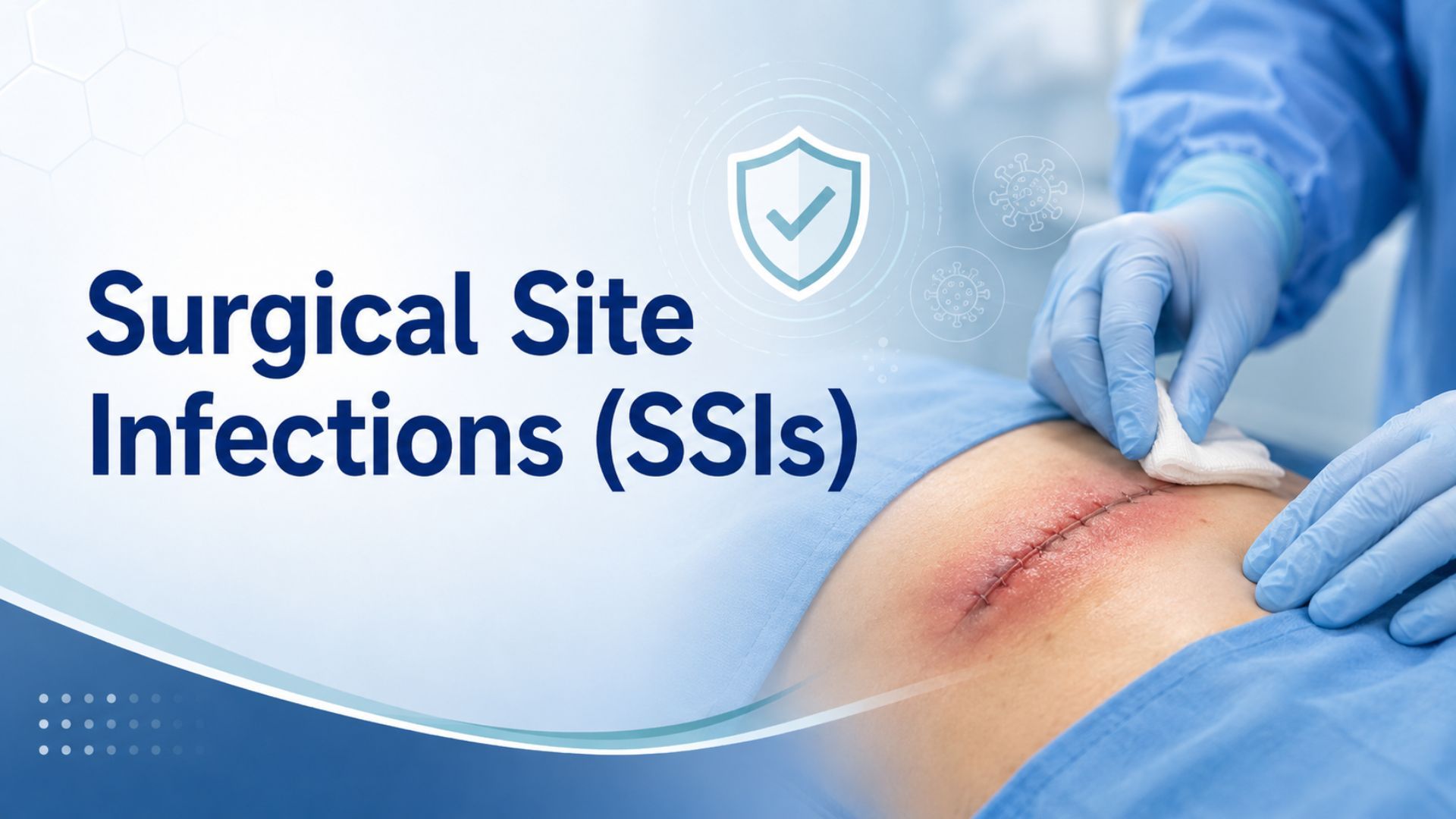
Recovering from surgery can be stressful. While some redness, swelling, or discomfort is normal, these signs may sometimes point to something more serious: a surgical site infection (SSI). SSIs are one of the most common complications after surgery, but the good news is that most of them can be treated and prevented with proper care. It can range from mild, superficial wound infections to deeper infections involving muscle, organs, or implanted devices.
For patients, an SSI can mean slower healing, more discomfort, and unexpected return visits. For hospitals, SSIs increase length of stay, antibiotic use, and the likelihood of repeat procedures. The most effective way to reduce risk is to treat prevention as a perioperative process, starting before the incision, continuing in the operating room, and extending after discharge.
This article explains what SSIs are, their causes, symptoms, and how you can protect yourself after surgery.
What Are Surgical Site Infections (SSIs)?
According to the CDC, a surgical site infection occurs in the area of the body where a surgical procedure was performed.[1] It generally occurs within 30 days after surgery or up to a year if an implant is placed.
SSIs can involve only the skin or extend deeper into tissues, organs, or implanted devices.
They range from mild infections that respond to antibiotics to severe infections that require additional procedures.
Why Surgical Site Infection Prevention Matters in Healthcare
Prevention of SSIs is a top priority in hospitals worldwide, because of the following reasons:
Improved patient safety: Preventing infections reduces the risk of further complications and does not interrupt healing.
Better surgical outcomes: Prevention ensures the surgery achieves its intended result without setbacks.
Reduced antibiotic use: Avoiding infections helps minimize antibiotic resistance.
Types of Surgical Site Infections
SSIs are classified into three main categories:
Type | Depth Involved | Common Symptoms[2] | Potential Clinical Impact |
Superficial Incisional SSI | Skin and subcutaneous tissue | Redness, swelling, and purulent discharge | Delayed wound healing |
Deep Incisional SSI | Muscle and fascia | Fever, persistent pain, wound dehiscence | Tissue damage, need for surgical management |
Organ/Space SSI | Organs or spaces involved in surgery | Abscess, systemic symptoms, severe pain | Sepsis, organ dysfunction |
Main Causes of SSI and Risk Factors
The causes of SSI can involve contamination of the site during or after surgery. Certain groups of people are more susceptible to an SSI. Risk factors are typically grouped into patient-related, procedure-related, and postoperative categories. They are as follows:
Patient-related risks
Diabetes or uncontrolled blood sugar
Poor nutrition or obesity
Weak immune system
Smoking or alcohol abuse
Surgery-related risks
Longer duration of surgery
Use of surgical implants (like mesh, joint replacements)
Emergency procedures with limited preparation
Inadequate sterilization or poor surgical technique
Postoperative risks
Poor wound care after discharge
Not following medical advice on hygiene and rest[2]
Common Symptoms of Surgical Site Infections
You can observe signs for SSIs within a few days after the surgery. Symptoms for SSI may include:
Redness and swelling at and around the surgical site[1]
A warmth and tenderness around the incision.
There can be oozing pus, discharge, or foul odour at the site.
You may get a persistent fever or chills.[1]
You may experience increased pain at the surgical site.
There may be a delay in healing or the wound may reopen.
How Surgical Site Infections Are Diagnosed
Doctors use a combination of diagnostic tests to make a diagnosis. To make a proper diagnosis, the doctor can conduct the following tests:
Physical examination: The doctor checks the patient for redness, swelling, and pus.
Lab tests: They may suggest some blood tests to detect infection markers or any elevated levels.
Wound culture: It helps to identify the specific bacteria that can cause the infection.
Imaging tests: X-ray, CT, or ultrasound if infection spreads to organs.
The depth and severity of infection determine further management.
Treatment Options for Surgical Site Infections
Treatment taken by the medical professional will depend on the seriousness of the infection:
Antibiotics: Doctors may prescribe them for mild to moderate infections.[1]
Wound care: You may be advised to clean the wound, change the dressing, and drain the pus.
Surgical intervention: Removal of infected tissue or implants in severe cases
Supportive care: Pain relief, hydration, and nutrition support to aid healing.
Not all SSIs require repeat surgery, but deeper or organ/space infections may need operative management.
Effective Strategies for Surgical Site Infection Prevention
Prevention requires teamwork between healthcare providers and patients. SSI prevention spans three key phases.
Preoperative Measures
Optimizing the patient's blood glucose control
Smoking cessation
Appropriate skin preparation
Timely antibiotic prophylaxis when indicated
Intraoperative Measures
Strict sterile technique
Proper instrument sterilization
Maintenance of normothermia
Minimizing unnecessary operative duration
Postoperative Measures
Proper wound care and dressing protocols at the incision site
Clear discharge instructions
Early reporting of abnormal symptoms
Adherence to prescribed medication
Possible Complications If Surgical Site Infections Are Left Untreated
If ignored, SSIs can lead to:
Abscess formation and tissue damage
Sepsis (life-threatening bloodstream infection)
Delayed wound healing and longer hospitalization
Increased risk of organ failure
Need for repeat surgery or implant removal
Conclusion
Recovering from surgery takes time, and it’s natural to feel worried about changes around your incision. Understanding the causes of SSI, symptoms, and effective infection prevention measures ensures better recovery and reduces complications. By following your doctor’s advice, keeping the wound clean, and staying alert to symptoms, you can play an active role in protecting your health and ensuring a smoother recovery.