Laparoscopy and the Future of Robotic Surgery
Introduction
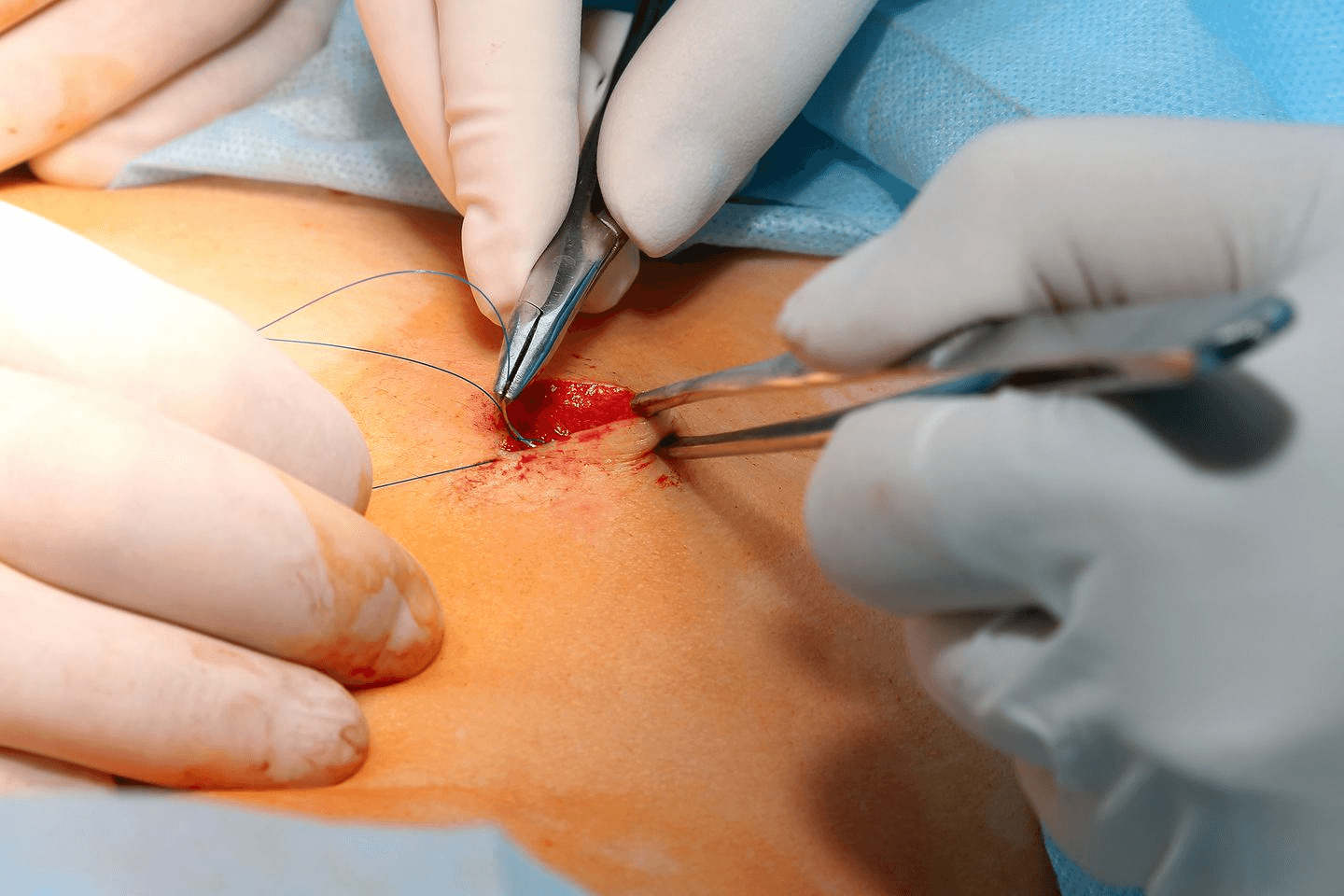
Surgery has undergone dramatic changes over the decades. What once required large open incisions, often resulting in significant pain, higher complication risks, and long recovery periods, has steadily moved toward more patient-friendly approaches. Advancements in medical technology paved the way for minimally invasive techniques that reduce physical trauma and support quicker healing. Among these innovations, laparoscopy marked a turning point, redefining how surgeons access and treat internal organs with precision and care.
What Is Laparoscopic Surgery?
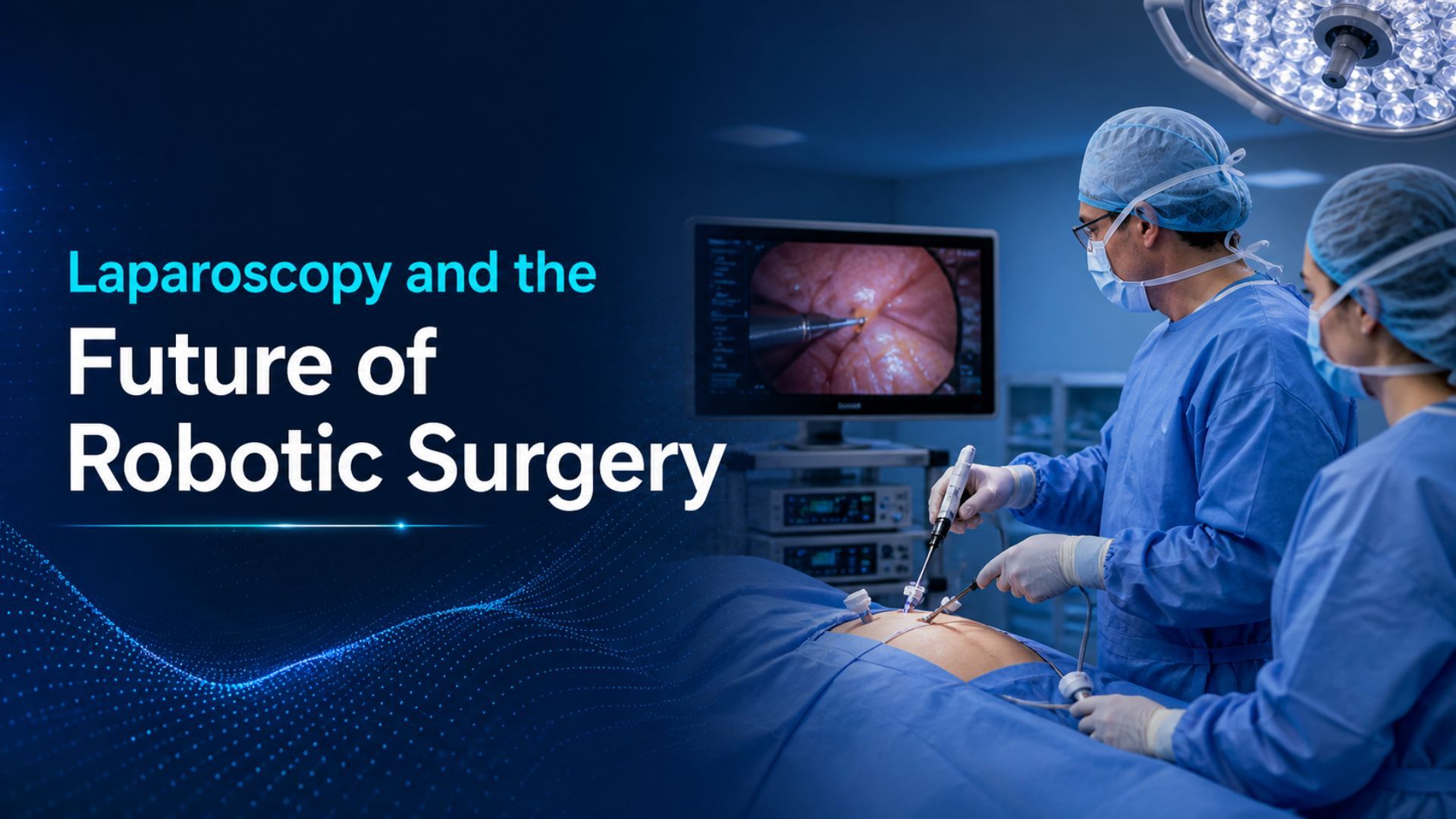
Laparoscopic surgery is a minimally invasive technique in which surgeons perform procedures through small keyhole incisions. A thin camera called a laparoscope provides a magnified view of the internal organs, while specialised instruments allow surgeons to operate with accuracy inside the body.
It avoids large incisions and generally results in reduced post-operative pain, lower risk of infection, minimal scarring, and faster recovery.
Key Instruments Used in Laparoscopic Procedures
Laparoscopic surgery relies on carefully designed tools that enable surgeons to work through tiny openings.
Trocars and ports act as gateways into the body.
High-quality cameras and lights provide clear, magnified images.
Graspers, scissors, and dissecting instruments handle tissue delicately.
Energy devices, such as electrocautery tools, help seal or cut blood vessels.
Robotic arms or handheld robotic systems allow enhanced, steady movements.
Suturing devices are used to stitch inside the body.
These instruments work together to enable safe, effective surgery with minimal disruption. How these tools integrate with a surgeon's skills and judgment truly matters. Advanced imaging and robotic technology enable precision that traditional tools alone cannot offer.
Advantages and Disadvantages: Open Surgery vs. Laparoscopy
Aspect | Open Surgery | Laparoscopic/Robotic Surgery |
Incision Size | Large | Small ports |
Recovery Time | Usually longer | Faster recovery |
Pain and Scarring | More noticeable | Minimal |
Surgeon's Visibility | Direct view and tactile feedback | Video-based view |
Instrumentation | Conventional surgical tools | Specialized laparoscopic devices |
Equipment Costs | Lower | Higher due to advanced technology |
Suitability | Complex cases, emergencies | Elective, less invasive cases |
Open surgery remains essential for complex or emergency cases, while laparoscopy offers many benefits for less invasive procedures.
Rise of Robotic Assisted Systems
Robotic technology has added a new level of precision and control to laparoscopic and soft-tissue surgery. Instead of relying solely on rigid instruments, surgeons can now use robotic systems that offer wrist-like motion, steadier control, and far greater flexibility within the body. Even natural hand tremors get filtered out, making delicate steps safer and more predictable.
A major advantage is the view surgeons get during these procedures. Robotic laparoscopic surgery provides a clear, 3D magnified image of the surgical area, helping surgeons see fine details and work with greater confidence. It also improves overall ergonomics, reducing physical strain during long or complex surgeries.
While these robotic systems support the surgeon, they don’t perform the treatment on their own—they simply enhance the surgeon’s skill. Their adoption is growing, but factors such as cost, training requirements, and the learning curve still influence how widely they’re used.
Even so, robotics continues to advance minimally invasive surgery, making procedures more precise and patient-friendly than ever before.
When These Approaches Are Usually Considered?
Doctors weigh several factors before deciding between open and laparoscopic surgery. Open surgery is generally chosen for complex situations—such as large or invasive tumours, extensive scarring from previous operations, or emergency conditions where quick access is critical.
On the other hand, laparoscopy is often considered when the issue is localised and can be safely managed through small incisions. Its faster healing, reduced pain, and shorter hospital stay make it a suitable option for many patients when the situation allows.
Ultimately, the choice depends on the patient’s overall health, the nature of the condition, and the surgeon’s expertise. The goal is always to choose the safest, most effective approach for that specific case.
What Does the Future Hold for Minimally Invasive Surgery?
Exciting innovations are emerging, such as:
Miniature instruments and micro-robots for even less invasive access.
Augmented reality overlays that guide surgeons during operations.
Artificial intelligence provides real-time assistance or alerts.
Flexible, soft-robotic tools to navigate hard-to-reach areas.
Remote-controlled robotic surgeries allow experts to operate from afar.
These technologies aim to make surgeries safer, quicker, and more precise.
Conclusion: A Balanced Approach to Modern Surgery
Open, laparoscopic, and robotic techniques each have a meaningful place in today’s surgical world. Open surgery remains vital for complex, large, or emergency conditions where direct access is essential. Laparoscopy—and its newer robotic-assisted forms—offers smaller incisions, quicker recovery, and greater precision for many suitable cases.
As technology advances, tools such as robotic systems, enhanced imaging, and AI support are helping surgeons perform procedures with greater accuracy and control than ever before. But even with these innovations, the heart of surgery remains the same: the expertise, judgment, and teamwork of the surgical team.
In the end, the “best” approach isn’t defined solely by the tools. It’s a thoughtful decision made by the doctor based on the patient’s condition, safety, and long-term well-being. The future of surgery will continue to blend technological progress with skilled human care, bringing safer, more refined and more patient-friendly options to the operating room.