How Minimally Invasive Surgery Is Transforming Cancer Care across India
Introduction
Minimally invasive surgery is changing how doctors approach cancer care in India. Instead of a large cut, surgeons use tiny incisions, a camera, and fine instruments to see and treat the tumour from inside the body. In many cancers, these techniques can help with biopsies to confirm diagnosis, remove early or selected tumours with greater precision, and assess how a tumour has spread within the body.
For people already coping with the emotional weight of cancer, smaller cuts, less pain, and quicker recovery can make a real difference.
Minimally Invasive Surgical Techniques in India
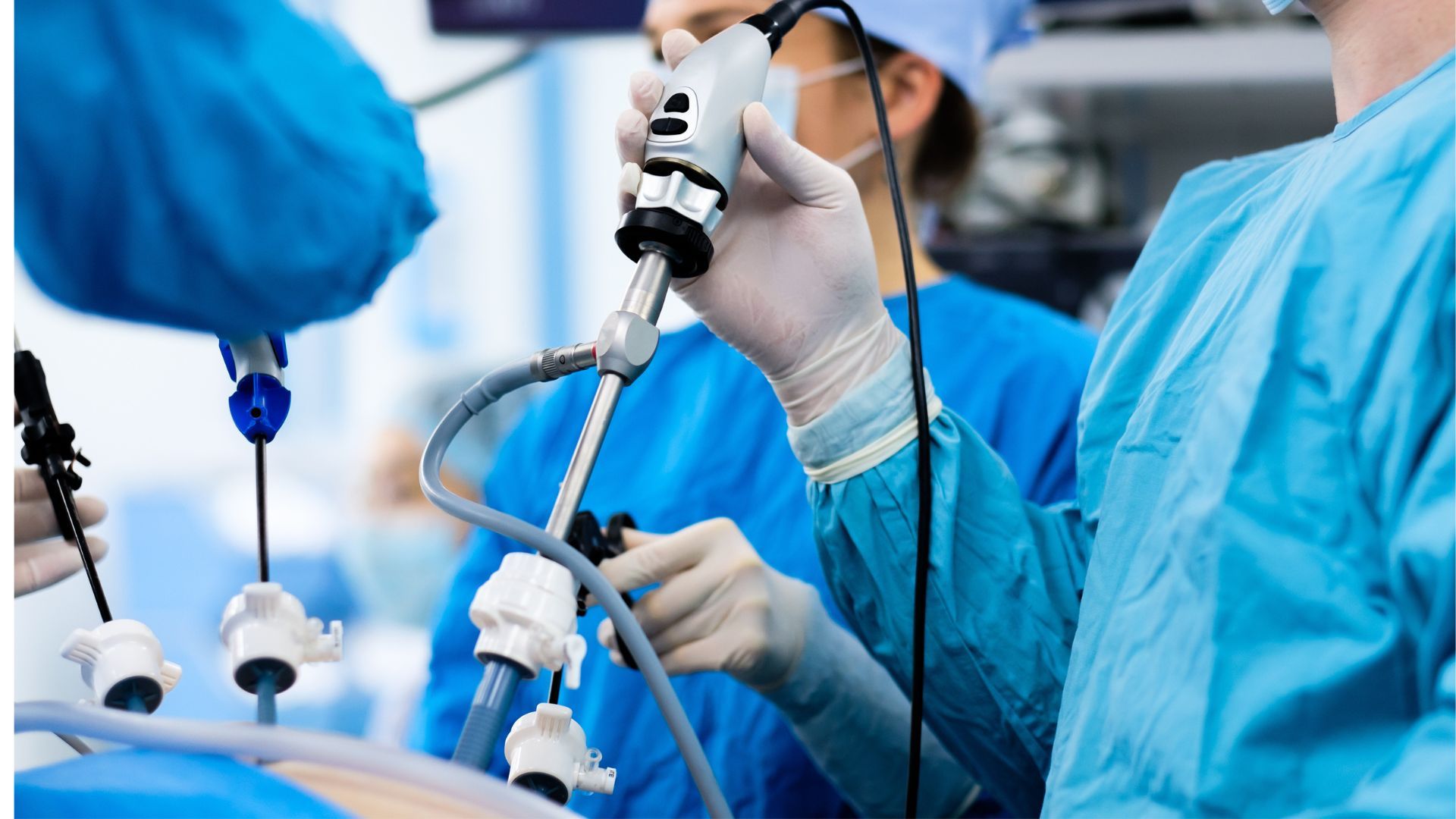
In minimally invasive cancer surgery, precision is the focus. Surgeons operate using a video screen that shows a magnified view of the inside of the body.
Common techniques include:
Laparoscopic surgery
Uses small cuts in the abdomen
Often used for cancers of the colon, stomach, liver, uterus, and ovaries
Thoracoscopic surgery
Uses small cuts between the ribs
Helps treat some lung and chest tumours
Endoscopic procedures
A thin tube with a camera is passed through a body opening
Used for early-stage cancers of the digestive system and some head and neck areas
A surgeon controls robotic arms from the console
Offers very steady movements and excellent visibility in complex cases
These approaches aim to remove the tumour safely while protecting as much healthy tissue as possible.
The Evolving Landscape of Minimally Invasive Cancer Care in India
Cancer care in India is steadily moving towards more patient‑centred treatment. This includes not only fighting the disease but also helping people maintain independence, dignity, and quality of life.[1]
Key changes you may notice are:
More cancer centres with dedicated surgical oncology teams
Better access to imaging, such as CT, MRI, and PET-CT scans
Growing use of tumour boards, where different specialists plan treatment together
Increased awareness among patients of better, multiple options, such as minimally invasive surgery.
While access still varies between big cities and smaller towns, hospitals are working to offer minimally invasive choices when it is safe and appropriate.
How Minimally Invasive Cancer Surgery Fits Into Surgical Practice
Minimally invasive methods are now part of routine planning for many cancers in India, rather than a rare "special" option.
They can be used to[2]:
Confirm diagnosis – taking small tissue samples through keyhole surgery
Stage the cancer – looking inside to see where the tumour has spread
Remove early-stage tumours – sometimes with the intention to cure
Relieve symptoms – for example, opening a blocked bowel in advanced cancer
Doctors weigh up whether minimally invasive surgery or open surgery will give the safest, most effective result for each individual.
Within this approach, advanced surgical tools are important. In many Indian operating theatres, surgeons now use specialised minimally invasive instruments and a stapling system. These devices are designed to support precision, control, and consistency, helping surgical teams perform delicate cancer procedures safely.
Key Factors Driving the Use of Minimally Invasive Techniques
Several reasons explain why more teams are choosing minimally invasive methods where suitable:
Smaller cuts and scars
Can reduce trauma to the body
Many people find the cosmetic result more acceptable
Less pain for many patients
Pain is usually milder than with open surgery
Often easier to walk, breathe deeply, and move soon after the operation
Quicker recovery for selected cases
Shorter hospital stays in many situations
Faster return to basic daily activities and, in some cases, work
Clearer view for the surgeon
High-quality cameras can show tiny structures and may help to protect your nerves, blood vessels, and healthy organs
Considerations and Shared Decision Making in Minimally Invasive Cancer Surgery
When does your doctor suggest minimally invasive surgery, and when does open surgery remain safer or more effective?
Decision factor | What it means for you |
Cancer stage | Advanced or bulky tumours may be more suitable for open surgery in some cases |
Tumour location | Certain locations may be difficult to access using minimally invasive techniques |
Overall health | The patient's heart, lung, or other medical conditions may affect the safest surgical approach |
Surgical expertise | Outcomes are often better when the procedure is performed regularly by the surgical team. |
Technology and Innovation in Cancer Surgery
Technology has enabled modern minimally invasive cancer surgery and made it safer. Important developments include:
High‑definition and 3D cameras
Advanced energy devices
Better imaging and navigation
Data, training, and simulation
As innovation continues, these tools are expected to support even more precise, personalised cancer surgery in the future. In many operating theatres, surgeons now use ultrasonic devices to carefully cut and seal tissue through tiny incisions. Systems like Meril’s Mesic Compact Ultrasonic Surgical System are designed to support precise, controlled steps in minimally invasive surgery. This helps the team work efficiently while trying to protect as much healthy tissue as possible
Conclusion
Minimally invasive surgery is already an important part of cancer care in India. These surgeries involve smaller cuts, potentially less pain, a quicker recovery, shorter hospital stays, and accurate, well‑planned tumour removal in experienced hands.
However, every person and every cancer is different. The "right" operation is the one that offers the best chance of control or cure, with acceptable risks, for you. The most important step is an honest discussion with your cancer care team about all available options.
Disclaimer: This article is for general information only and does not replace medical advice. Always speak directly with your doctor or surgeon before making any treatment decisions.