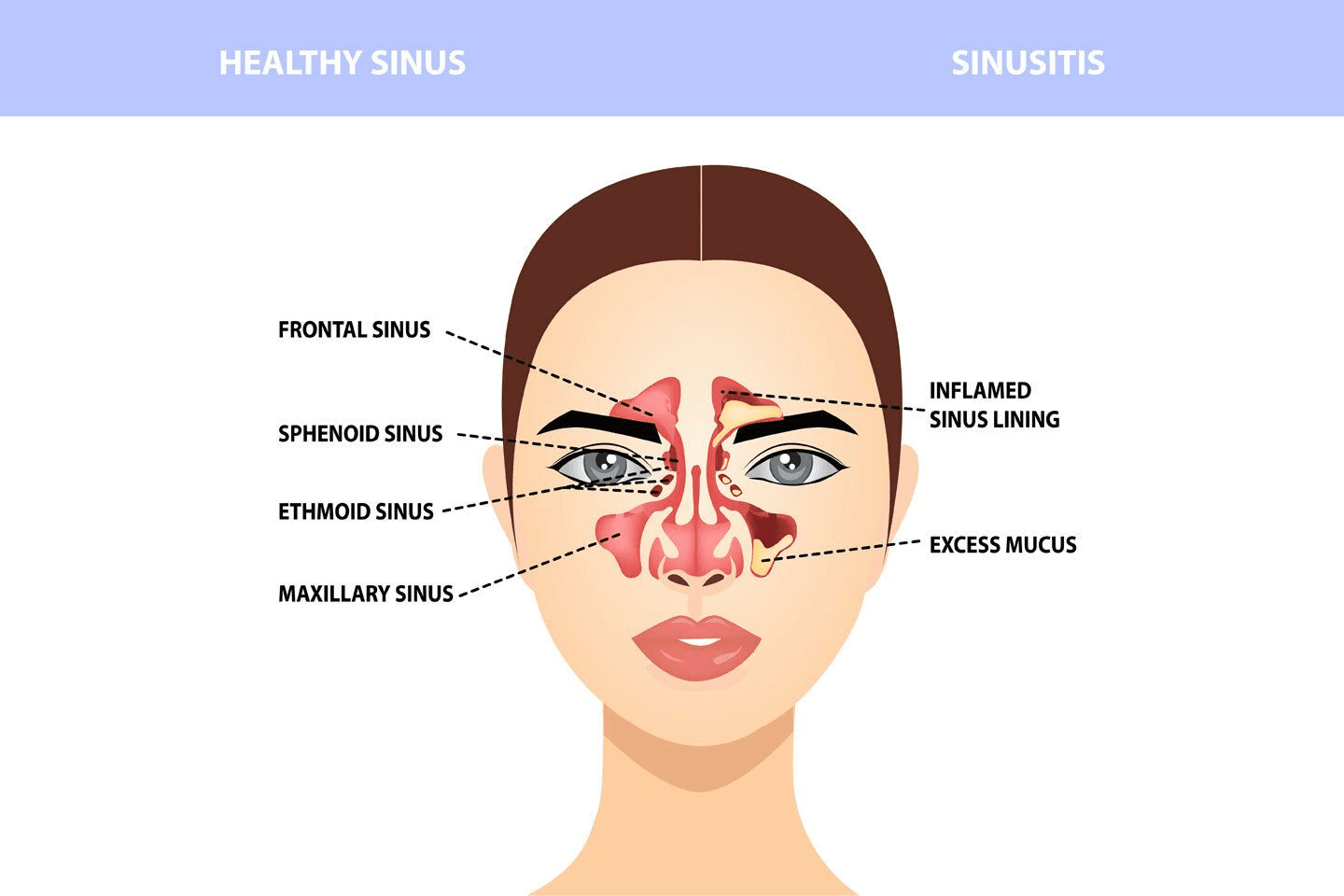
Fact Checking Common Myths about Sinusitis
Introduction
If you’ve ever had a blocked nose, pressure around your eyes, or heaviness in your head that just wouldn’t clear, you may have wondered: “Is this sinusitis?”
There is a lot of confusion around sinus problems, and many myths continue to circulate. Some people believe sinusitis is always serious. Others assume it spreads easily, needs antibiotics immediately, or always leads to surgery. These misunderstandings can create unnecessary anxiety or delay the right care.
This blog addresses common misconceptions about sinusitis using clear, easy-to-understand explanations.
Myth 1: Sinusitis is always caused by bacteria
Fact: Most sinus infections begin as viral infections, similar to the common cold. Only a smaller portion turns bacterial. That is why antibiotics are not always needed.
✅ Example:
If you have a cold for a few days and it gradually improves, it is unlikely to be bacterial sinusitis.
Myth 2: Sinusitis spreads from person to person
Fact: Sinusitis itself is not contagious.
However, the virus that causes a cold can spread to others, which may later trigger sinus inflammation in some people.
✅ You cannot “catch sinusitis” directly, but you may catch the cold that leads to it.
Myth 3: Green or yellow mucus always means antibiotics are needed
Fact: Mucus colour alone does not confirm a bacterial infection. Thick, coloured mucus can occur even during viral infections.
Doctors usually assess:
- Duration of symptoms
- Severity
- Fever and facial tenderness
✅ Colour alone is not enough to decide treatment.
Myth 4: Everyone with sinusitis has facial pain or a severe headache
Fact: Sinusitis symptoms vary widely from person to person. Some people may experience pain and pressure, while others may mainly experience congestion, fatigue, or post-nasal drip.
You may experience:
- Nasal blockage
- Thick nasal discharge
- Post-nasal drip
- Reduced sense of smell
- Mild pressure without obvious pain
✅ Not having facial pain does not automatically rule out sinus issues.
Myth 5: Using decongestant nasal sprays daily is harmless
Fact: Overuse of decongestant sprays can cause rebound congestion, where symptoms worsen after stopping the spray. This is called rhinitis medicamentosa.
✅ Safer approach:
- Use decongestant sprays only for short periods
- Follow medical advice for longer-term symptoms
- Consider saline sprays for supportive relief
Myth 6: Surgery is the only solution for chronic sinusitis
Fact: Many people with chronic sinusitis are managed successfully without surgery. Treatment usually focuses on reducing inflammation and improving sinus drainage.
Surgery is generally considered only when:
- Symptoms persist despite appropriate medical care
- There is a significant blockage or structural issues
- Quality of life is strongly affected
What Happens After Sinus Surgery?
When sinus surgery is advised, it is often done to improve airflow and drainage rather than to “cure” sinusitis on its own.
After surgery:
- The nasal lining needs time to heal
- Swelling and irritation can occur early on
- Temporary wound care may be required
In some cases, clinicians may use absorbable nasal packing as a temporary wound dressing to support healing. Products such as Noszel™ are designed to support tissue healing, minimise oedema, and help reduce adhesion formation during recovery.
✅ This is part of post-surgical care and does not mean surgery is needed for everyone with sinusitis.
Why Myths Persist? Common Sources of Misconception
Sinus myths survive because they are repeated often and seem logical.
Common reasons misinformation spreads:
- advice passed down in families
- internet forums without medical review
- self-diagnosis based on symptoms alone
- applying past personal experience to everyone
✅ A headache once linked to sinusitis does not mean every headache is sinus-related.
How to Avoid Falling for Myths
Simple steps to stay informed:
- Avoid self-diagnosing based on one symptom
- Be cautious with online advice
- Ask questions during medical visits
- Follow evidence-based guidance
If something sounds too absolute (like always or never), it is worth double-checking.
How to Know You Might Have Sinusitis (and When to Seek Care)
Not every blocked nose needs a doctor, but some signs should not be ignored.
Possible sinusitis symptoms
- Nasal blockage lasting more than 10 days
- Thick nasal discharge
- Pressure around the eyes, nose, or forehead
- Reduced smell or taste
- Post-nasal drip with cough
Seek medical advice if:
- Symptoms last longer than expected
- Pain or pressure worsens around the cheeks/forehead
- Fever develops
- Symptoms keep returning
Early evaluation helps prevent complications and unnecessary treatments.
Conclusion
Sinusitis is common, but myths around it can cause confusion and stress. When you separate fact from fiction, it becomes easier to make informed decisions and seek care at the right time.
Remember:
- Not all sinus issues require antibiotics
- Symptoms may vary widely
- Over-treating can sometimes be as harmful as ignoring symptoms