Urinary Tract Infections (UTIs): Symptoms, Causes & Remedies
Introduction
Urinary Tract Infections (UTIs) are among the most frequently occurring health issues, affecting millions of people worldwide each year. A UTI infection occurs when bacteria enter the urinary tract and cause discomfort. UTIs are more common in women than in men.[1] While most cases are not life-threatening, untreated infections can lead to serious complications.
What is a Urinary Tract Infection (UTI)?
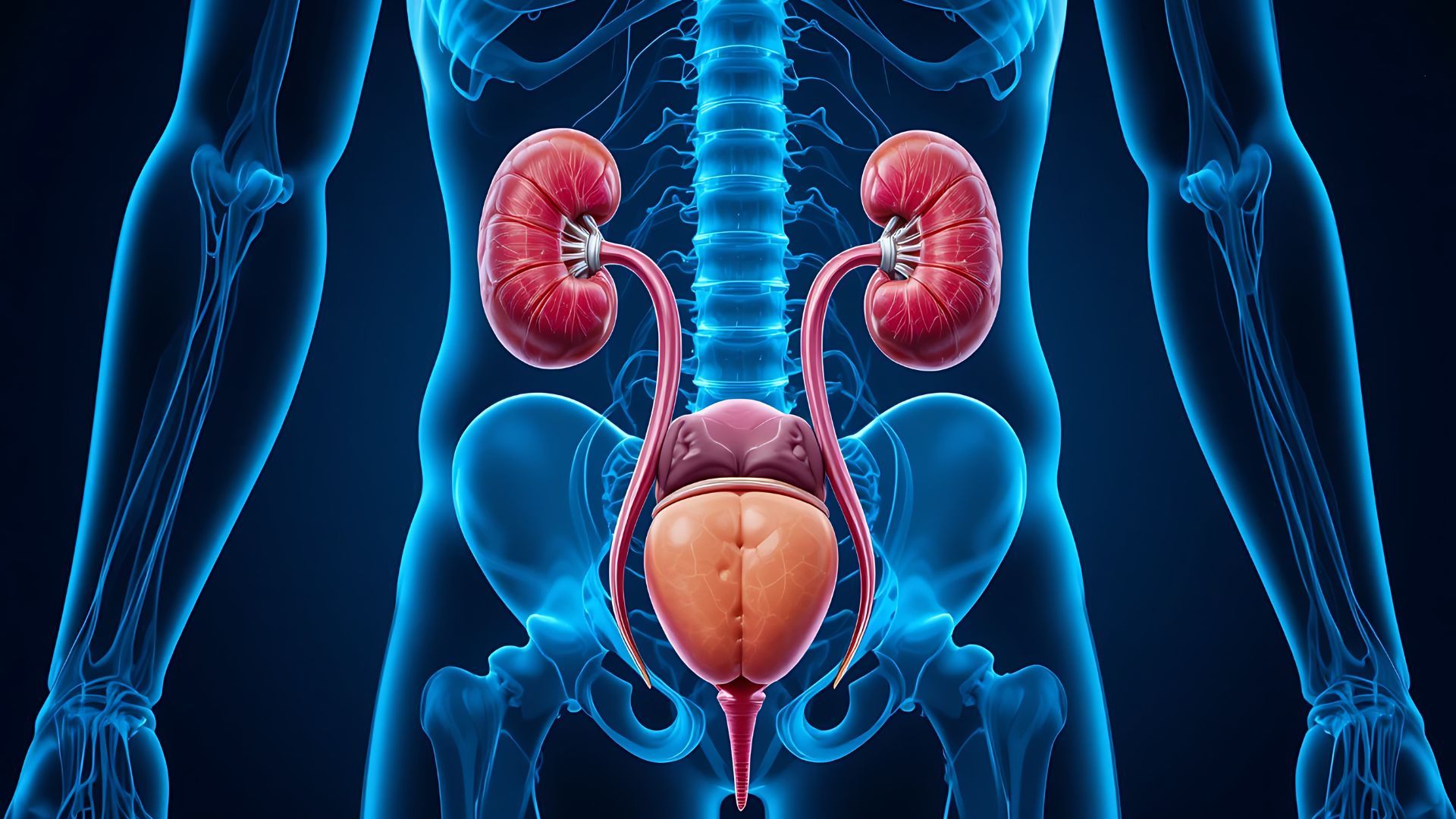
The urinary tract refers to the kidneys, ureters, urinary bladder and urethra.[2] When harmful bacteria, mostly E. coli, invade any part of this system, an infection can occur.[2] Although UTIs are more common in women because of their shorter urethra, men and children can also develop them.
UTI Symptoms to Watch Out For
Early recognition of UTI symptoms can save from complications. Here are the most common ones:
Burning sensation while urinating
Strong urge to urinate often
Passing small amounts of urine frequently
Cloudy, dark or strong-smelling urine
Blood in urine
Pain or pressure near the lower abdomen or pelvis
Severe Signs That Need Medical Attention
If the infection continues to spread and reaches the kidneys, it can be a cause for concern. So keep a check on below mentioned symptoms:
High fever and chills
Pain in the lower abdomen, back or side
Nausea and vomiting
Fatigue (especially in elderly patients)
Note: Severe UTIs must not be ignored. Always get a professional medical opinion if the problem persists.
What Causes UTIs?
The main culprit is bacteria; 90% of UTIs are caused by E. coli,[2] which comes from the digestive tract and enters the urinary system. Other causes include:
Poor personal hygiene
Sexual activity that introduces bacteria into the urethra
Holding urine for long periods
Using contaminated public toilets
Dehydration and low water intake
Risk Factors That Increase the Chances of UTI Infection
Some people are more prone to Urinary Tract Infections due to:
Being female (shorter urethra)
Pregnancy
Menopause (lower oestrogen levels)
Kidney stones or blockages
Weak immune system
Diabetes
Use of urinary catheters
Remedies and Treatment for UTIs
Medical Treatment Options
UTI should not be ignored, as it can progress into kidney damage. Treatments usually include:
Antibiotics prescribed by a doctor
Pain relievers to ease discomfort
Hydration therapy – by drinking more water helps to flush bacteria
Follow-up tests if infection occurs often
Self-medication is not recommended. Always consult a healthcare professional.
How to Prevent UTI Infection
Prevention is better than a cure. Knowing how to prevent UTIs is key to long-term urinary health.
Daily Habits for UTI Prevention
Drink 6–8 glasses of water daily
Empty your bladder regularly
Avoid holding urine for too long
Wipe from front to back after using the toilet
Lifestyle and Hygiene Tips
Limit sugary drinks and alcohol, as they irritate the bladder
Stay active to boost immunity
Avoid using harsh feminine hygiene sprays or powders
Maintain good intimate hygiene before and after sexual activity
When to See a Doctor
Not all UTIs can be managed at home. One will have to seek medical care if:
Symptoms persist for more than 2 days
Blood in urine
Repeated infections within a short time
Fever, nausea, or severe back pain
Pregnant and suspect a UTI
Conclusion
UTIs are common but can be prevented with good hygiene, healthy lifestyle habits and timely treatment. Recognising UTI causes and early symptoms makes it easier to manage the infection before it worsens.