















Why Winter Worsens Circulation: Understanding Leg Pain, Numbness & Slow Wound Healing
Introduction
Winter brings pleasant weather for many, but it can be challenging for people with existing circulation issues. Cold temperatures can make your legs feel heavy, numb, or unusually painful. Even small wounds may take longer to heal. These changes are not "just the weather"; they are linked to how your blood vessels react to the cold. Understanding how it affects your body can help you protect your circulation and avoid complications during winter.
How Cold Weather Affects Your Blood Vessels
When temperatures drop, your body automatically constricts the blood vessels in your hands, feet, and legs. This response helps preserve heat for vital organs, such as the Heart and brain. According to the British Heart Foundation, cold weather narrows blood vessels, increasing resistance and making it harder for blood to reach the body's extremities.[1]
This narrowing means:
Less oxygen reaches your muscles
Blood flow slows down
Pain or heaviness increases if your arteries are already partially blocked
People with high blood pressure may experience more strain during winter because blood pressure naturally rises in cold temperatures.[2]
Why Leg Pain Gets Worse in Winter
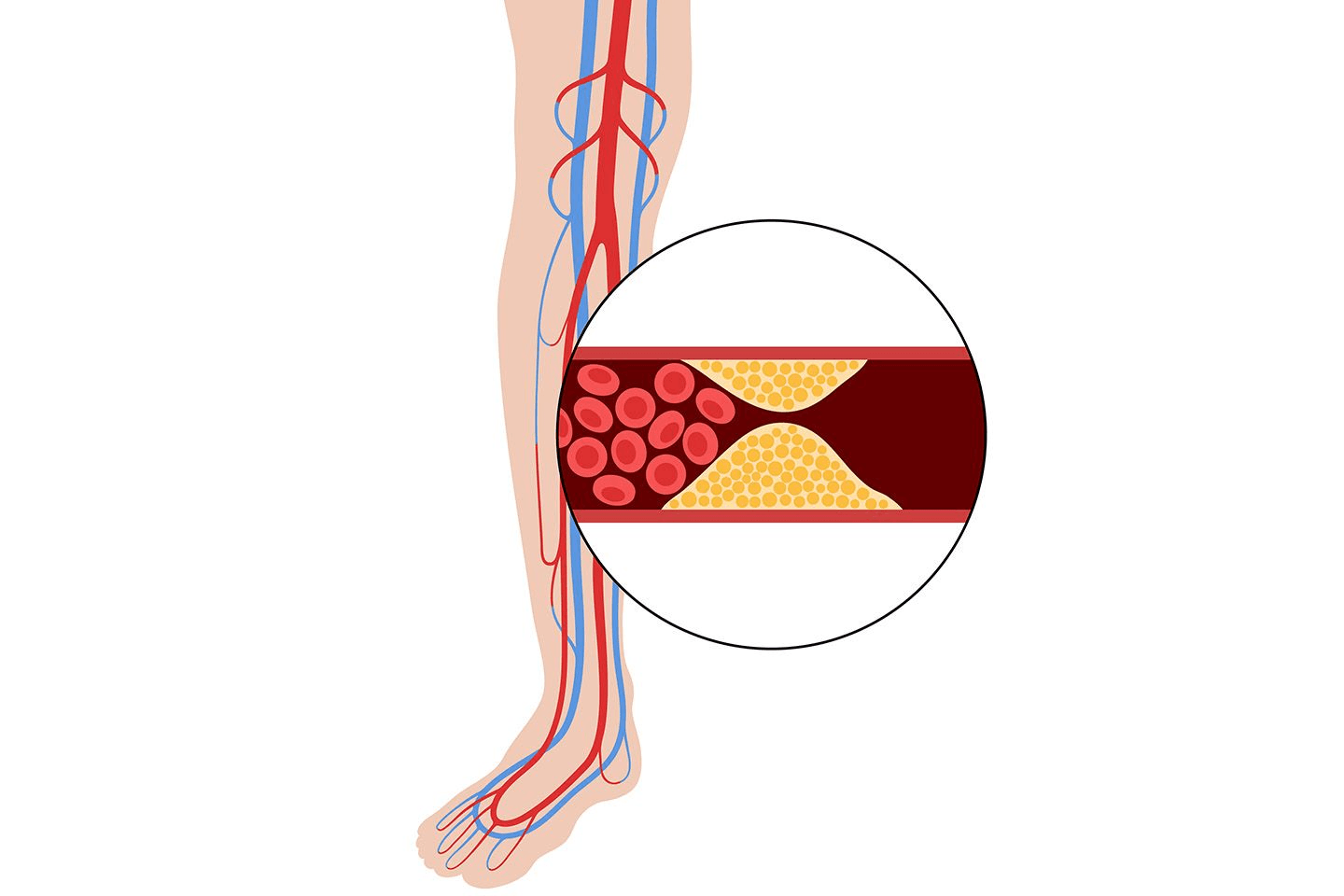
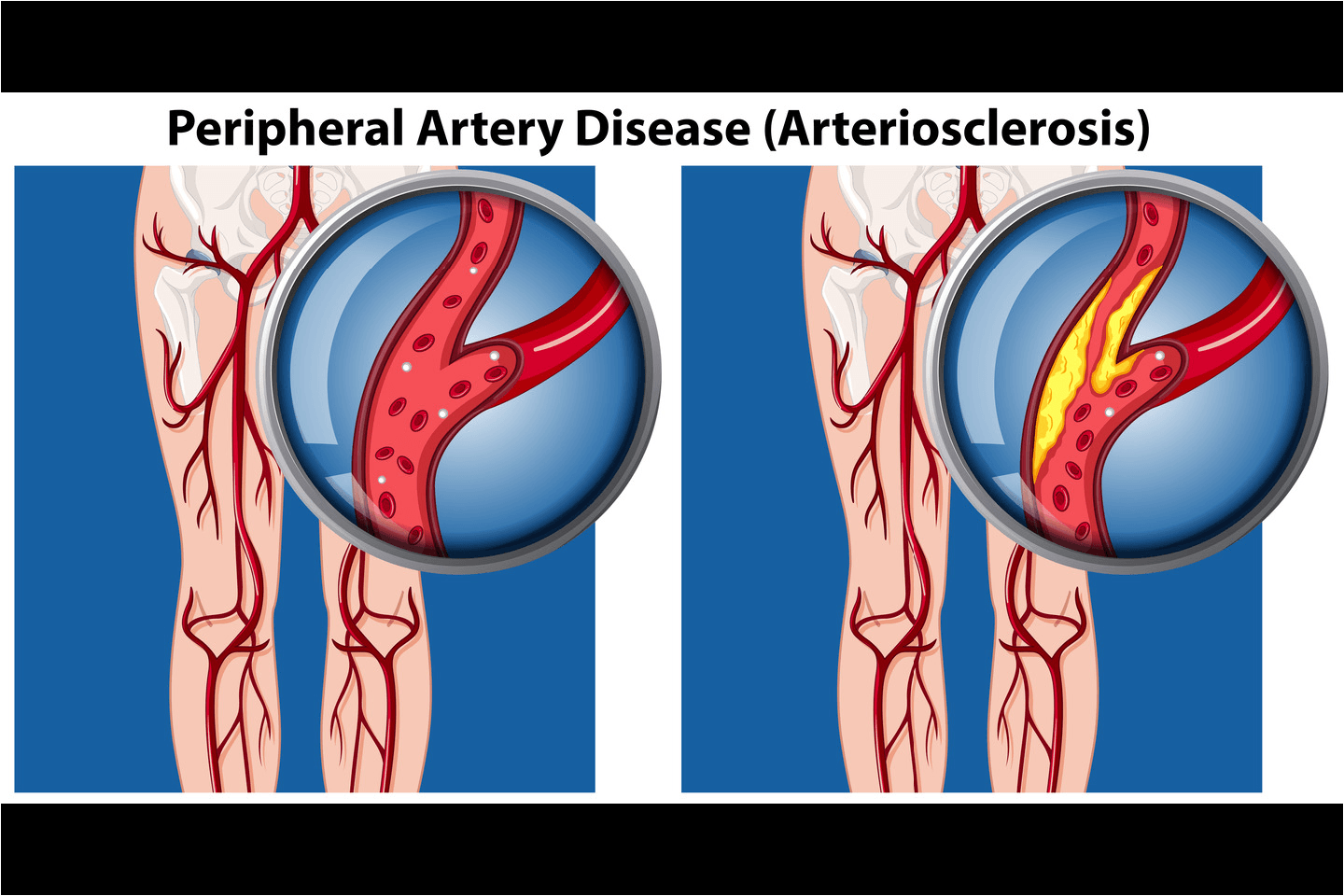
If your leg arteries are narrowed due to peripheral arterial disease (PAD), winter can make symptoms flare up. Reduced blood flow means your muscles receive less oxygen when you walk, climb stairs, or even stand for long periods. This can trigger cramping, tightness, or a burning sensation, called claudication.
Colder temperatures worsen cardiac symptoms by tightening the arteries further and increasing demand on the circulatory system.[3] As a result, activities that felt normal in warmer months can suddenly become painful.
Cold-Induced Numbness and Tingling: What's Happening
Feeling tingling and numbness, commonly known as pins and needles, in winter often occurs because the nerves are not getting enough warm, oxygen-rich blood. When blood vessels shrink in the cold, the supply to the nerves in the legs and feet drops too.
It may lead to:
Temporary numbness
Tingling sensations
Difficulty sensing temperature
Slower reaction in the toes and feet
In people with diabetes or neuropathy, these symptoms may appear more strongly because their nerves are already sensitive or damaged.
Why Wound Healing Slows Down in Winter
Slow-healing wounds are a major concern during winter, especially in senior adults and people with diabetes. Here's why it happens:
Reduced blood flow delays the delivery of oxygen and nutrients needed for healing.
Dry skin cracks easily, increasing the chance of new wounds.
Lower immunity in cold months makes infection more likely.
Research shows that poor circulation significantly delays wound recovery because tissues cannot repair themselves efficiently without a proper blood supply.[4] Even a small cut on the leg or foot may take longer to close when circulation is impaired.
Who Is Most at Risk
Winter-related circulation issues can affect anyone, but the risk is higher in people who have:
Diabetes
Peripheral arterial disease (PAD)
High blood pressure
High cholesterol
Smoking history
Heart disease
Obesity
Sedentary lifestyle
Advanced age
Older adults tend to feel the impact more strongly because their blood vessels naturally lose elasticity over time.
How to Protect Your Circulation in Winter
You can keep your legs and feet healthier in cold months by making a few simple changes:
Keep your legs, feet, and hands warm with layers
Stay active to keep your blood moving
Avoid sitting or standing in one position for too long
Drink enough water
Avoid smoking, as it further narrows blood vessels
Manage blood sugar if you're diabetic
Moisturise daily to avoid skin cracks
Eat heart-friendly foods rich in omega-3s and fibre
Even short walks or light stretching every couple of hours can make a big difference.
When to Seek Medical Advice
You should speak to a doctor if you notice:
Leg pain that starts while walking and improves with rest
Persistent coldness in one leg compared to the other
Slow or non-healing wounds
Colour changes in the toes or feet
Numbness or loss of sensation
Swelling
Sudden severe pain
These could be signs of PAD or other circulation problems that need proper evaluation.
Medical Treatments That Help Restore Blood Flow
When circulation issues become severe, medical treatment may be needed to open up narrowed arteries and restore blood flow to the legs. Minimally invasive procedures, performed through tiny incisions, are often used to clear blockages.
Some of Meril's technologies used to treat these issues:
Mozec PTA – used to widen narrowed arteries in the legs and improve blood flow.
Mozec PEB PTA– helps keep the artery open for longer by reducing re-narrowing after treatment.
Credence BtK – designed specifically for restoring blood flow in the smaller arteries below the knee, often used in patients with critical limb ischaemia or non-healing foot wounds.
These treatments may help reduce pain, restore mobility, and support better wound healing by improving oxygen and nutrient supply to affected tissues. Your vascular specialist will guide you on the most suitable option.