
























Eustachian Tube Dysfunction vs. Ear Infection: What's the Difference?
Introduction
Have you ever felt ear pressure during a flight and wondered if it was an infection? Or experienced ear pain during a cold and assumed you needed antibiotics?
You are not alone.
Eustachian Tube Dysfunction (ETD) and ear infections often feel similar. Both can cause:
Ear fullness
Muffled hearing
Discomfort or pain
A "blocked" sensation
Because the symptoms overlap, many people confuse one for the other. However, these conditions are different in cause, treatment, and long-term impact.
Understanding the difference can help you seek the right care at the right time.
Understanding Ear Anatomy
To understand the difference, let's first look at how your ear works.
Your ear has three main parts:
Outer ear – the visible part and ear canal
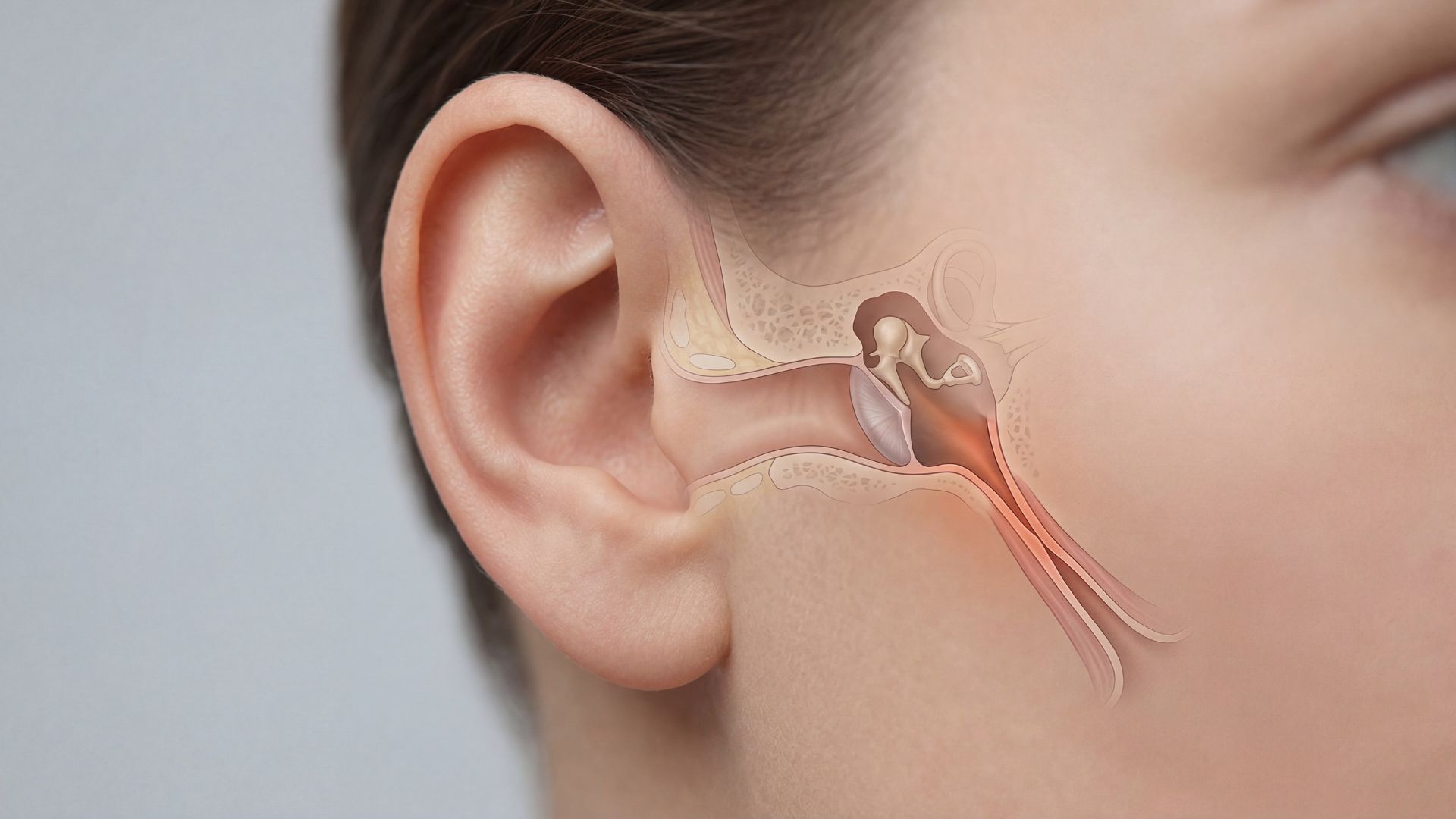
Middle ear – an air-filled space that is between the eardrum to stapes and the opening of the eustachian tube
Inner ear – responsible for balance and hearing
The Eustachian tube connects your middle ear to the back of your nose and throat. Its key roles include:
Equalizing air pressure
Draining fluid from the middle ear
Protecting the ear from infections
Normally, this tube opens when you:
Swallow
Yawn
Chew
If it does not open properly, pressure and fluid can build up. This is where problems begin.
What Is Eustachian Tube Dysfunction (ETD)?
Eustachian Tube Dysfunction happens when the tube:
Becomes blocked
Does not open properly
Fails to equalize pressure
Common causes
According to the Cleveland Clinic[1], ETD often develops due to:
Viruses and the common cold
Allergies
Chronic acid reflux
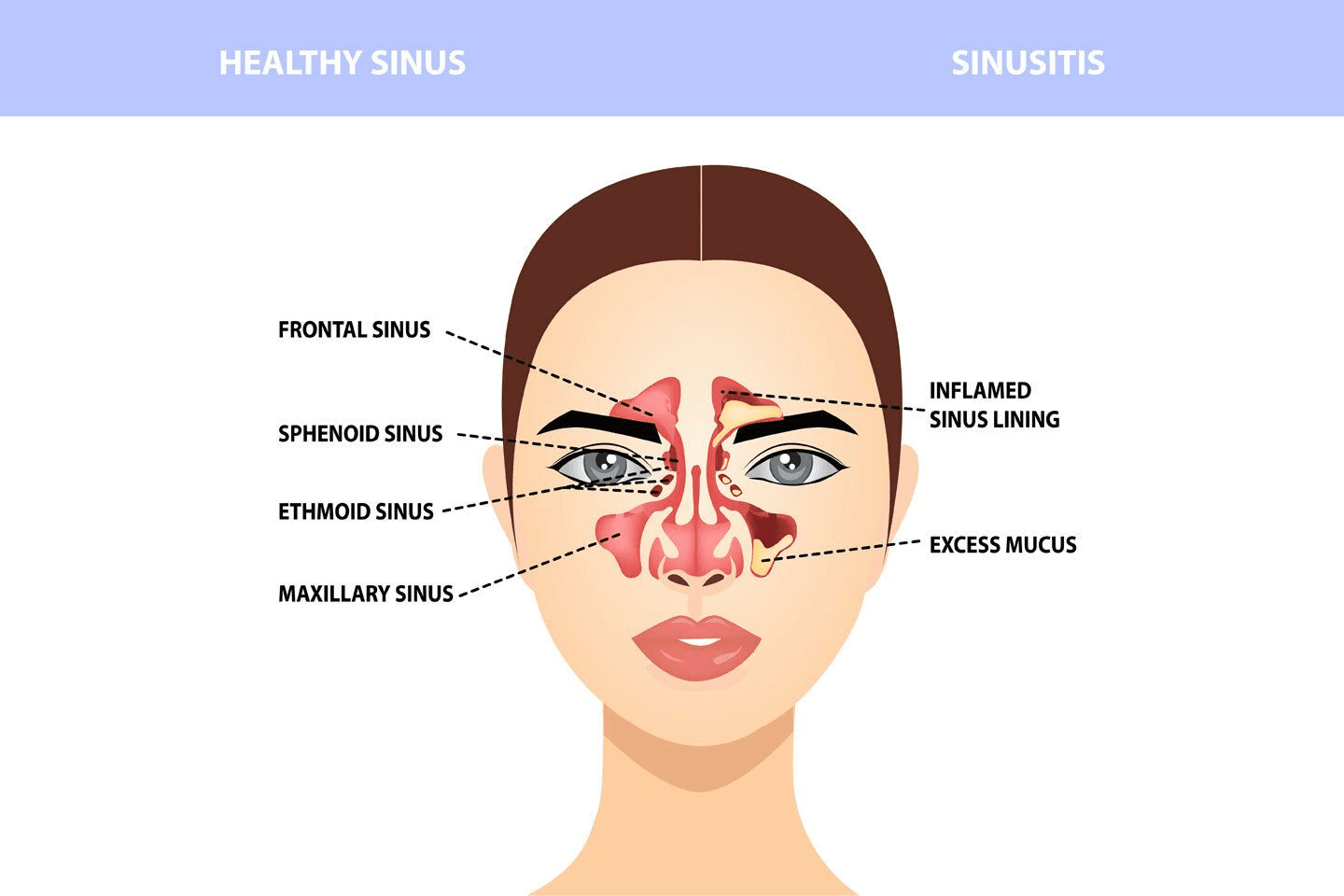
Sinus infections
Changes in altitude
In many cases, symptoms are temporary and improve once the underlying cause settles.
Symptoms of ETD
You may experience:
Ear fullness
Popping or clicking sounds
Mild hearing difficulty
Pressure that worsens during flights
Discomfort without high fever
For example, if your ears feel blocked after landing from a flight and improve after swallowing or yawning, it is likely ETD.
Is ETD serious?
Most cases are mild and short-lived. However, chronic ETD can lead to:
Fluid build-up
Repeated discomfort
Increased risk of middle ear infection
Persistent dysfunction may require medical intervention if symptoms persist for several weeks.
What Is an Ear Infection?
An ear infection usually refers to a middle ear infection (otitis media). It occurs when:
Bacteria or viruses infect the fluid trapped behind the eardrum
The middle ear becomes inflamed
Who is more affected?
According to Mayo Clinic, ear infections are especially common in children because their Eustachian tubes are shorter and more horizontal, making blockage easier.[2]
Globally, otitis media remains one of the most common childhood illnesses.
Symptoms of an ear infection
Compared to ETD, symptoms are typically more intense:
Moderate to severe ear pain
Fever
Fluid drainage from the ear
Hearing difficulty
Irritability in children
Trouble sleeping
Children may:
Pull their ear
Cry excessively
Refuse to eat
Unlike ETD, infections often require medical treatment.
Key Differences between ETD and Ear Infection
The table below highlights the main differences:
Feature | Eustachian Tube Dysfunction | Ear Infection |
Cause | Blocked tube, pressure issue | Bacterial/viral infection |
Fever | Rare | Common (especially in children) |
Pain severity | Mild to moderate | Moderate to severe |
Fluid behind the eardrum | May occur | Common |
Duration | Often short-term | Can worsen without treatment |
Treatment | Decongestants, allergy control | Antibiotics (if bacterial), pain relief |
To put it simply:
ETD is a pressure problem
An ear infection is an infection of the ear
They may feel similar at first, but their root causes differ.
Can Eustachian Tube Dysfunction Lead to an Ear Infection?
Yes, it can. Here's how:
ETD prevents proper drainage
Fluid accumulates in the middle ear
Bacteria or viruses grow in trapped fluid
Infection develops
According to the Cleveland Clinic, prolonged blockage can increase the risk of middle ear infections.[1] This is why recurrent ETD should not be ignored, especially in children. In chronic cases, doctors may recommend procedures to restore proper ventilation of the middle ear.
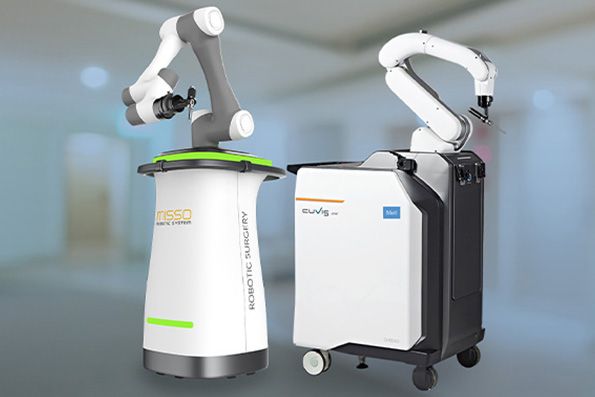
One such advanced solution used in interventional ENT care is balloon dilation of the eustachian tube. Meril's Mycs™ Balloon Catheter & Accessories are made to support controlled Eustachian tube dilation, helping improve airflow and drainage in selected patients with chronic ETD. These procedures are typically considered when conservative treatments fail.
How Doctors Tell the Difference
Doctors rely on:
1. Medical history
They ask:
How long do symptoms last
Whether a fever is present
Recent cold or allergy episodes
2. Physical examination
Using an otoscope, they check:
Redness of the eardrum
Bulging of the eardrum
Fluid presence
3. Tympanometry
This test measures:[3]
Middle ear pressure
Eardrum movement
4. Hearing tests
If hearing loss is suspected, further tests may be done.
If the eardrum looks inflamed and bulging with fever, it is likely an infection.
If pressure changes are seen without infection signs, ETD is more likely.
Conclusion
Ear discomfort can be confusing, as it can be due to multiple reasons. A blocked sensation in the ear may not always mean infection. At the same time, ignoring severe pain and fever can delay needed treatment.
Understanding the difference between eustachian tube dysfunction and ear infection allows you to:
Recognize warning signs
Avoid unnecessary antibiotics
Seek timely care
If you or your child experiences persistent ear symptoms, you should consult an ENT specialist. Early evaluation ensures appropriate treatment and prevents long-term complications.