Everything You Need To Know About Your Heart Health Check
Introduction
As we try to answer the above question in full honesty, we must realize the importance of the heart in the proper
functioning of the human body. The heart is a muscular organ located in the chest just behind the breastbone in
front of the trachea, esophagus, and aorta, just above the diaphragm. It pumps blood received from the veins into
the arteries throughout the body. The average human heart is as big as a closed fist and weighs a little less than
300 grams. According to the World Health Organization, cardiovascular diseases refer to the cluster of heart
disorders which include high blood pressure (hypertension), heart attacks (coronary heart disease), stroke (
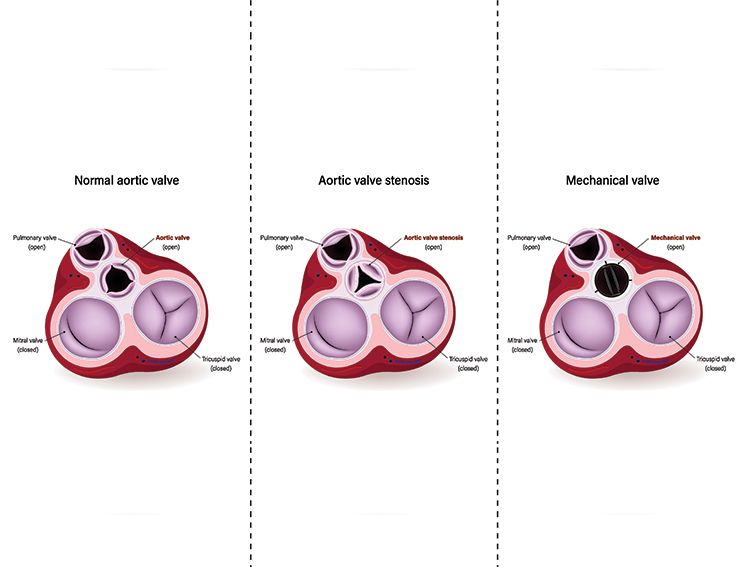
cerebrovascular disease), heart failure, heart valve disease, congenital heart disease, deep vein thrombosis,
peripheral vascular disease and cardiomyopathies among others.[1]
Importance of A Heart Health Check
Medical practitioners and health advisors recommend routine heart health checks to detect any underlying issues
with the heart. India has one of the worldS highest incidences of cardiovascular disease (CVD) and accounts for
at least 4.77 million deaths (2020).[2] They take place when the arteries leading to the heart become narrow and
hardened. A heart health check-up ensures we become aware of the risk factors that are silent killers, like high
blood pressure and high cholesterol levels.
Who Should Take A Heart Health Check?
Anyone who is 30 years and over should have a regular heart health check-up. A heart health checkup entails
getting all the tests done. Should an anomaly arise, the cardiologist comes into the scene. A Heart Health
Checkup will help you understand any risks of a heart attack or stroke in the near future and what immediate
measures can be taken to lower those risks. Measures may include a medical intervention even if the arteries
towards the heart are blocked or choked.
What To Expect In A Heart Health Check?
A Heart Health Check Up lets you know your heart health which is very important to ascertain the actual age of your heart compared to your real age. It will also reveal if there are any underlying issues of the heart, if they need healthy lifestyle interventions or require medical intervention in the form of a visit to the cardiologist, and what they advise. Your doctor/cardiologist will ask the following questions:
- Personal details of Name, Age, Height, and Weight
- Compulsory tests to investigate risk factors. Your doctor/cardiologist will check blood pressure, blood sugar, and cholesterol levels.
- Medical history and lifestyle details - diet, physical activity/inactivity, smoking and drinking habits, any weight gain or obesity issues.
What Happens After A Heart Health Check?
On the assessment of the above information, your doctor will share your risk of a heart stroke or an attack in the next few years or if your arteries are getting blocked and need immediate medical intervention. In any which case, your doctor will do the following:
- Chalk a preventive plan to correct and lower risks
- Prescribe medication to those with high stroke risk and improve heart health
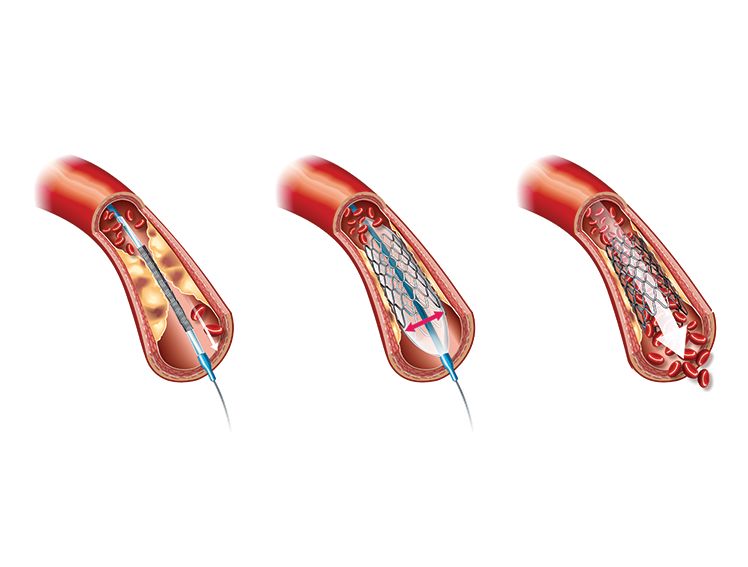
- Medical intervention if the arteries towards the heart are blocked or choked.
- Dietitian support to take corrective measures with healthy diet choices
- Suggest lifestyle changes in terms of physical activity in the form of light exercises and walking.
Should Your Heart Health Check detect a Cardiovascular Disease - Then What Next?
In the event of detecting an underlying cardiovascular disease, the patient and their immediate family should not feel like it is the end of the world. With rapid advances and novel designs in high-quality medical technologies, there are solutions and innovations for everyone ranging from prevention, detection, diagnosis, and management to cure: