























Grades of Piles: Grade 1 to Grade 4 Explained
Introduction
If you have been told you have "Grade 2" or "Grade 3" piles, the terminology can feel confusing. What does a grade actually mean? Is a higher grade always serious? And does every grade require surgery?
Piles, also known as haemorrhoids, are extremely common. Many adults experience them at some point, especially during pregnancy, prolonged constipation, or long hours of sitting. In most cases, they are manageable.
This guide explains the grades of piles (Grade 1 to Grade 4) in simple language, so you understand what is happening inside your body and what it means for treatment.
What are Piles (Haemorrhoids)?
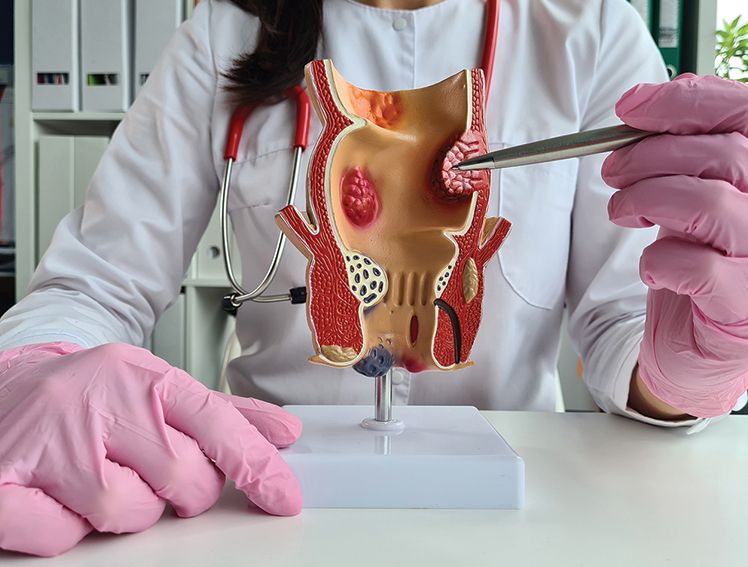
Piles are swollen veins that are present near the lower rectum or around the anus. They develop when pressure in these veins increases, causing them to enlarge.
There are two main types:
Internal piles – located inside the rectum
External piles – located under the skin around the anus
Doctors use a grading system only for internal piles. External piles are not graded in the same way.
Common triggers include:
Chronic constipation
Straining during bowel movements
Pregnancy
Obesity
Prolonged sitting
You can think of piles as similar to varicose veins, but in the anal region.
What do Doctors Mean by "Grades" of Piles?
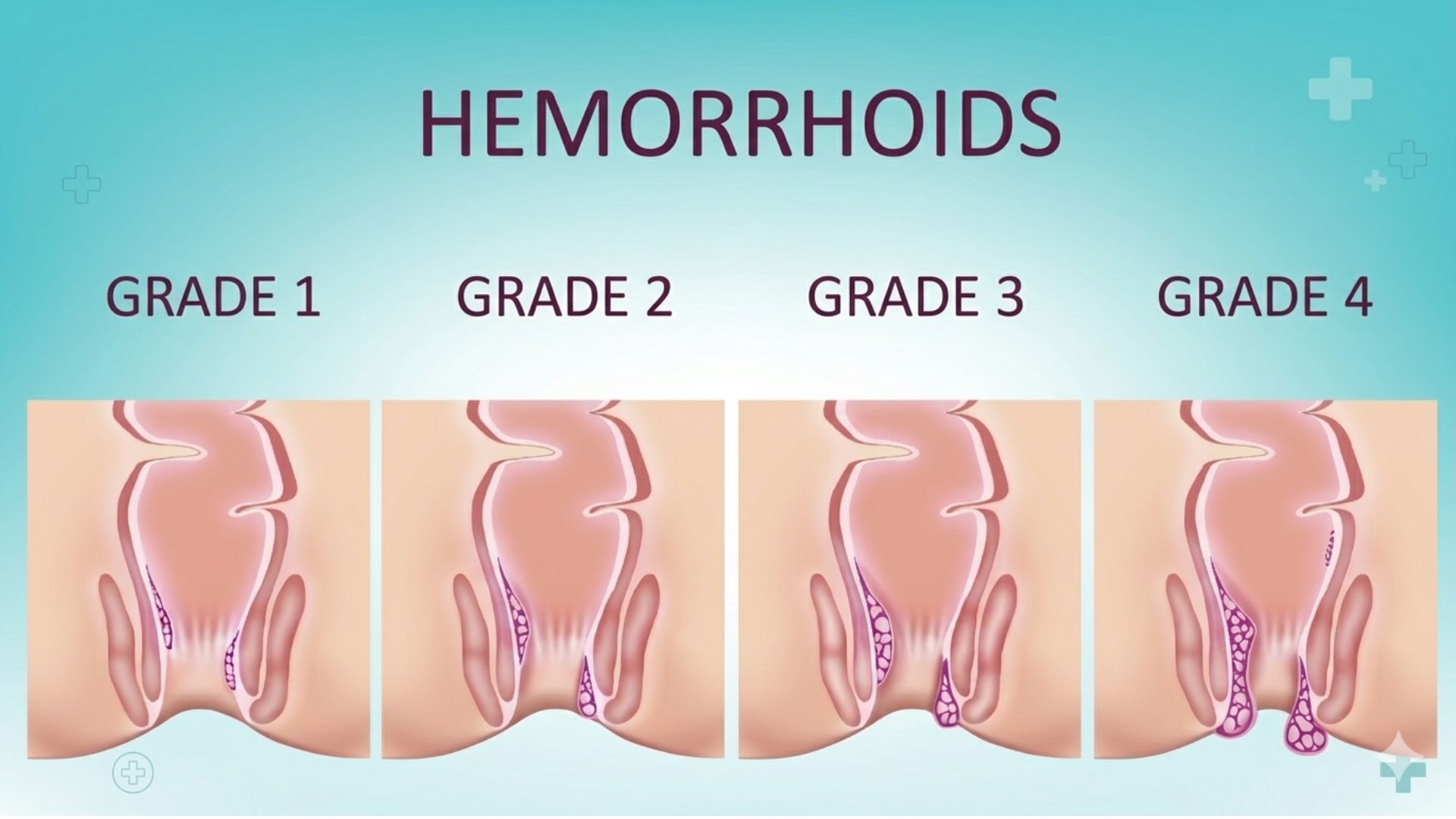
When doctors talk about grades of piles, they refer to how far the internal haemorrhoid has prolapsed, or slipped downward from its normal position.
The grading system focuses on:
Whether the pile stays inside
Whether it comes out during a bowel movement
Whether it goes back in on its own
Whether it needs to be pushed back
Whether it remains permanently outside
There are four grades, and each one represents increasing severity of prolapse, not necessarily increasing pain.[1]
Grades of Internal Piles Explained
Grade 1
- The pile remains inside the rectum.
- There is no visible prolapse outside the anus.
You may notice:
- Painless bleeding during bowel movements
- Bright red blood on toilet paper
- Mild discomfort or itching
At this stage, many people do not even realise they have piles until they see bleeding.
Grade 2
- The pile comes out during straining or bowel movement.
- It goes back inside on its own afterwards.
Symptoms may include:
- Bleeding
- Mucus discharge
- A feeling of incomplete evacuation
For example, you may feel something bulging briefly during a bowel movement, but it disappears without effort.
Grade 3
- The pile comes out during a bowel movement.
- It does not go back in on its own.
- You must push it back manually.
Symptoms often include:
- More noticeable prolapse
- Discomfort while sitting
- Irritation or swelling
This grade is typically when patients seek medical advice because the prolapse becomes more obvious and bothersome.
Grade 4
- The pile remains permanently outside.
- It cannot be pushed back in.
Symptoms may include:
- Persistent discomfort
- Pain (especially if the blood supply is compromised)
- Swelling
- Risk of complications
Grade 4 piles may significantly interfere with daily activities and usually require procedural treatment.
Common Symptoms Across all Grades
Regardless of the grade, piles symptoms may include:
Bright red bleeding during bowel movement
Itching around the anus
Discomfort while sitting
Swelling
Mucus discharge
Pain is not always present. Internal piles are often painless unless complications develop.
If you experience severe pain, sudden swelling, or heavy bleeding, medical evaluation is important to rule out other conditions.
Do All Grades of Piles Need Treatment?
Not necessarily.
Many Grade 1 and some Grade 2 piles improve with conservative management, such as:
Increased fibre intake
Adequate hydration
Avoiding straining
Shorter time spent on the toilet
Doctors typically recommend treatment based on:
Severity of symptoms
Frequency of bleeding
Degree of prolapse
Impact on quality of life
The grade helps guide decisions, but symptoms matter just as much.
Treatment Options Based on Pile Grade
Here are the common treatments for piles depending on severity. Remember to always consult your doctor about treating your pile, not just rely on home remedies.
Conservative management (mostly Grade 1 and early Grade 2)
Dietary fibre supplements[2]
Stool softeners
Warm sitz baths
Topical medications
Office-based procedures (often Grade 2 and some Grade 3)
Rubber band ligation
Sclerotherapy
Infrared coagulation
These procedures are minimally invasive and usually performed without major surgery.
Surgical or Advanced Procedures (Grade 3 and Grade 4)
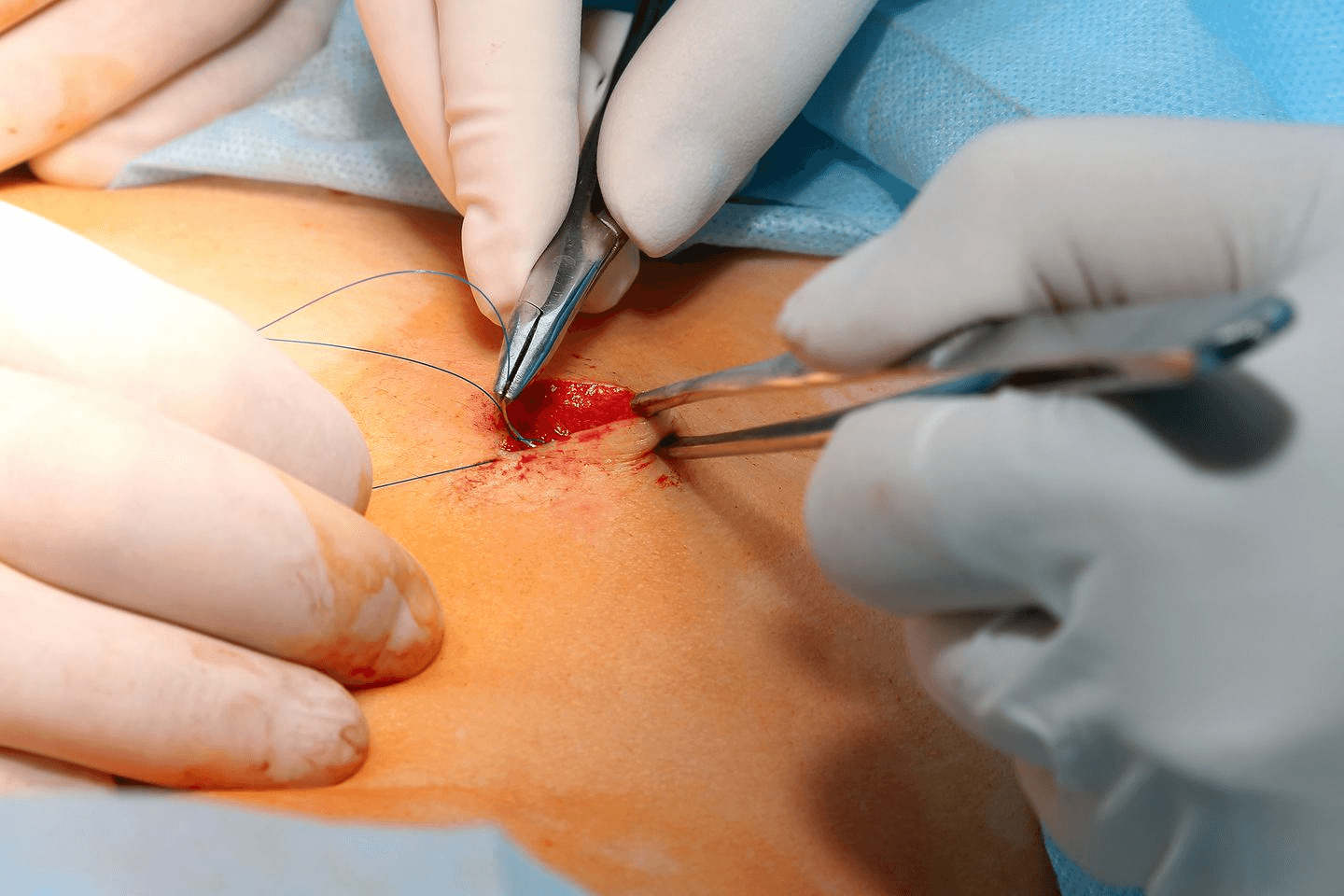
When prolapse is significant or recurrent, surgery may be recommended. One advanced option is stapled haemorrhoidopexy, performed using devices such as the MIRUS™ HAEMORRHOIDS STAPLER. This technique:
Repositions prolapsed tissue
Reduces blood flow to haemorrhoids
Causes less postoperative pain compared to conventional excisional surgery
Supports faster recovery in appropriate cases
The choice of procedure depends on patient evaluation and clinical judgement.
Possible complications if piles are left untreated
While many piles remain manageable, untreated severe cases may lead to:
Anaemia due to chronic blood loss
Thrombosed haemorrhoids (painful blood clots)
Strangulated piles, where the blood supply is cut off
Persistent prolapse
Skin irritation and infection
These complications are not common, but they become more likely with advanced grades.
Persistent bleeding should always be evaluated to rule out other causes, such as colorectal conditions.
How can piles be prevented or kept from worsening?
Prevention focuses on reducing pressure in the rectal veins. Practical steps include:
Eating fibre-rich foods (vegetables, fruits, whole grains)
Drinking sufficient water
Avoiding prolonged sitting
Not delaying bowel movements
Avoiding excessive straining
Maintaining a healthy weight
If you have early-stage piles, these steps can prevent progression to higher grades.
Conclusion
Understanding the grades of piles from Grade 1 to Grade 4 helps you interpret your diagnosis clearly.
Grades 1 and 2 are often manageable with lifestyle changes and minor procedures.
Grades 3 and 4 involve significant prolapse and may require surgical intervention.
The grade indicates how much the haemorrhoid has prolapsed, not necessarily how severe your discomfort will be. Early consultation allows timely management and reduces the risk of complications.
If you notice bleeding, persistent swelling, or prolapse, seeking medical advice ensures proper diagnosis and appropriate treatment.