























Hemorrhoids (Piles): Myths, Facts, and What You Should Know About Treatment
Introduction
Hemorrhoids, also known as piles, are a common condition that many people quietly deal with but rarely talk about. Unfortunately, this silence has given rise to a lot of myths and misunderstandings. From confusing symptoms its symptoms to wrong ideas about treatments, these myths often stop people from getting the help they need. The truth is, hemorrhoids are common, and there's no need to feel embarrassed. With the right information, you can separate fact from fiction and understand what really works when it comes to treatment.
This guide will bust the most common myths about hemorrhoids and give you clear, easy-to-understand facts so you know exactly what to do.
Myth vs Fact About Hemorrhoids
Understanding hemorrhoids starts with busting the common myths. Let’s break the myths and get the facts right.
Myth 1: Only older people get piles
Fact: Hemorrhoids can affect people of all ages, including young adults and pregnant women. If you are constantly sitting, straining during bowel movements, and eating a low-fiber diet, it can contribute to piles in any age group. Your lifestyle has a direct impact on whether and when you are affected by piles.
Myth 2: Spicy food causes hemorrhoids
Fact: Spicy food may irritate the piles symptoms you are experiencing, but it doesn't cause hemorrhoids.[1] The real causes are constipation, straining, and prolonged sitting, all of which increase pressure on rectal veins.
Myth 3: Hemorrhoids are always painful
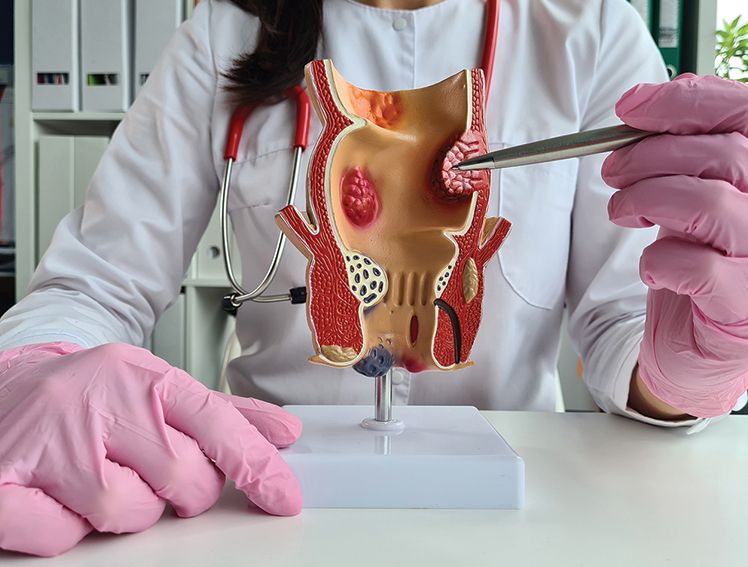
Fact: Not all hemorrhoids cause pain. Internal hemorrhoids often cause bleeding without pain, while pain is more common in thrombosed hemorrhoids or external hemorrhoids.
Myth 4: Surgery is the only treatment
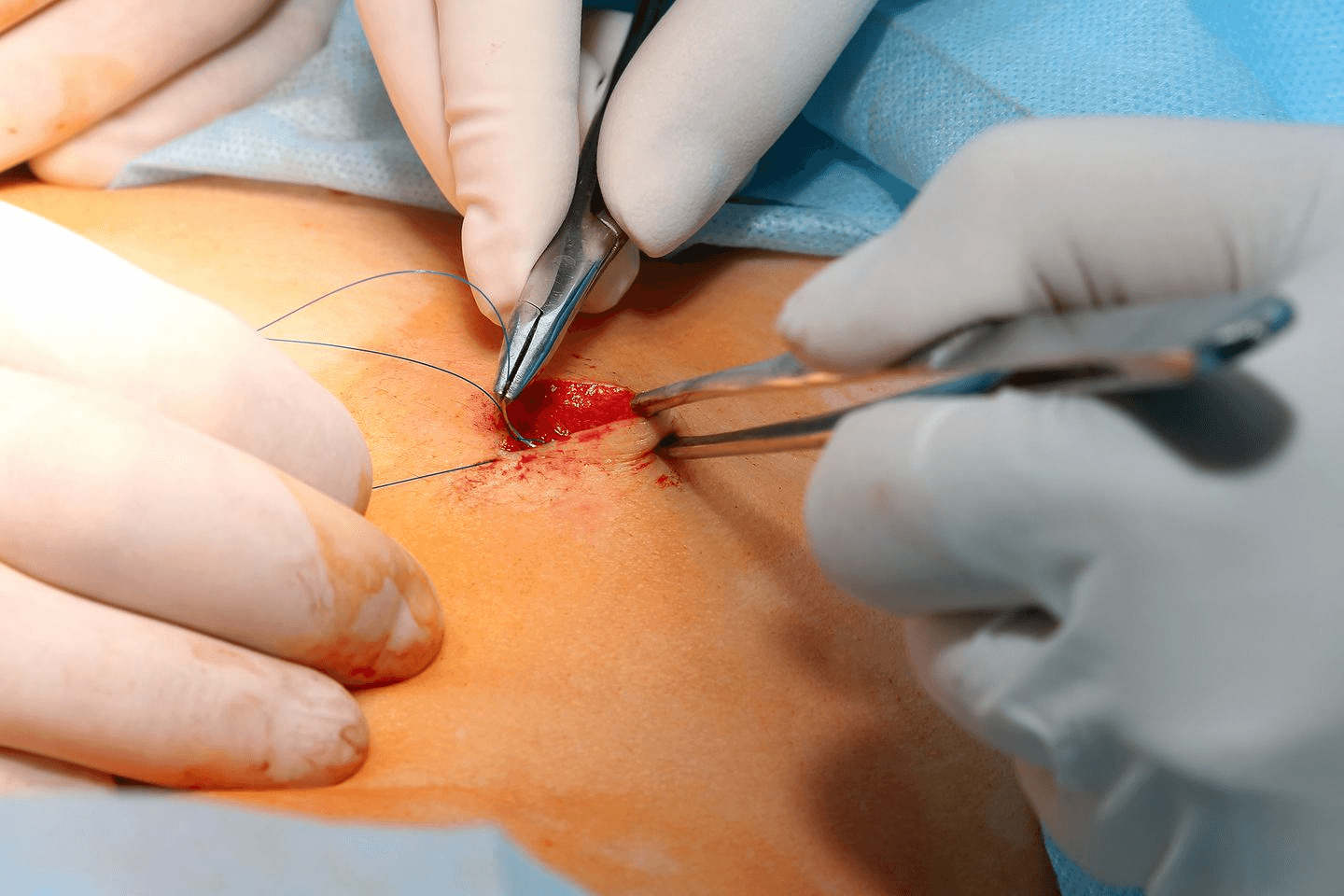
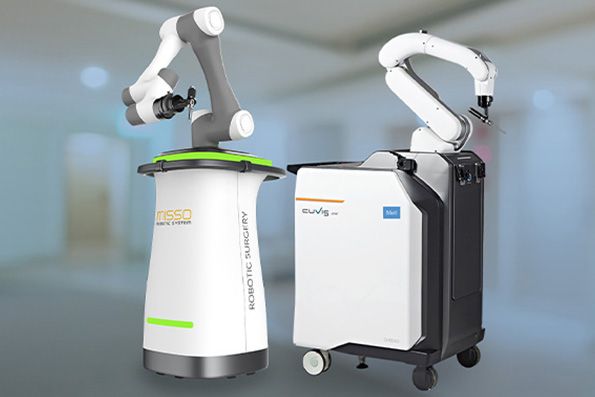
Fact: Many cases of hemorrhoids can be managed with lifestyle changes, medication, and minimally invasive treatments such as rubber band ligation or laser therapy. Surgery is usually reserved for advanced or persistent cases. Meril's Staplers for piles surgery offer a safe and effective option for severe cases, with reduced recovery time.
Myth 5: Poor hygiene causes hemorrhoids
Fact: Hemorrhoids are caused by increased pressure in rectal veins, not poor hygiene.[2] That said, maintaining cleanliness is important to reduce irritation and support recovery.
Hemorrhoids Treatment Options and When to Visit a Doctor
Most symptoms of piles improve with self-care measures and medication. However, persistent pain, bleeding, or prolapsed hemorrhoids require medical attention.
Treatment options include:
Treatment Type | Details |
Lifestyle changes | Eating a high-fibre diet, increasing water intake, regular exercise, and avoiding straining. |
Medications | Applying creams, ointments, and suppositories to ease itching, pain, and swelling. |
Minimally invasive procedures | The doctors perform rubber band ligation, sclerotherapy, and infrared coagulation. |
Surgical treatments | For severe or persistent piles, treatment with Meril Staplers offers quicker recovery. |
Fistula surgery | For cases where piles develop into or co-exist with a fistula. |
When to consult a doctor:
Persistent bleeding during bowel movements[3]
Severe pain or swelling
Prolapsed hemorrhoids that cannot be pushed back in
Signs of infection
Unexplained weight loss or bowel habit changes
Prevention Tips for Hemorrhoids
Prevention is better than a cure. When you make a few lifestyle changes, you can lower your risk of developing hemorrhoids.
Eat a fibre-rich diet: Include whole grains, fruits, and vegetables.
Stay hydrated: You should drink water to soften stools, as it will prevent straining.
Exercise regularly: Gentle activities improve bowel function and circulation.
Avoid prolonged sitting: You should take breaks while working and walk around during long hours of sitting.
Use the toilet when needed: Avoid delaying bowel movements to prevent constipation.
Maintain hygiene: Clean the anal area gently with toilet paper and/or water.
Conclusion
Hemorrhoids are common and manageable, but myths often keep people from seeking timely help. Understanding the facts about piles and recognising when treatment is needed can make a big difference. Whether through lifestyle changes, minimally invasive procedures, or piles surgery with advanced solutions like Meril's Staplers, effective treatment is available. Don't ignore symptoms; take early action, as it gives faster relief and better quality of life.