






















Types of Surgeries to treat Hemorrhoids
What are hemorrhoids?
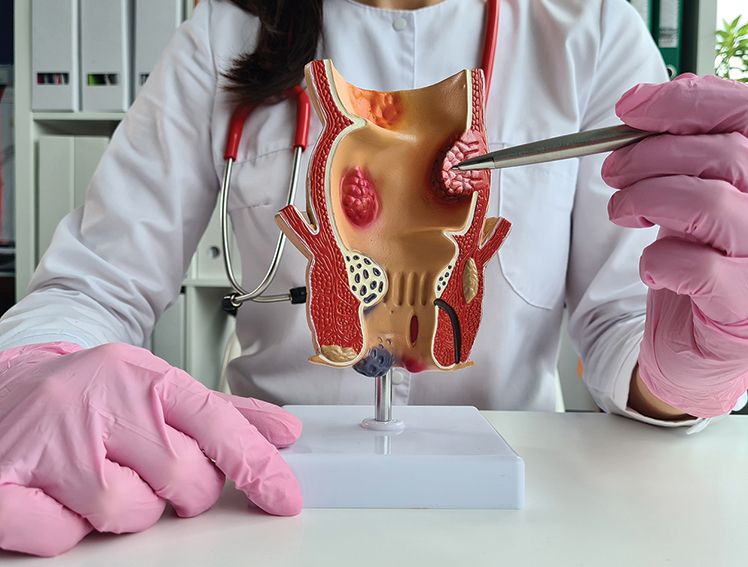
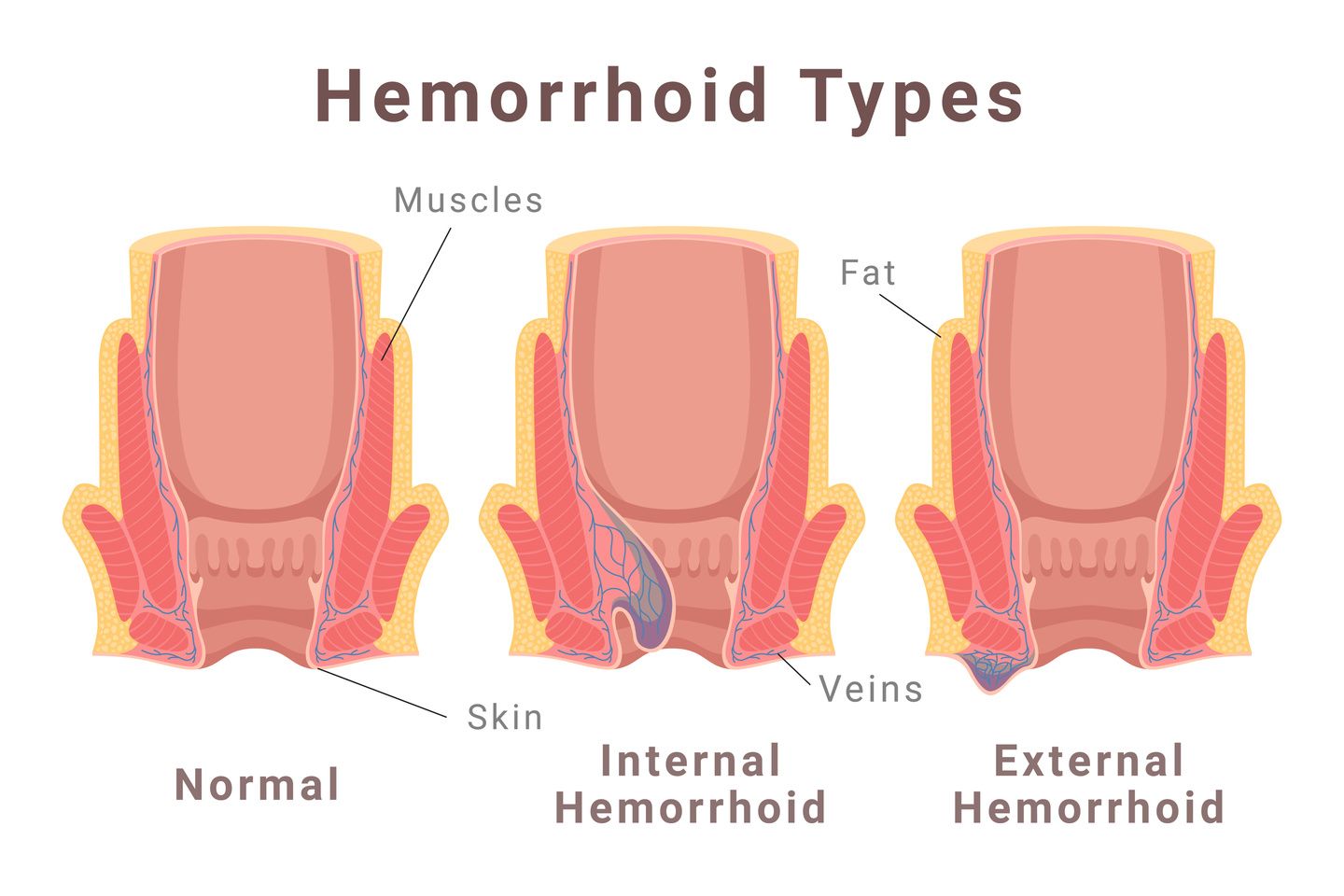
Hemorrhoids are enlarged or inflamed veins in the anal and rectum region. They are distinguished as:
- External hemorrhoids (protrusions around the skin of the anal; can be painful and bleed)
- Internal hemorrhoids (located inside the anal canal and are typically painless)
- Prolapsed (when internal or external hemorrhoids protrude from the rectum, complications like fecal discharge, discomfort, and bleeding are possible)
People who experience hemorrhoids can have difficulty passing stool and can experience discomfort in doing day-to-day activities like sitting and driving.
Hemorrhoids causes
Hemorrhoids are more common than you think and can get inflamed for various reasons. Here is a list of the causes of hemorrhoids:
- Issues like hard stools, chronic constipation, and irritable bowel syndrome.
- Pregnancy can strain the anal and rectal veins because the uterus increases in size.
- Low-fibre diet.
- Sedentary lifestyle.
- Spending too much time trying to pass stool, i.e., putting strain on the bowel.
- Delaying going to the bathroom when you feel like passing stool.
Lifting heavy weights regularly. - Ageing is another factor because support tissues around the anus and rectum weaken over time.
Hemorrhoids cure
About 50% of Indians will experience hemorrhoids at least once in their lifetime, and the chances of experiencing hemorrhoids also increase with age. However, this condition is not life-threatening, and you can take rehabilitative steps to prevent them. The best solution to cure hemorrhoids is to take preventive steps at home. These can be being more active during the workday, like, taking breaks between sitting in front of the computer.
You can incorporate more fibre in your diet so that you can pass stool with ease. You can also take supplements like psyllium husk, which helps alleviate constipation symptoms. Increase your water intake because that also helps with the movement of stool. Using a squatty potty or placing a stool under your feet when you sit on a Western-style commode is also helpful in reducing strain on your bowels. Hemorrhoids can be avoided by using the restroom promptly and spending a short time on the pot.
Most of the time, home cures for hemorrhoids are effective in shrinking them. Besides making dietary and lifestyle changes, you can take steps like:
Sitz bath: Sit in a small tub filled with warm water daily to ease the pain. This water can also have Epsom salt added to it.
Ointments and over-the-counter painkillers: Your doctor may write you a prescription for topical creams and analgesics for pain management.
If these steps to cure hemorrhoids at home do not work, and the condition persists or worsens, the doctor recommends surgery. You can take your time to read up on the procedures, their risks, complications, and cost before going through with the surgery. Clearing your doubts from your doctor is also always helpful.
If your case doesn't require excisional surgery,minimally invasive treatments for hemorrhoids like rubber band ligation, sclerotherapy, and infrared coagulation may also be worth discussing with your doctor.
Types of hemorrhoid surgery
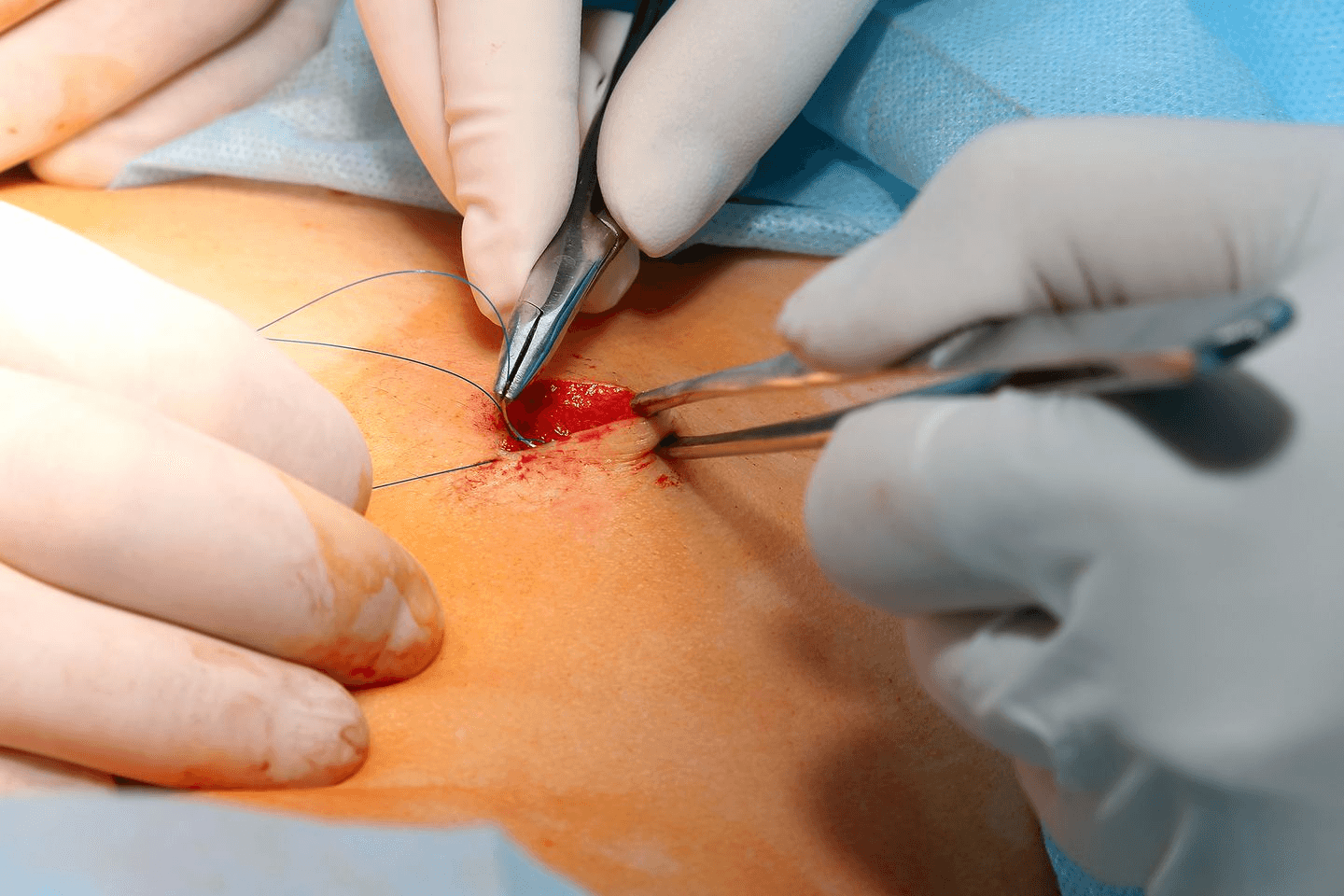
The surgical treatment of a severe or extreme case of hemorrhoids is known as hemorrhoidectomy. It is proven the most effective hemorrhoid cure, though there are always low chances of recurrence.
Close hemorrhoidectomy has a 95% success rate and is the most prevalent type of surgery for internal hemorrhoids. The surgeon removes the mass using a scalpel, scissors, electrocautery, or laser, and the wound is stitched up. Over time, the sutures dissolve into the skin.
Open hemorrhoidectomy is performed similarly to a closed hemorrhoidectomy, except the wound is left open. The reason to not close the wound can be because there is a high risk of infection or because the wound's placement prevented the closure.
Stapled hemorrhoidectomy is only used to treat internally prolapsed hemorrhoids. The surgeon staples the hemorrhoidal tissue back into place in the anal canal.
Laser hemorrhoidoplasty is a minimally invasive technique using a laser to coagulate hemorrhoidal blood flow. This means that the laser cuts off the affected tissue. Laser hemorrhoidoplasty is a scar-free and relatively painless type of hemorrhoid surgery with a quicker recovery rate than traditional surgery.
What to expect after Piles Surgery
Patients who have just had hemorrhoid surgery are usually still under anaesthesia, which can last for 6 to 12 hours and provide pain relief after the operation. While patients have the option to stay in the hospital overnight, in most cases, the doctor allows them to go home after the effect of the anaesthesia wears off. The patient is also required to urinate. Sometimes patients may experience urinary retention, i.e., the inability to urinate due to the swelling in the tissues or spasms in the pelvic muscles. This is no cause for worry.
You may experience some pain after surgery, and you should take medicine prescribed to manage the pain and soften stools and also prevent infection. You may also notice some bleeding, especially after the first post-surgery bowel movement. This is normal, so you needn't worry.
To manage discomfort at home: apply numbing ointments before and after bowel movements, use an ice pack to reduce pain and swelling, and try warm water soaks to relieve muscle spasms and pain. Drink plenty of liquids, maintain a bland diet for the first few days, and gradually increase fibre intake.
Hemorrhoid Surgery Risks and Long-Term Aftercare
Hemorrhoid surgery is considered a routine procedure that has low risks and complications. Surgery is also a better long-term rehabilitation choice, especially in the case of severe hemorrhoids. You must maintain a different lifestyle and diet post-surgery, like consuming more fibre, water, and movement to avoid future flare-ups. Some risks that can happen after any type of hemorrhoid surgery are:
- Bleeding
- Infection
- Bad reaction to anaesthesia
- Fever
- Inability to pass stool or urine because of swelling
It typically takes two to three weeks for the patient to recover fully after surgery. To ensure full recovery, follow your doctor's instructions, maintain a diet with more fibre and water, add physical exercise, and change your bowel habits to avoid straining and constipation. Follow up with your surgeon as prescribed to ensure there are no further problems.
Meril Life's catalogue has the MIRUSTM HEMORRHOIDS STAPLER for a smooth and seamless hemorrhoidectomy. This device is beneficial while taking the minimally invasive approach to treat prolapsed hemorrhoids. The stapler gives better security, superior hemostasis, and ease of use to deliver optimum excision of hemorrhoidal tissue. Optimized staple formation technique delivers adjustable height staples which causes less tissue tension and delivers right compression and proper staple line with optimum closed height.
Conclusion
Hemorrhoids are not dangerous to health but can pose discomfort if untreated. As mentioned above, one can usually manage hemorrhoids with lifestyle changes and home remedies. Maintaining these switches is very helpful in avoiding future flare-ups. Though hemorrhoids are not life-threatening, there is always a possibility of progressing to a point where simple management steps prove insufficient. Hence, surgery is the optimal cure for hemorrhoids that are so severe they are getting in the way of day-to-day activities.