
























Hip Fractures in the Elderly: A Silent Emergency
Introduction
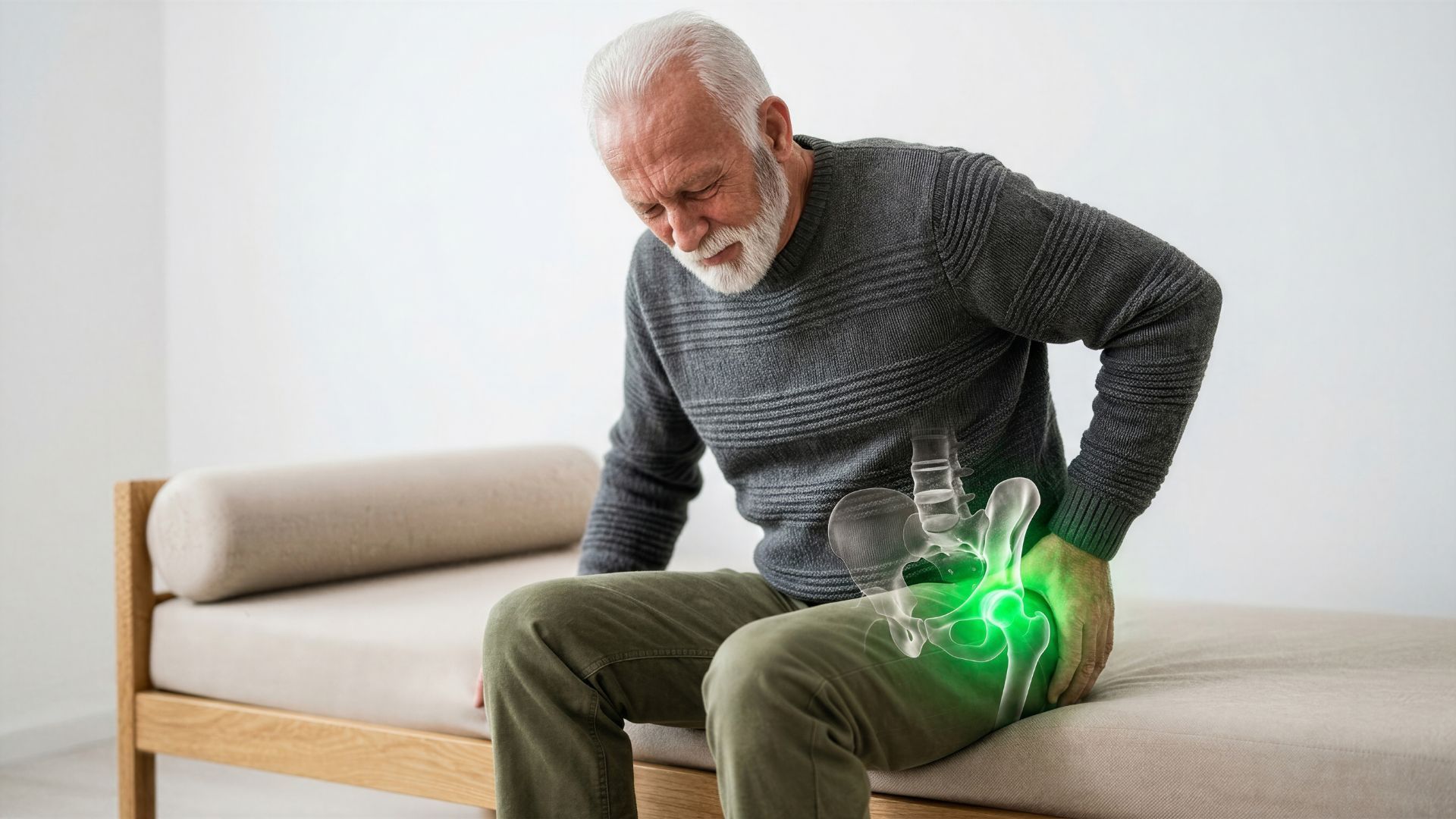
What looks like a minor fall can sometimes turn into a major health concern for an elderly person. A slip in the bathroom, a stumble while walking, or a fall from bed may seem manageable at first, but pain, swelling, or difficulty walking can worsen.
One possible cause is a hip fracture, which is a break in the upper part of the thigh bone near the hip joint.
Why Hip Fractures Are a Silent Emergency in Elderly People?
Unlike a heart attack or stroke, a hip fracture can be deceptively subtle. Some older adults continue moving after a fracture due to reduced pain sensitivity, especially those with diabetes. They delay seeking help, not realising the clock is ticking.
The annual incidence of hip fractures in India is over 120 fractures per 100,000 persons aged above 50 years.[2]
A 2023 study published in ScienceDirect found that Indian patients with hip fractures were about 5 times more likely to die than the general population of a similar age.[2]
By 2050, approximately 50% of the 6.26 million hip fractures are expected worldwide, with over half occurring in Asia.[3]
Every hour without treatment increases the risk of complications. That is what makes this a true emergency, even when it doesn't look like one.
Symptoms of Hip Fracture in Older Adults
Not every hip fracture leaves a person unable to walk. Here are the signs you should never ignore:
Pain in the hip, groin, or upper thigh after a fall
One leg appears shorter than the other, or is turning outward
Swelling or bruising around the hip
Inability to bear weight on the affected leg
Sudden confusion or inability to walk, especially in elderly people with dementia
If an elderly person falls, even a minor one, and shows any of the above signs, treat it as a medical emergency.
Why Hip Fractures Can Be Life-Threatening
Hip fractures in the elderly carry a 1-year mortality rate of 20–30%.[1] In India, mortality rates among patients older than 80 years have been reported to be as high as 33.3%.[2] When an elderly person is immobilised, the body becomes vulnerable to:
Blood clots (DVT): Because prolonged bed rest slows circulation, it is possible for dangerous clots to be formed.
Pneumonia: Lying flat can cause fluid to build up in the lungs.
Pressure sores: Broken skin from prolonged pressure can lead to serious infections.
Muscle wasting: Even a few days of inactivity causes significant muscle loss.
Depression and cognitive decline: Pain and loss of independence worsen mental health rapidly.
Reasons for Hip Fractures in the Elderly
Risk Factor | Why It Increases Risk |
Osteoporosis | Weakens bones; most common underlying cause |
Age above 65 | Bone density decreases naturally with age |
Female gender | Women lose bone mass faster after menopause |
Previous fracture | Doubles the risk of future fractures |
Vitamin D & calcium deficiency | Widely deficient in India; essential for bone strength |
Chronic illnesses | Diabetes, Parkinson’s disease, and arthritis increase fall risk |
Cognitive impairment | Dementia increases fall risk due to confusion |
What to Do Immediately After a Suspected Hip Fracture
DO: Call emergency services (108), keep the person still, and note their medications.
DO NOT: Move or lift them unnecessarily, give food or water, or assume they are fine because they can move slightly.
Surgery is recommended within 24–48 hours of hospital admission for the best outcomes. Every hour of delay raises the risk of serious complications.[4]
How Hip Fractures Are Diagnosed
The doctor will perform a physical examination followed by:
X-ray: First line of investigation; identifies most fractures.
MRI: Used when an X-ray appears normal but pain persists; detects small stress fractures.
CT scan: Assesses fracture type and guides surgical planning.
Blood tests: Evaluate overall health and fitness for surgery.
Treatment Options for Hip Fractures in Elderly People
Almost all hip fractures require surgery. The three main approaches are:
Internal fixation: Metal screws or rods stabilise the broken bone, used for stable fractures
Partial hip replacement (Hemiarthroplasty): The broken femoral head is replaced with an implant, used when the blood supply to the bone is damaged
Total hip replacement: The complete ball and socket is replaced, which is best for active patients with pre-existing arthritis
Non-surgical management is reserved for rare cases where patients are too unwell for anaesthesia.
Recovery and Rehabilitation after Hip Fracture Surgery
Recovery will begin immediately, and most patients are encouraged to start taking assisted steps within 1–2 days of surgery. Key milestones observed are:
During the first couple of weeks, gentle exercises help to restore the range of motion and prevent clots.
After strength gains, there is a gradual increase in walking distance with walker support.
Most patients regain functional independence after 3 to 6 months.
Rehabilitation involves physiotherapy, occupational therapy, nutritional support (calcium, Vitamin D, protein), and psychological care to manage the fear of falling again.
How Families Can Support an Elderly Person after a Hip Fracture
Family members are often the primary caregivers. Here is how you can help:
Install grab bars in bathrooms and toilets, and remove loose rugs and other tripping hazards.
Walk beside the patient, not behind, when they use a walker
Track all medications, blood thinners, and bone-strengthening supplements.
Accompany them to physiotherapy and assist with home exercises
Watch for fever, wound redness, chest pain, or sudden confusion and report immediately
How to Prevent Hip Fractures in Senior Adults
The doctor will discuss certain tests and supplements if they suspect weak bones that are prone to fractures, such as:
Ensure adequate calcium and Vitamin D through diet and supplements
Regular exercise, yoga, walking, and stretching reduce fall risk significantly
Get a DEXA scan (bone density test) after age 60 to detect osteoporosis early
Additional preventive measures include:
Tripping on obstacles, slipping, and poor home lighting. Get regular eye check-ups, as poor vision is a leading cause of falls in the elderly
Review medications with a doctor, especially those that cause dizziness
When to See a Doctor for Hip Fracture Risk
Consult a specialist if your elderly family member has had a previous fracture from a minor fall, has been diagnosed with osteoporosis, falls frequently, or lives with diabetes or Parkinson's disease. A DEXA scan identifies bone loss early and guides preventive treatment before a fracture ever happens.
Conclusion
A hip fracture may be caused by a minor fall. For an elderly person, it can be the start of a serious health crisis. Indians with hip fractures face a mortality risk nearly 5 times higher than their peers, yet awareness remains low.[2] When you know what to look for, how to evaluate the injury, and schedule regular check-ups, you can protect your family from this silent emergency. Don't wait for a fall to take action.