


























Knee Replacement Surgery and Its’ Procedure
What is knee replacement surgery?
Knee replacement surgery, also known as knee arthroplasty or total knee replacement, replaces the worn-out knee joint (bone and cartilage) with artificial implant which mimics the normal knee joint. A total knee replacement revives the knee's function, removes pain, and restores the patient's quality of life.
The damage to the joint could be due to several reasons, such as arthritis, a severe sports-related injury, an injury due to an accident, or too much pressure on the joint if the patient is above a specific weight limit. If the joint is damaged, walking with ease and doing simple activities like climbing stairs, getting up from chairs, or even driving is challenging. You may also experience stiffness, pain, and instability.
Doctors (orthopedic surgeons) usually suggest partial knee replacement surgery or total knee replacement if other forms of treatment—like physical therapy, anti-inflammatory drugs, weight loss, and limiting joint exertion—are not bringing the desired results. Your doctor may also propose knee replacement surgery for other reasons.
About Knee Joints
The knee is the largest joint in the body, allowing you to walk, run, climb stairs, jump, kick, and throw. It's made up of three main bones: the thigh bone (femur), the shin bone (tibia), and the kneecap (patella).
The femur forms the upper part of the joint, connecting to the tibia (shinbone) below.
The patella (kneecap) protects the front of the knee and helps move the leg.
These bones connect through ligaments for stability and are covered by a smooth tissue called articular cartilage, which cushions the bones and allows easy, painless movement. Additional components include:
Shock absorbers: C-shaped wedges of cartilage between the femur and tibia
Synovial membrane: a thin lining that produces lubricating fluid to reduce friction in the joint
In a healthy knee, these components work well together. But once arthritis or an injury disrupts this balance, it can cause pain, stiffness, and limited range of motion.
What Causes the Need for Knee Replacement?
Knee joint damage severe enough to need replacement is most commonly caused by one of three types of arthritis:
Osteoarthritis
Osteoarthritis is an age-related "wear and tear" type of arthritis. It usually occurs in people 50 years of age and older, but may occur in younger people, too. In this type of arthritis, the cartilage that cushions the bones of the knee softens and wears away.
Rheumatoid Arthritis
Rheumatoid arthritis is the most common form of a group of disorders termed "inflammatory arthritis”
A disease characterised by an autoimmune inflammation of the synovial membrane and cartilage damage, resulting in joint pain.
It is more common in younger adults.
Post-Traumatic Arthritis
This type of arthritis develops after a knee injury, such as a fracture or ligament tear. Even after the injury has healed, the damage to the knee can cause the cartilage to wear down gradually over time. It can affect people of any age following an injury.
When Is Knee Replacement Recommended?
Knee replacement is usually recommended when symptoms don't improve with medication, physical therapy, weight loss, or injections. Signs that surgery may be needed include:
Severe knee pain that prevents daily activities like walking or climbing stairs
Recurrent stiffness or swelling of the knee
Impaired mobility affecting quality of life
Severe arthritis, often called "bone on bone," where cartilage loss causes intense pain and joint damage
The decision depends on the patient's overall health, age, and lifestyle. While often recommended for older adults, younger patients with severe arthritis or serious injuries may also be candidates.
Types of Knee Replacement
Depending on the extent of damage, knee replacement can be total or partial:
Total Knee Replacement (TKR): the entire joint is replaced — best suited for widespread arthritis across all compartments of the knee.
Partial Knee Replacement (PKR): only the damaged compartment is replaced, preserving more natural bone and tissue — suitable when arthritis is limited to one area. A common technique here is unicondylar knee replacement (UKA), a microplasty approach for single-compartment damage.
Kneecap replacement: performed when only the under-surface of the kneecap and its groove are damaged.
Revision knee replacement: a second or third knee replacement, done when an earlier implant needs to be replaced.
For a full breakdown of each type and how doctors decide between them, see our detailed blog on types of knee replacement surgery, total vs. partial knee replacement, and eligibility for partial knee replacement.
Knee Replacement Implants
Implants are artificial joint components made from safe metals, ceramics, or medical-grade plastics, chosen based on the patient's age, activity level, bone quality, and degree of joint damage.
The Knee Replacement Surgical Procedure: Step by Step
Before your surgery date, a few simple preparations can make a real difference — see our tips on what to keep in mind while preparing for knee replacement surgery.
A knee replacement operation usually takes 1–2 hours and consists of four main steps:
Preparation of the bones:
The surgeon removes damaged cartilage and underlying bone from the femur and tibia, as well as the patella when involved.
The alignment is properly measured and precisely cut.
Positioning of the metal implants:
The ends of the femur and tibia are prepared, and metal components are then attached to them.
These components replace the damaged surfaces of the knee joint, allowing it to move smoothly again.
The implants can be ‘cemented’ (attached with bone cement) or ‘press fit’ (attached by growing into the implant).
Resurfacing the patella (kneecap):
The underside of the kneecap may have to be resurfaced with a plastic button.
The necessity of this procedure is determined by the patient’s clinical condition and the surgeon’s professional judgment. It is not required in all cases.
Inserting a spacer:
Between the metal components, a plastic spacer is inserted that is medical-grade plastic.
This allows for a smooth gliding surface mimicking the function of natural cartilage.
Allows for nearly frictionless movement of the new joint.
Advantages of knee replacement surgery
Knee replacement surgery has various advantages, like:
- Relief from pain
- Increased mobility
- Enhanced quality of life with daily tasks and exercise becoming easier to perform.
Risks and Complications
As with any surgery, knee replacement carries some risks:
- Blood clots can form following any surgery and trigger life-threatening infections.
- Infection at the incision site; however, to reduce this risk, antibiotics are usually given to patients before and after surgery.
- Microplastic fragments from the prosthetic knee can cause osteolysis, an infection, and damage to the bone.
- Periodic pain flare-ups or discomfort may be experienced after surgery.
- Scar tissue might grow over the knee post-surgery causing stiffness.
- Replacement knee may become loose over time or not work as it should, which may require another surgery.
- Nerve damage is possible because there may be injury at the implant's site.
Modern techniques and technology have significantly reduced these risks over the years.
Recovery and Rehabilitation
Physical therapy typically begins within the first 24 hours after surgery. Key recovery milestones include:
Hospital stay: 2–3 days, with some patients going home the same day. Proper wound care matters during this stage — see our guide on caring for your knee incision post-surgery.
Return to light activities: 1–2 weeks, using mobility aids like crutches or walkers
Full recovery: 6–12 months with consistent therapy
Recovery doesn't end with surgery — following a structured rehabilitation plan is key to the best outcomes. For a deeper look at what to expect, see our guides on life after total knee replacement, what total knee replacement aims to improve, the role of rehabilitation, and post-surgery exercises.
Latest Innovations in Knee Replacement
Advances in technology continue to make knee replacement more precise, less invasive, and quicker to recover from:
Minimally invasive techniques: smaller incisions, reduced pain, faster healing
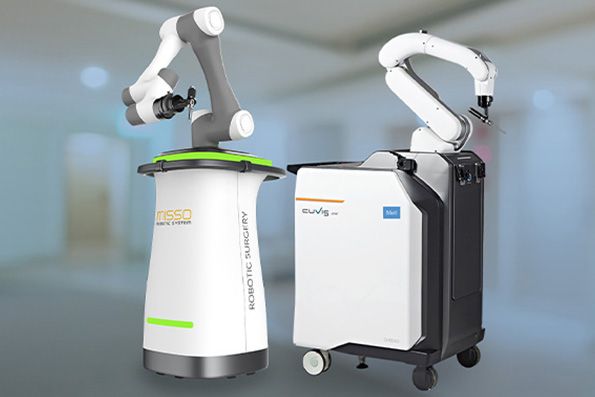
Robotic-assisted surgery: improved accuracy in implant positioning
Next-generation implants: designed to last longer and mimic natural movement more closely
Meril's Knee Implant Systems
Meril offers a range of knee systems designed for improved outcomes:
FREEDOM Total Knee System: built with advanced design engineering, addressing the physiological and lifestyle needs of modern patients with minimal bone cutting. CE-certified and USFDA-approved.
Opulent™ Total Knee System: consists of separately packed femoral, tibial, and patellar components designed to restore the knee joint's natural articular surface, with a biocompatible TiNbN coating.
DESTIKNEE: built on the FREEDOM model and made in India, offering optimal high-flexion motion with minimal bone cutting. CE-certified and USFDA-approved.
Conclusion
Knee replacement is a highly effective way to relieve severe knee pain and disability caused by arthritis or injury. Whether it's total or partial, modern implants and techniques — like Meril's FREEDOM, Opulent, and DestiKnee systems — make it a safe, well-established option. Before you decide, it's worth clearing up common misconcetions on knee replacement. If you're considering this surgery, consult an orthopaedic surgeon to explore the best path for your needs.