


















Common Non-Vector-Borne Diseases During Monsoon and Prevention
Introduction
Not every monsoon illness comes from a mosquito bite. A huge share of seasonal sickness in India comes from something far more ordinary: contaminated water and food.
The Ministry of Health and Family Welfare notes that nearly 70% of all disease outbreaks reported in India are waterborne.[1] That's a bigger number than most people expect.
This blog walks you through the common illnesses that spike every monsoon, and the simple habits that keep your family safe from them.
What Are Non-Vector-Borne Diseases?
These are illnesses that spread directly, through contaminated water, food, surfaces, or close contact, without needing an insect to carry them. Unlike dengue or malaria, you don't need a mosquito bite to catch these; a glass of unsafe water is enough.
Why Monsoon Increases the Spread of Non-Vector-Borne Infections?
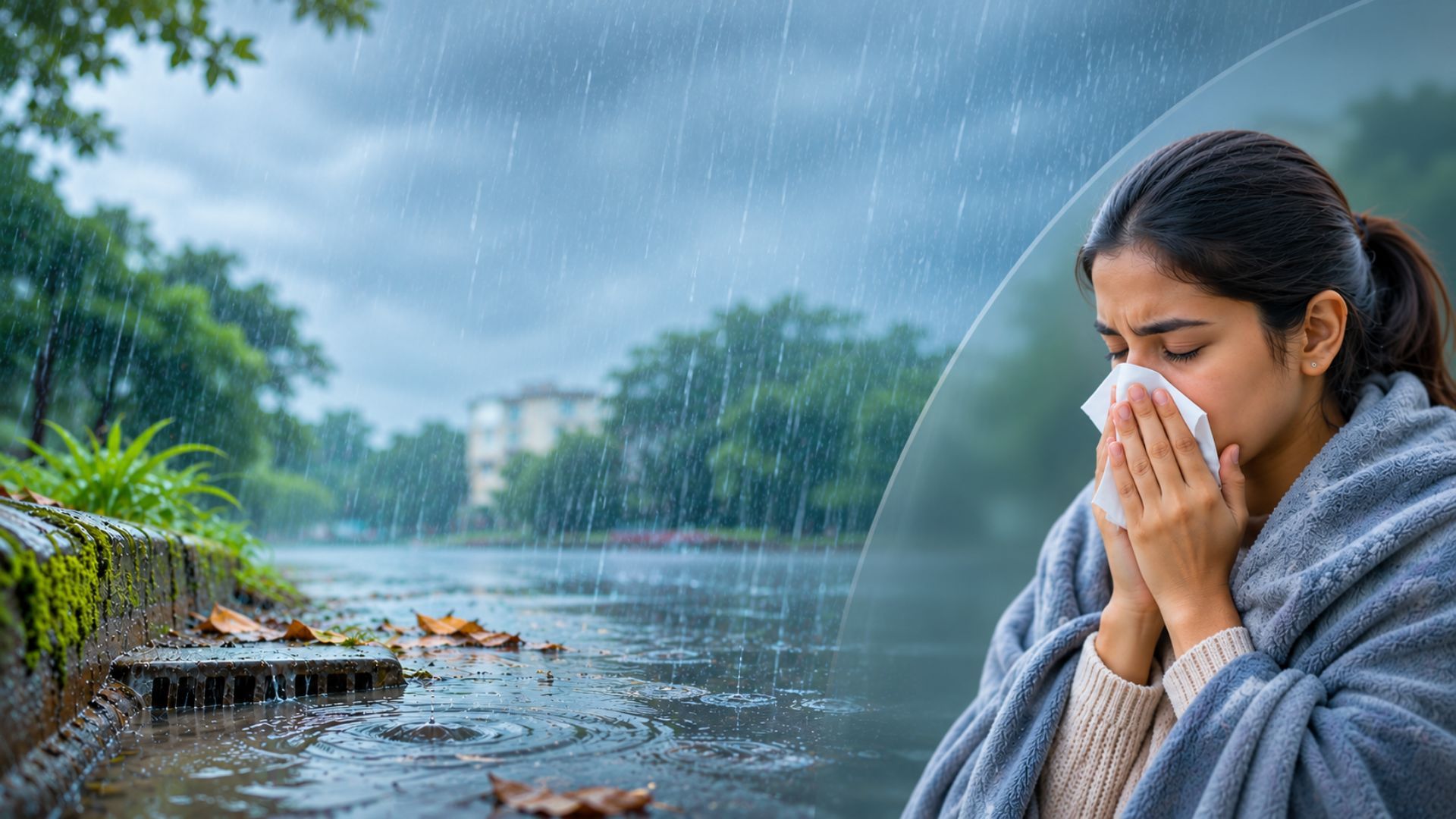
The monsoon reveals how effectively a community protects drinking water, manages waste, and identifies infections before they spread.
The risk can begin in several ways:
Floodwaters mix with sewage, contaminating drinking water sources.
Insufficient drainage leaves bacteria and viruses in puddles.
Moisture helps bacteria and fungi multiply faster on food and surfaces.
Even small temperature shifts matter here. A 1°C rise in temperature has been linked to a 5-10% increase in the risk of Salmonella infection, highlighting how sensitive these pathogens are to weather changes.[1]
Common Waterborne Diseases during the Monsoon
A leaking pipeline, a contaminated storage tank, or an uncovered household container may be enough to expose several people.
Important monsoon-related infections include:
Cholera – A life-threatening illness characterised by severe diarrhoea caused by Vibrio cholerae bacteria. It is still a major cause of concern in developing countries[2]
Typhoid fever – A prolonged fever caused by Salmonella typhi in contaminated water
Hepatitis A – A virus that affects the liver and causes yellowing of the eyes and lethargy.
These diseases may appear clinically different, but they often point towards the same underlying failures: unsafe water, inadequate sanitation and delayed diagnosis.
Common Foodborne Diseases during the Monsoon
Monsoon food safety is often reduced to the advice, “avoid street food.” That is too narrow. Contamination can also occur in home kitchens, restaurants, workplaces and packaged-food supply chains. The risk increases, causing diseases like:
Acute gastroenteritis usually refers to inflammation of the stomach and intestines, causing vomiting, abdominal cramps and loose stools.
Food poisoning is caused by contaminated food, including contamination by bacteria such as some strains of E. coli and Salmonella.
Acute diarrhoeal disease is another broad category used when frequent loose stools develop suddenly, sometimes with vomiting, fever or abdominal pain.
Respiratory and Other Infections That Become More Common During the Rainy Season
Not every rainy-season infection begins with contaminated food or water. Changes in daily routines, crowding and prolonged dampness can make some other conditions harder to prevent or control.
Common cold and influenza: Rain does not directly cause these viral infections. However, spending more time in crowded indoor spaces may increase close contact and support respiratory transmission.
Fungal skin infections: Damp clothes, wet footwear, sweating and poorly dried skin can create favourable conditions for fungal growth, particularly between the toes, in skin folds and around the groin.
Conjunctivitis: Some forms of conjunctivitis can spread through direct contact, contaminated hands or shared personal items such as towels. Touching the eyes with unwashed hands may increase the risk.
Skin and wound infections: Cuts exposed to contaminated water may become infected, particularly when wounds are not cleaned and covered promptly.
These illnesses should not all be attributed to humidity alone. The more relevant factors are exposure, hygiene, crowding and how quickly early symptoms are addressed.
Simple Everyday Habits That Help Prevent Monsoon Infections
Personal precautions are important, but lasting prevention cannot depend solely on households. Safer monsoons require action at home, within communities and across civic and healthcare systems. For starters, you can:
Drink only boiled, filtered, or sealed bottled water.
Wash your hands before you eat food
Avoid street food and cut fruits during heavy rain spells.
Wash hands with soap before and after using the washroom.
Avoid walking barefoot through waterlogged streets.
Keep any cuts or wounds covered when wading through floodwater.
Within the community
Report sewage leaks, overflowing drains and damaged water pipes.
Avoid dumping waste into drains or water channels.
Keep shared water-storage areas clean and covered.
Share verified health information rather than unconfirmed remedies.
Check on older adults, children, and people who may have difficulty accessing safe water or medical care.
When Should You Seek Medical Care?
Home remedies work for mild symptoms, but there are certain warning signs that indicate it's time to stop waiting and see a doctor. Watch out for:
Diarrhoea or vomiting that lasts more than two days
Blood or mucus in the stool
High fever that does not get better after regular medicine
Yellowing of the eyes or skin
Signs of being dehydrated, such as reduced urination, dry mouth, or dizziness
Severe stomach pain or persistent nausea
Unusual confusion, drowsiness, or extreme weakness
Any of these symptoms appearing in infants, elderly people, or pregnant women
These signs call for quick diagnosis and proper treatment, not home remedies alone.
Conclusion
The monsoon will return every year. Contaminated drinking water, unsafe food, and delayed diagnosis should not be accepted as inevitable parts of the season.
Household precautions such as treating water, washing hands and storing food correctly remain essential. But they represent only one layer of prevention. Safe water systems, functional drainage, responsible waste management, disease surveillance, and timely access to healthcare are equally important.
Recurring monsoon infections should be treated as signals. They show where protection has failed and where action is needed before the next period of heavy rainfall.
The real measure of monsoon preparedness is not how quickly an outbreak is managed after it begins. It is how effectively exposure is prevented in the first place.