A Complete Guide to TAVR: The Procedure, Benefits, and How to Prepare
Introduction
Heart problems can feel scary, but modern medicine has made treatments much safer and easier. One such procedure is TAVI/TAVR (Transcatheter Aortic Valve Implantation/Replacement). It is a less complicated way to replace a damaged heart valve without open-heart surgery.[1] You may have many questions if your doctor has suggested TAVI/TAVR for you or a loved one.
This guide will explain what it is, how it works, its benefits, and how to prepare for the procedure in the simplest way possible.
What Is TAVR?
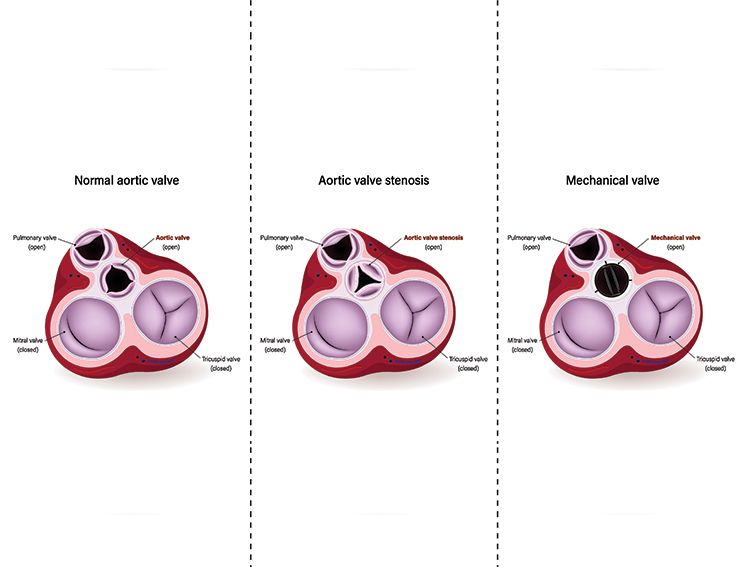
Transcatheter Aortic Valve Replacement (TAVR) is a medical procedure that replaces a damaged Heart valve without needing open-heart surgery. The aortic valve acts like a door, allowing blood to flow from the Heart to the rest of the body. The Heart struggles to pump blood effectively when this valve narrows due to aortic stenosis. This can cause serious health problems, but TAVR helps by placing a new valve inside the old one, allowing blood to flow smoothly again.
How It Works as a Minimally Invasive Heart Valve Replacement
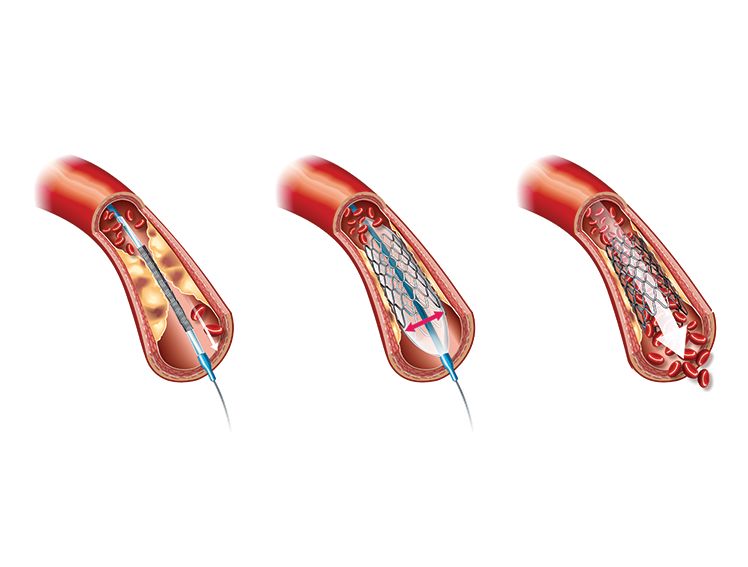
Unlike open-heart surgery, TAVR is a simpler and less invasive procedure. Doctors use a thin, flexible tube called a catheter to guide a new valve into place. Instead of removing the old, damaged valve, the new one is placed inside. This is done through a small cut, usually in the leg, so there's no need for a big chest incision. This makes the procedure easier on the body and helps patients recover faster.[2]
How It Differs from Traditional Open-Heart Surgery
No large chest incision – Instead of cutting open the chest, a catheter is used to place the new valve.
Faster recovery – Since it is minimally invasive, recovery is much quicker than open-heart surgery.
Lower risk for high-risk patients – It is a safer option for people who may not be strong enough to undergo major surgery.
Who Is Eligible for TAVR?
Doctors recommend TAVR for patients with severe aortic stenosis who may not be suitable for open-heart surgery. Some key factors that determine eligibility include:[3]
Common Conditions That Require TAVR
Severe aortic stenosis (narrowing of the aortic valve)
Difficulty breathing, chest pain, or dizziness due to valve disease
Patients who are at high risk for traditional open-heart surgery owing to age or other medical conditions
How Doctors Decide If a Patient Qualifies
Before recommending TAVR, doctors conduct various tests, such as:
Echocardiogram – Evaluates heart function and the severity of valve narrowing.
CT scan and angiogram – Help doctors see the blood vessels and Heart structure.
General health assessment – Determines whether the patient is sufficiently healthy to undergo the procedure.
How the TAVR Procedure Works
On the day of the procedure, the patient receives conscious sedation to help them remain relaxed or asleep. The doctor makes a small cut, usually in the groin, and inserts a thin tube called a catheter. This tube carries the new valve to the Heart. Once it reaches the damaged valve, the new one is inserted and starts working immediately. The doctor then removes the tube and closes the small cut.
Benefits of TAVR over Traditional Valve Replacement
Less invasive – No need for open-heart surgery.
Shorter hospital stay – Many patients go home within a few days.
Faster recovery – Patients often return to normal activities within a few weeks.
Lower risks – Reduced complications for high-risk individuals.
Potential Risks and Considerations
While TAVR is generally safe, as with any medical procedure, there are some risks:[4]
Possible bleeding or infection at the catheter site
Irregular heartbeat
Need for a pacemaker in some cases
However, doctors carefully assess patients before recommending the procedure to minimize these risks.
What to Expect on the Day of the Procedure
You may need to avoid eating or drinking for several hours before the procedure.
Doctors will monitor your Heart and give you medication to help you relax.
The procedure usually takes 1-2 hours.
Afterwards, you will be taken to a recovery area for observation.
Recovery after TAVR
Most patients stay in the hospital for 2-3 days.[5]
You may feel some fatigue or soreness, but it improves within a few days.
Regular follow-ups are needed to monitor Heart function.
Doctors may recommend light physical activity and a heart-healthy diet to support recovery.
Myval THV by Meril Life
The Myval Transcatheter Heart Valve (THV) is a special Heart valve designed by Meril Life Sciences to help people with severe aortic stenosis. In this condition, the heart valve becomes too narrow, making blood flow more difficult. Instead of open-heart surgery, doctors use a simple, less invasive method called TAVR to place this new valve within the old valve.
The Myval THV is inserted through a thin tube (catheter) using a small cut, usually in the leg. This means patients recover faster and face fewer risks compared to traditional surgery. The valve has been tested in clinical trials and has been shown to be safe and effective, making it a good option for people who cannot undergo major surgery.
Conclusion
TAVI/TAVR is a game-changing procedure for people with severe aortic stenosis. It provides a safer, quicker, and less invasive option than open-heart surgery. If you or a loved one is considering this treatment, speak with a doctor to determine whether it's the right choice. With proper care and preparation, patients can experience better heart health and an improved quality of life.